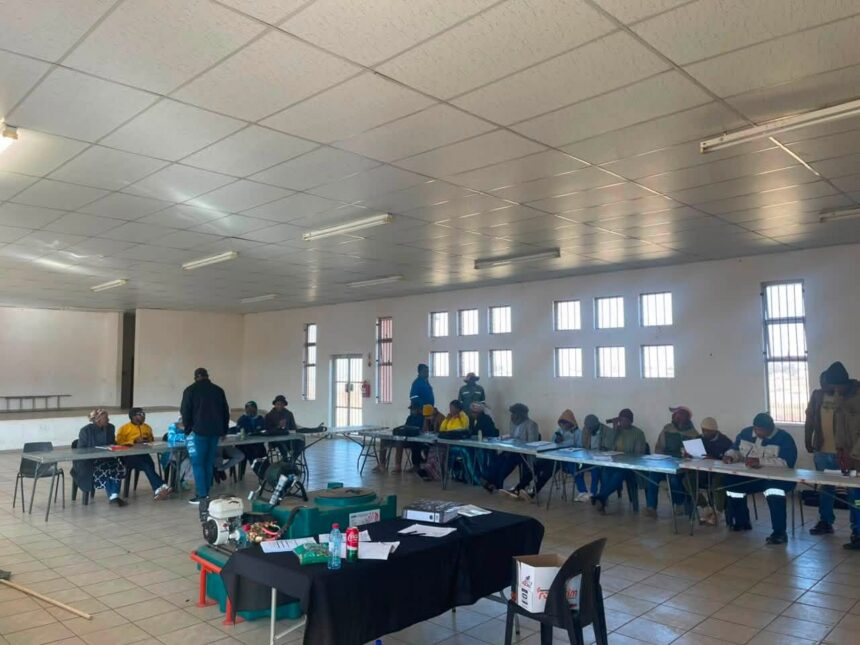
Farmers from the Bojanala and Dr Kenneth Kaunda Districts are receiving essential Basic Fire Training to improve their preparedness and response to veld fires, a growing threat to agricultural production and rural communities. The training initiative is designed to provide farmers with the practical knowledge and skills needed to prevent fires, respond effectively to emergencies and minimize the devastating impact of uncontrolled blazes. Veld fires remain one of the most significant challenges facing South Africa’s agricultural sector, often destroying grazing land, crops, livestock, infrastructure and natural ecosystems within a short period. As climate conditions become increasingly unpredictable and periods of dry weather become more common, fire preparedness has become an essential part of responsible farm management. By investing in practical training, agricultural authorities are helping farmers strengthen their ability to protect their livelihoods while promoting safer and more resilient farming communities.
The Basic Fire Training focuses on equipping farmers with the skills required to identify potential fire hazards before they develop into major emergencies. Participants learn how environmental conditions such as high temperatures, strong winds and dry vegetation increase the risk of veld fires. Understanding these factors allows farmers to monitor changing conditions more effectively and take preventative measures before fires occur. The training also emphasizes the importance of maintaining clean farm boundaries, reducing combustible vegetation and implementing sound land management practices throughout the year. These preventative actions play a critical role in lowering the likelihood of uncontrolled fires while protecting neighboring farms and surrounding communities.
An important component of the programme is teaching farmers how to respond safely and efficiently when veld fires break out. Participants receive practical instruction on the correct use of firefighting equipment, fire suppression techniques and emergency response procedures that can help contain fires before they spread across large areas. They are also taught how to assess fire behavior, identify safe escape routes and prioritize personal safety during emergency situations. Quick and informed decision-making can significantly reduce damage to crops, livestock and farm infrastructure while minimizing risks to human life. By improving emergency response capabilities, the training enables farmers to act with greater confidence when faced with fire-related incidents.
The programme also highlights the importance of cooperation among farmers, neighboring landowners and emergency response agencies. Veld fires rarely remain confined to a single property, making communication and coordinated action essential for successful fire management. Farmers are encouraged to establish relationships with nearby landowners, local fire protection organizations and disaster management teams to improve preparedness before the fire season begins. Sharing information about weather conditions, fire risks and available resources strengthens the collective ability of farming communities to respond effectively during emergencies. This collaborative approach helps reduce the overall impact of veld fires while encouraging a culture of shared responsibility across agricultural regions.
Protecting agricultural resources is another major objective of the Basic Fire Training programme. Veld fires can destroy valuable grazing areas, damage productive farmland and result in significant financial losses for farming businesses. Livestock may be injured or killed, fences and irrigation systems can be destroyed and valuable wildlife habitats may suffer long-term environmental damage. Recovering from a major fire often requires substantial financial investment and many months of rehabilitation before normal farming activities can resume. By equipping farmers with preventative strategies and practical firefighting skills, the programme helps reduce these risks and supports the long-term sustainability of agricultural enterprises.
Beyond protecting physical assets, the training contributes to building stronger and more resilient farming communities. Farmers who understand fire prevention and emergency response are better positioned to protect not only their own properties but also the wider rural communities in which they operate. Knowledge gained during the training can be shared with farm workers, neighboring producers and community members, creating greater awareness of fire safety across the region. This transfer of knowledge strengthens local preparedness while encouraging more people to participate in responsible land management practices. Well-informed farming communities are more capable of responding collectively to emergencies and recovering more quickly after fire-related incidents.
The initiative also reflects the growing recognition that education is one of the most effective tools for reducing the impact of natural disasters on agriculture. While firefighting equipment and emergency services remain essential, prevention through knowledge and planning offers the greatest opportunity to reduce losses before they occur. Training programmes encourage farmers to adopt proactive approaches to risk management instead of relying solely on emergency responses after fires have already started. This shift toward prevention supports both environmental conservation and agricultural productivity while helping farmers adapt to changing climatic conditions. Continued investment in farmer education will remain vital as the agricultural sector faces increasing environmental challenges in the years ahead.
The Basic Fire Training being provided to farmers in the Bojanala and Dr Kenneth Kaunda Districts represents an important investment in the future of South African agriculture. By equipping farmers with practical skills to prevent and manage veld fires, the programme strengthens their ability to protect lives, preserve agricultural resources and safeguard rural livelihoods. The knowledge gained through this initiative will help participants reduce fire risks, improve emergency preparedness and contribute to safer farming environments throughout their communities. As farmers apply these skills on their own properties and share them with others, the benefits of the training will extend well beyond the classroom. Through continued education, collaboration and proactive fire management, farming communities will be better prepared to face the challenges of future fire seasons while building a more resilient and sustainable agricultural sector.
Join 'Farmers Mag' WhatsApp Channel
Get the latest Farming news and tips delivered straight to your WhatsApp
CLICK HERE TO JOIN