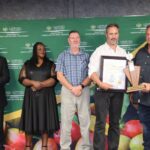
The fight against Foot-and-Mouth Disease (FMD) remains a critical priority for South Africa’s livestock industry, particularly in areas where cattle farming plays an important role in local economic development and food security. In a continued effort to safeguard animal health and support farmers, the Dihlabeng Local Municipality Agriculture Section, in partnership with the Free State Department of Agriculture and Rural Development (DARD): Animal Health Services, recently visited Baroon Farm to advance the ongoing Foot-and-Mouth Disease vaccination campaign. The initiative forms part of a broader strategy aimed at controlling and preventing the spread of one of the most contagious viral diseases affecting livestock. By working closely with livestock owners and farming communities, authorities are reinforcing the importance of disease prevention and responsible animal management. The campaign highlights the commitment of both local and provincial agricultural authorities to protecting the sustainability of the livestock sector and supporting rural livelihoods.
Foot-and-Mouth Disease is a highly infectious viral disease that affects cloven-hoofed animals such as cattle, sheep, goats, and pigs. Although the disease does not generally pose a direct threat to human health, it can have devastating consequences for livestock production and agricultural economies. Infected animals often experience fever, loss of appetite, reduced productivity, and painful lesions that can severely affect their ability to feed and move. These impacts can result in lower meat and milk production, reduced market value of animals, and significant financial losses for farmers. In severe outbreaks, movement restrictions and trade limitations can further affect agricultural businesses, making disease prevention an essential aspect of livestock management.
The vaccination campaign at Baroon Farm forms part of ongoing efforts to reduce the risk of FMD outbreaks by building herd immunity among cattle populations. Herd immunity occurs when a large percentage of animals within a population are protected against a disease, reducing the likelihood of transmission and limiting the spread of infection. Vaccination remains one of the most effective tools available to animal health authorities in managing Foot-and-Mouth Disease and protecting vulnerable livestock. By ensuring that cattle receive the necessary vaccinations, agricultural officials help create stronger and healthier herds that are better equipped to withstand disease threats. This proactive approach not only protects individual animals but also benefits entire farming communities and the broader agricultural sector.
An important component of the vaccination process involves the ear-marking of all vaccinated livestock. Ear-marking serves several practical purposes that contribute to the success of the campaign. It allows animal health officials to easily identify vaccinated animals, maintain accurate records, and monitor vaccination coverage across affected areas. Proper identification also supports disease surveillance efforts by making it easier to track animals and verify their vaccination status when necessary. Effective record-keeping is essential for evaluating the progress of vaccination campaigns and ensuring that no eligible livestock are overlooked during future rounds of disease prevention activities.
The collaboration between the Dihlabeng Local Municipality Agriculture Section and the Free State Department of Agriculture and Rural Development demonstrates the value of coordinated efforts in addressing animal health challenges. Successful disease control requires cooperation among government departments, veterinary professionals, agricultural extension officers, and livestock owners. By working together, these stakeholders can respond more effectively to potential disease risks and implement measures that protect both animal welfare and agricultural productivity. The partnership also reflects a shared commitment to supporting farmers and strengthening the resilience of the livestock industry in the Free State and beyond. Such initiatives are particularly important in rural communities where livestock farming contributes significantly to household incomes and local economic activity.
Farmers play a crucial role in the success of the Foot-and-Mouth Disease vaccination programme. Livestock owners are encouraged to present their animals for vaccination whenever campaigns are conducted in their areas. Participation helps ensure that the highest possible number of animals are protected, reducing opportunities for the virus to spread. Farmers are also advised to maintain accurate and up-to-date livestock records, which support effective disease monitoring and management. Reliable records help authorities respond quickly to potential outbreaks and provide valuable information for ongoing animal health programmes.
Agricultural authorities have also reminded farmers that the FMD vaccine is provided free of charge and is not available for sale. This important message aims to prevent misinformation and ensure that livestock owners access vaccination services through the appropriate official channels. Free vaccination programmes help remove financial barriers that could otherwise prevent farmers from protecting their animals against serious diseases. By making vaccines accessible to all livestock owners, government agencies help promote wider participation and improve overall disease control outcomes. The availability of free vaccination services reflects ongoing efforts to support the agricultural sector and protect valuable livestock assets.
Compliance with livestock movement control measures remains another critical aspect of preventing the spread of Foot-and-Mouth Disease. Movement restrictions are often implemented to reduce the risk of infected animals carrying the virus to new locations. Farmers are encouraged to follow all regulations regarding animal transport, sales, and movement permits. These measures help authorities contain potential outbreaks and protect disease-free areas from infection. Adherence to movement controls, combined with widespread vaccination, creates a stronger defense against the spread of the virus and supports long-term disease management objectives.
The recent visit to Baroon Farm highlights the ongoing dedication of agricultural authorities to protecting livestock health and strengthening disease prevention efforts across the region. Through vaccination, animal identification, record-keeping, and farmer cooperation, the campaign is helping to build stronger herds and reduce the risks associated with Foot-and-Mouth Disease. The initiative also demonstrates the importance of collaboration between government agencies and farming communities in safeguarding agricultural livelihoods. As the campaign continues, livestock owners are encouraged to take advantage of the free vaccination programme and comply with all disease control measures. These collective efforts will play a key role in maintaining healthy livestock populations, protecting rural economies, and ensuring the long-term sustainability of South Africa’s livestock sector.
Join 'Farmers Mag' WhatsApp Channel
Get the latest Farming news and tips delivered straight to your WhatsApp
CLICK HERE TO JOIN