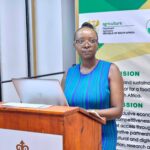
The MEC for the KwaZulu-Natal Department of Agriculture and Rural Development, Mrs Thembeni kaMadlopha-Mthethwa, has officially brought the two-day Extension and Advisory Services Summit to a close, delivering a strong message focused on putting farmers at the heart of agricultural development. Addressing frontline extension practitioners at the Inkosi Albert Luthuli International Convention Centre in Durban, the MEC emphasized the importance of ensuring that every programme, policy, and intervention directly improves the lives of farmers. Her remarks highlighted the critical role extension officers play in supporting agricultural growth, strengthening food security, and empowering rural communities throughout the province. The summit served as an important platform for discussions on the future of agricultural advisory services and the challenges facing farmers in KwaZulu-Natal. Delegates left the gathering with a renewed sense of purpose and a commitment to implementing practical solutions that will benefit farming communities.
The Extension and Advisory Services Summit brought together a diverse group of stakeholders, including extension practitioners, agricultural experts, researchers, industry partners, government officials, and farmers. Over the course of two days, participants engaged in discussions aimed at strengthening advisory services and improving support systems for communal and emerging farmers. The event provided an opportunity to share experiences, identify challenges, and explore innovative approaches that can help increase agricultural productivity and sustainability. As agriculture continues to play a crucial role in the provincial economy, the summit focused on ensuring that farmers receive the guidance and support they need to succeed in a rapidly changing environment. Participants also examined the impact of climate change, technological advancements, and evolving market demands on the agricultural sector.
A key theme throughout the summit was the importance of keeping farmers at the centre of all agricultural initiatives. During her closing address, MEC kaMadlopha-Mthethwa reminded extension practitioners that their work must always be measured by the impact it has on farmers’ lives. She stressed that every plan, programme, and farm visit should be guided by a simple but powerful question: whether it improves the life of the farmer. According to the MEC, any initiative that fails to achieve this objective should be reconsidered. This farmer-focused approach reflects the department’s commitment to ensuring that agricultural development remains relevant, practical, and responsive to the needs of those working on the land every day.
The MEC also paid tribute to the dedication and hard work of extension practitioners across the province. She acknowledged that extension officers serve as a critical link between research institutions, government programmes, and farming communities. Their role goes far beyond providing technical advice. They are often the first people farmers turn to when facing production challenges, disease outbreaks, climate-related disruptions, or market uncertainties. By walking alongside farmers and understanding their day-to-day realities, extension practitioners help ensure that valuable knowledge and innovations reach those who need them most. The MEC noted that without strong extension services, many research findings and development opportunities would remain inaccessible to farmers.
One of the most significant outcomes of the summit was the adoption of several resolutions aimed at strengthening agricultural support systems and improving service delivery. Delegates agreed that the National Department should consider reconfiguring the Comprehensive Agricultural Support Programme, commonly known as CASP, and other grant funding mechanisms to better serve rural populations, particularly communal farmers. This recommendation reflects concerns that many small-scale and communal farmers continue to face barriers in accessing funding and development opportunities. Participants emphasized the need for support programmes that are designed to address the unique circumstances of rural communities and enable farmers to expand their operations. Improved access to resources is expected to contribute significantly to food production, job creation, and rural economic development.
Another important resolution focused on youth development within the agricultural sector. Delegates agreed that the department should develop programmes that encourage greater youth participation throughout the agricultural value chain while taking advantage of modern technology and innovation. Agriculture is increasingly becoming a technology-driven industry, and young people are viewed as essential contributors to its future growth and sustainability. By creating opportunities for skills development, entrepreneurship, and innovation, the sector can attract a new generation of farmers and agribusiness professionals. Participants highlighted the need to make agriculture more appealing and accessible to young people, particularly in rural areas where unemployment remains a major challenge.
Climate resilience and sustainable farming practices also featured prominently among the summit’s resolutions. Extension practitioners were encouraged to take a leading role in promoting sustainable agricultural methods that can help farmers cope with increasingly harsh climatic conditions. Across South Africa, farmers are facing challenges such as prolonged droughts, unpredictable rainfall patterns, extreme weather events, and rising temperatures. Delegates agreed that extension officers have a responsibility to guide farmers in adopting climate-smart agricultural practices that protect natural resources while maintaining productivity. These efforts are expected to strengthen food security and improve the long-term sustainability of farming operations across the province.
The summit further recommended that plans be considered to increase the number of extension practitioners, with a long-term goal of having one extension practitioner per ward, subject to budget availability. This proposal recognizes the growing demand for agricultural advisory services and the challenges faced by extension officers who often cover large geographic areas and numerous farming communities. Increasing the number of practitioners would improve accessibility, enhance service delivery, and allow for more frequent engagement with farmers. Delegates noted that stronger support at the local level could significantly improve the effectiveness of agricultural development programmes and ensure that farmers receive timely assistance when needed.
Another major area of focus was the need for ongoing training and professional development for agricultural advisors. Participants agreed that there is a growing need to re-skill extension practitioners and equip them with the knowledge and tools required to operate in an increasingly digital agricultural environment. Modern farming relies heavily on technology, data analysis, precision agriculture, and digital communication platforms. As a result, extension officers must continuously update their skills to provide relevant and effective support. The summit emphasized that investing in the professional development of extension practitioners is essential for improving service delivery and ensuring that farmers can benefit from the latest innovations and best practices.
The closing of the Extension and Advisory Services Summit marked an important milestone in the ongoing effort to strengthen agricultural development in KwaZulu-Natal. Through meaningful discussions, practical recommendations, and a shared commitment to supporting farmers, delegates laid the foundation for future improvements in extension and advisory services. MEC Thembeni kaMadlopha-Mthethwa’s call to place farmers at the centre of every decision resonated strongly throughout the gathering and provided a clear direction for the work ahead. As extension practitioners return to their communities, they carry with them a renewed responsibility to support farmers, promote innovation, and drive sustainable agricultural growth. The successful implementation of the summit’s resolutions has the potential to improve livelihoods, strengthen food security, and contribute to a more resilient and prosperous agricultural sector across KwaZulu-Natal.
Join 'Farmers Mag' WhatsApp Channel
Get the latest Farming news and tips delivered straight to your WhatsApp
CLICK HERE TO JOIN