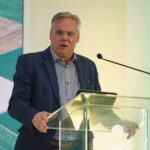
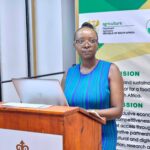
The Gauteng Department of Agriculture and Rural Development (GDARD), in partnership with the City of Tshwane, hosted an impactful Vegetable Study Group session at the Temba Agric Boardroom in Hammanskraal, focused on strengthening the skills and knowledge of local vegetable farmers. The session formed part of ongoing efforts to support smallholder farmers with practical agricultural tools that improve productivity and sustainability. It brought together extension officers, technical experts and growers who are actively involved in vegetable production across the region. The event highlighted the importance of continuous learning in agriculture, especially as farmers face challenges such as pests, climate variability and market access. By creating a shared learning platform, GDARD and the City of Tshwane reinforced their commitment to building a stronger and more resilient agricultural community.
A key focus of the session was Integrated Pest Management (IPM) for vegetables, presented by GDARD experts Dr. Kgatle and Mr. Ramusi. The training provided farmers with essential knowledge on how to manage pests in a more sustainable and cost effective way. IPM encourages the use of multiple strategies such as biological control, cultural practices and careful monitoring rather than relying only on chemical pesticides. This approach helps farmers reduce input costs while protecting crop health and maintaining environmental safety. Participants gained practical insights into identifying pest problems early and applying appropriate control methods that reduce crop losses and improve yields.
The IPM training also emphasised the importance of informed decision making in vegetable production. Farmers were shown how regular field monitoring can help detect pest infestations before they become severe, allowing for timely intervention. The session also addressed common challenges faced by smallholder farmers, including resistance to pesticides and the need for safer alternatives. By adopting IPM practices, farmers can improve the quality of their produce while ensuring long term soil and ecosystem health. This knowledge is particularly important in Hammanskraal, where vegetable farming plays a key role in household income and local food supply.
Another major highlight of the session was the presentation on the Smallholder Horticulture Empowerment and Promotion (SHEP) approach by Ms. Seome. SHEP is designed to shift farmers from a production focused mindset to a more market oriented approach. It encourages farmers to think about demand, pricing and consumer preferences before planting crops. This approach helps reduce losses caused by oversupply and poor market planning. By linking production decisions to market needs, farmers are better positioned to generate sustainable income from their agricultural activities.
The SHEP model also promotes group work among farmers to improve bargaining power and market access. When farmers organise themselves into groups, they can negotiate better prices, share resources and access larger markets more effectively. The approach also focuses on capacity building, ensuring that farmers gain both technical and business skills needed to run successful agricultural enterprises. Ms. Seome highlighted that this shift is essential for transforming smallholder farming into viable agribusinesses. The emphasis on market intelligence and collaboration was received as a practical solution to many of the challenges faced by local growers.
The Vegetable Study Group session in Hammanskraal demonstrated the value of combining technical training with business oriented agricultural development. Through IPM and SHEP, GDARD and the City of Tshwane are equipping farmers with the tools needed to improve productivity, reduce risks and access better markets. The session reinforced the idea that agriculture is not only about production but also about strategy, planning and sustainability. Farmers left with practical knowledge that can immediately improve their operations and long term profitability. The collaboration between government and local farming communities continues to play a vital role in strengthening food systems and supporting rural economic growth in Gauteng.
Join 'Farmers Mag' WhatsApp Channel
Get the latest Farming news and tips delivered straight to your WhatsApp
CLICK HERE TO JOIN