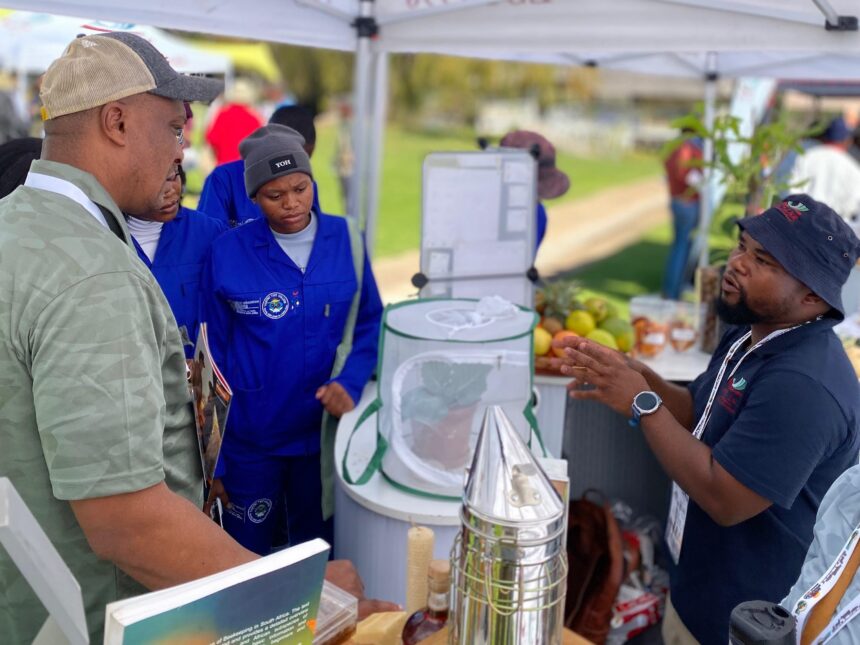
The Agricultural Research Council (ARC) has taken a strong role in advancing sustainable farming practices through its participation in the North West African Farmers Association of South Africa (NWAFASA) Annual Provincial Farmers’ Day and Annual General Meeting. The event is being held from 27 to 30 May 2026 at Stonehenge in the Dr Kenneth Kaunda District in the North West Province. It brings together more than 200 farmers, agricultural experts and sector stakeholders who are focused on improving farming systems and strengthening rural economies. The gathering serves as a platform for knowledge sharing, networking and showcasing practical solutions that can be applied directly on farms. The ARC’s involvement highlights its ongoing commitment to supporting emerging farmers with science-based agricultural innovations.
At the centre of the ARC’s participation is its focus on climate-smart and sustainable crop production strategies. These approaches are designed to help farmers improve productivity while adapting to the growing challenges of climate change. The ARC presented research-based solutions that address issues such as soil degradation, water scarcity and unpredictable weather patterns. Exhibitions and presentations were used to demonstrate practical techniques that farmers can adopt in their daily operations. These included improved planting methods, better soil management practices and more efficient water use systems. The goal is to ensure that farmers not only produce more but also maintain the long-term health of their land.
The event plays an important role in connecting farmers with scientific institutions and agricultural support organisations. By bringing together over 200 participants, NWAFASA creates a space where farmers can directly engage with experts and policymakers. This interaction allows for the exchange of knowledge between research institutions like the ARC and farmers who work on the ground. Many emerging farmers face challenges related to limited access to technology, training and reliable production methods. Events like this help bridge that gap by making agricultural research more accessible and practical. The focus is on transforming ideas into solutions that can improve yields and strengthen rural livelihoods.
The ARC’s presentations also emphasized resilience in farming systems, particularly in response to climate variability. Farmers were introduced to strategies that reduce risk and improve stability in production cycles. These include crop diversification, conservation agriculture and the use of drought-tolerant crop varieties. The ARC also highlighted the importance of monitoring soil health and using data-driven farming practices to guide decisions. These methods are designed to help farmers reduce losses during extreme weather conditions and maintain consistent output. The emphasis on resilience reflects the growing need for agriculture that can withstand environmental pressures.
NWAFASA’s Annual Provincial Farmers’ Day and AGM also serves as a platform for discussing broader agricultural transformation in the region. Stakeholders at the event are focused on building a more inclusive agricultural sector that supports small-scale and emerging farmers. The discussions highlight the need for improved access to markets, funding and technical support. The presence of organisations like the ARC strengthens these conversations by providing evidence-based solutions and research support. The collaboration between research institutions and farmer associations is seen as essential for long-term sector growth. It also helps ensure that development efforts are aligned with real needs in farming communities.
A key outcome of the ARC’s involvement is its continued partnership with NWAFASA in supporting rural development and economic empowerment. Both organisations share a commitment to reducing poverty and creating job opportunities through agriculture. By improving farming systems and supporting value chain development, they aim to increase income opportunities for farmers at different levels of production. This includes not only crop production but also processing, packaging and distribution. Strengthening agricultural value chains helps ensure that farmers benefit beyond the farm gate. It also contributes to local economic development in rural areas.
The ARC reaffirmed its commitment to working closely with farmers to ensure that scientific research translates into practical impact. Many smallholder farmers face barriers when trying to adopt new technologies or methods, and ongoing support is necessary to make adoption successful. Through continuous engagement, training and demonstration projects, the ARC aims to make innovation more accessible. Farmers who attend such events gain exposure to tools and techniques that can improve both productivity and sustainability. This practical approach is essential for building a more competitive and resilient agricultural sector in South Africa.
The NWAFASA Farmers’ Day and AGM continues to play a vital role in strengthening collaboration within the agricultural sector in the North West Province. The participation of the ARC adds value by bringing scientific expertise into direct conversation with farming communities. This partnership supports the broader goals of transformation, development and sustainable growth in agriculture. It also reinforces the importance of aligning research institutions with grassroots farming needs. The event reflects a shared vision of building a stronger, more resilient agricultural sector that supports food security, job creation and long-term rural development.
Join 'Farmers Mag' WhatsApp Channel
Get the latest Farming news and tips delivered straight to your WhatsApp
CLICK HERE TO JOIN