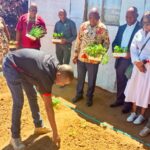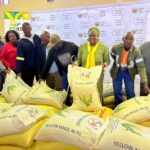

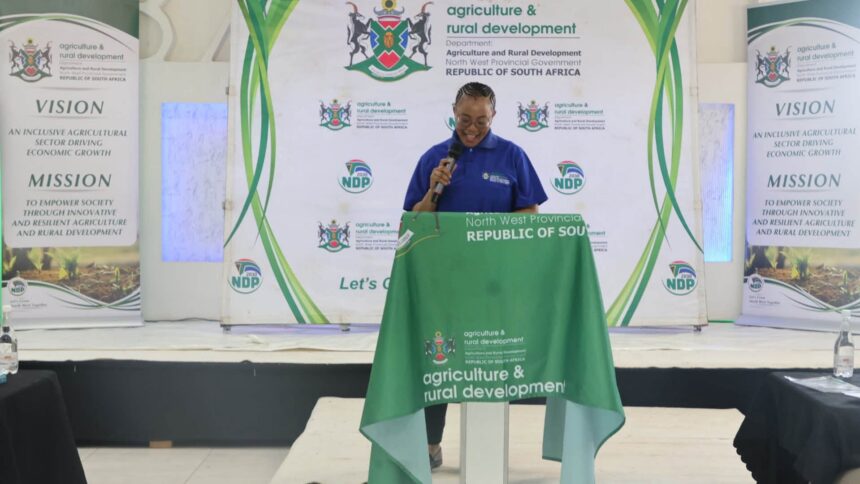
Farmers in the North West Province need practical, timely and reliable agricultural advice to improve production, manage risks and make better use of available resources. This is the focus of the Ngaka Modiri Molema District Symposium being hosted by the North West Department of Agriculture and Rural Development in Ramotshere Moiloa. Held under the theme, “Improving Agricultural Productivity Towards Food Security for All: The Role of Extension and Advisory Services in the North West Province,” the symposium brings together agricultural stakeholders to look at how farmers can receive stronger support. Extension and advisory services are an important link between agricultural knowledge and what happens in the field, on livestock farms and in farming communities. For farmers, the discussions are relevant because access to the right information at the right time can influence production decisions, costs, yields and the ability to respond to problems.
Extension officers can provide farmers with practical guidance across many areas of agricultural production. Depending on the type of farming operation, this support can include advice on crop production, livestock management, soil preparation, planting, pest and disease control, animal health and the efficient use of agricultural inputs. Farmers can also approach extension services when they need information about changing production conditions or require guidance on implementing recommended farming practices. This support can be particularly useful for smallholder and emerging farmers who may not have regular access to private agricultural consultants or specialised technical services. Strengthening extension services can therefore give more farmers access to knowledge that can help them improve their day-to-day farming decisions.
The symposium provides an opportunity for farmers and other agricultural stakeholders to discuss the challenges affecting production in the district. Farmers understand the conditions on their farms and can provide valuable information about problems involving land, water, inputs, livestock health, crop performance, markets and infrastructure. This practical experience needs to be considered when agricultural support programmes are developed because farming conditions differ from one community to another. An extension service that regularly engages with farmers can identify these challenges and provide advice that is more closely aligned with local conditions. Direct communication can also help farmers understand available government programmes and ensure that concerns from farming communities reach the relevant agricultural structures.
Improving productivity is important for farmers because production costs continue to make efficient farm management essential. Farmers need to make careful decisions about inputs such as seed, fertiliser, feed, crop protection products and veterinary services. Extension officers can assist producers with production planning and help them understand recommended practices that can improve the use of these inputs. Better planning can help farmers avoid unnecessary expenditure while ensuring that important production activities are carried out at the appropriate time. For crop farmers, this can include planning around planting dates, soil preparation and crop protection, while livestock producers can benefit from guidance on animal health, nutrition, breeding and veld management.
The role of extension services becomes even more important when farmers face production risks such as pests, diseases, drought and changing weather conditions. Early access to reliable information can help producers identify problems and take action before losses become more severe. Livestock farmers, for example, need to remain alert to animal diseases and follow veterinary guidance on vaccination, identification, movement and disease prevention. Crop farmers similarly need to monitor their fields for pests, diseases and weeds and respond according to appropriate recommendations. Stronger communication between farmers and agricultural officials can improve the speed at which information reaches farming communities when new agricultural threats emerge.
The symposium also highlights the value of bringing different parts of the agricultural sector together. Farmers, extension officers, researchers, government officials, commodity organisations and other stakeholders each have knowledge that can contribute to better agricultural outcomes. Farmers can share practical experiences from their fields and livestock operations, while technical experts can provide information based on research and agricultural best practice. Stronger collaboration can help identify gaps in farmer support and develop approaches that are realistic for different types of producers. It can also prevent farmers from having to deal with challenges in isolation by creating stronger channels for sharing information and finding solutions.
Food security starts with productive farms and farming households that are able to produce consistently. In the North West, both commercial and smaller-scale farmers contribute to the province’s agricultural output and rural economy. Improving access to extension services can help producers strengthen their farming practices and make better use of land, water, labour, machinery and other resources. Increased productivity can support household food supplies while creating opportunities for farmers to sell surplus production and generate income. Stronger local production can also contribute to more reliable food supplies within communities and support economic activity linked to agriculture.
For the discussions at the symposium to have a lasting impact, farmers will need continued access to extension and advisory support beyond the event itself. Regular farm visits, practical demonstrations, farmer training and timely communication can help turn agricultural knowledge into changes in everyday farming practices. Extension officers also need to understand the production realities faced by farmers so that advice remains practical and relevant. Farmers, in turn, can strengthen the process by raising their concerns, sharing their experiences and making use of available technical support. A stronger relationship between farmers and extension services can help identify problems earlier and improve the delivery of agricultural assistance at community level.
The Ngaka Modiri Molema District Symposium places an important farming issue on the table by examining how better extension and advisory services can contribute to higher agricultural productivity and food security. For farmers, effective extension support is not simply about receiving information, but about having practical guidance that can help improve production, manage risks and use resources more efficiently. Continued collaboration between farmers and agricultural stakeholders will be necessary to address the challenges affecting production across the North West. The lessons and discussions from the symposium can help strengthen the support available to farmers if they are followed by consistent engagement and practical action. Improving the connection between agricultural knowledge and what farmers do on their farms can ultimately help build more productive farming operations and stronger food security across the province.
Join 'Farmers Mag' WhatsApp Channel
Get the latest Farming news and tips delivered straight to your WhatsApp
CLICK HERE TO JOIN