Land ownership and access remain central issues in South Africa, shaping how people live, farm and develop rural economies. Land tenure systems define how land is owned, used and transferred, and they influence agricultural productivity, investment and long-term security for farmers. In South Africa, land tenure is complex because it reflects historical inequalities, modern legal frameworks and traditional systems that continue to operate side by side. Many rural communities depend on land for farming, grazing and settlement, making tenure arrangements critical for livelihoods and food security. Understanding these systems is essential for anyone involved in agriculture, rural planning or land reform discussions. The structure of land ownership directly affects how farmers access credit, invest in infrastructure and build sustainable farming enterprises.
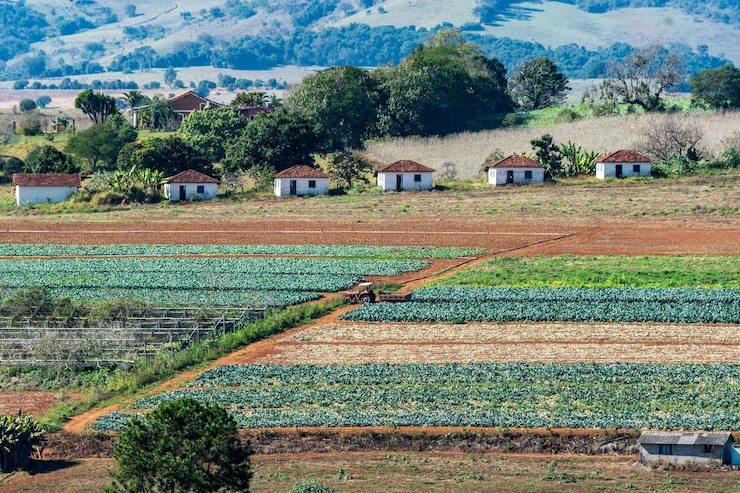
One of the main land tenure systems in South Africa is freehold ownership, where individuals or companies hold full legal rights over land. Under this system, owners can buy, sell, lease or develop land with relatively few restrictions, provided they comply with national laws and zoning regulations. Freehold tenure is common in commercial agriculture, where farmers invest heavily in infrastructure such as irrigation systems, storage facilities and mechanised equipment. This system provides strong security of tenure, which encourages long-term investment and productivity in farming operations. However, access to freehold land remains unequal due to historical dispossession and ongoing land reform challenges. As a result, many aspiring farmers still struggle to enter commercial agriculture due to limited land availability.
Another important system is communal land tenure, which is widely used in rural areas and former homeland regions. In this system, land is collectively owned by communities and managed under traditional leadership structures or local authorities. Individuals and families are allocated land for residential use, cropping or grazing, but they do not hold full ownership rights in the legal sense. This system plays a significant role in supporting subsistence farming and rural livelihoods, particularly in areas where formal land markets are limited. It allows communities to maintain cultural and social ties to ancestral land while ensuring shared access to resources. However, communal tenure can sometimes limit access to credit and investment because land cannot easily be used as collateral in financial systems.
State-owned land is another key category in South Africa’s land tenure framework, where the government holds ownership and manages land on behalf of the public. This type of land is often leased to farmers, businesses or communities for agricultural or development purposes. Lease agreements vary in length and conditions, depending on the intended use of the land and government policy objectives. State land plays an important role in land reform programmes, where previously disadvantaged individuals are granted access to land for farming and development. While this system can improve access to land, long-term security of tenure is sometimes a concern for farmers who require stability for investment decisions. Clear and consistent lease agreements are essential to ensure that state-owned land contributes effectively to agricultural development.
Traditional land tenure systems also remain influential, particularly in rural communities where customary law governs land allocation and use. Under this system, traditional leaders play a central role in distributing land and resolving disputes within their communities. Land is often allocated based on family needs, community membership and local customs rather than formal legal ownership structures. This system provides social cohesion and ensures that land remains within the community across generations. However, it can also create uncertainty for farmers who want to expand operations or secure formal financing. Balancing traditional authority with modern legal frameworks remains a key challenge in land governance across rural South Africa.
Land tenure security is one of the most important factors influencing agricultural investment and productivity. Farmers who feel secure in their land rights are more likely to invest in infrastructure, adopt new technologies and expand production. In contrast, insecure tenure can discourage long-term planning and reduce agricultural efficiency. Access to credit is also closely linked to land tenure systems, as financial institutions often require proof of ownership or long-term lease agreements before approving loans. This means that farmers operating under communal or informal systems may face barriers when trying to grow their businesses. Strengthening tenure security is therefore essential for improving agricultural development and rural economic growth.
Land reform continues to play a major role in addressing historical inequalities in land ownership and improving access for previously disadvantaged groups. Government programmes aim to redistribute land, provide restitution and strengthen tenure rights for vulnerable communities. These reforms are designed to create a more inclusive agricultural sector while promoting economic transformation in rural areas. However, implementation challenges such as funding constraints, administrative delays and infrastructure gaps can slow progress. Effective land reform requires coordination between government, traditional authorities and private stakeholders to ensure that redistributed land is productive and sustainable. Without proper support, land redistribution alone may not lead to successful agricultural outcomes.
The diversity of land tenure systems in South Africa reflects the country’s complex history and socio-economic landscape. Each system plays a different role in supporting agriculture, from large-scale commercial farming under freehold ownership to subsistence farming in communal areas. Together, they form a layered structure that shapes how land is accessed, used and developed. Understanding these systems is essential for policymakers, farmers and investors who want to contribute to a more productive and equitable agricultural sector. Clear land governance, improved tenure security and supportive policies are key to unlocking the full potential of South Africa’s agricultural land.
Land tenure systems remain a defining factor in the success and sustainability of agriculture in South Africa. They influence who has access to land, how it is used and the level of investment it attracts. While freehold ownership supports commercial farming and investment, communal and traditional systems continue to play a vital role in rural livelihoods. State land and land reform programmes add another layer of opportunity and complexity to the landscape. Strengthening land tenure security and improving coordination between different systems will be essential for building a more inclusive and productive agricultural sector. The future of farming in South Africa depends not only on technology and climate adaptation, but also on how effectively land rights are structured, protected and managed for all citizens.
Join 'Farmers Mag' WhatsApp Channel
Get the latest Farming news and tips delivered straight to your WhatsApp
CLICK HERE TO JOIN