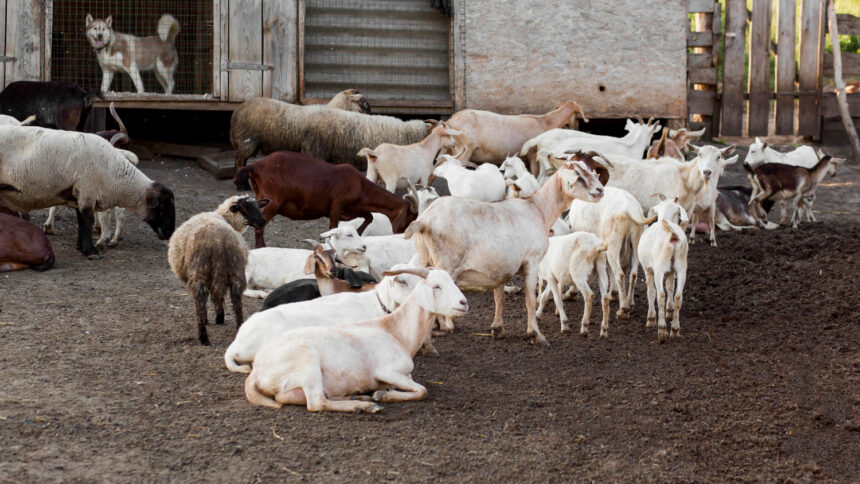
Starting a goat and sheep dairy in South Africa offers a strong opportunity for farmers who want to enter the livestock sector with a focus on high value products. Demand for goat milk, sheep milk and related dairy products continues to grow due to their nutritional benefits and suitability for people with lactose sensitivity. The industry also supports rural development by creating jobs and promoting small scale farming enterprises. South Africa’s diverse climate allows dairy goat and sheep farming in many regions when managed correctly. Success depends on careful planning, animal selection and strong farm management practices.
Before starting, you need to understand the land and climate requirements for dairy production. Goats and sheep can adapt to many environments, but they perform best in areas with moderate temperatures and reliable grazing. You should ensure that your land has good pasture or access to quality feed throughout the year. Water availability is essential because dairy animals require consistent hydration for milk production. You also need secure fencing to protect animals from predators and prevent loss. A well planned farm layout improves efficiency and reduces stress on the animals, which directly impacts milk yield.
Choosing the right breeds is one of the most important decisions in starting a dairy operation. For goats, breeds such as Saanen, Alpine and Toggenburg are commonly used for commercial milk production due to their high yield capacity. For sheep, breeds like East Friesian are known for their strong dairy performance. You should select animals based on productivity, disease resistance and adaptability to local conditions. Buying healthy breeding stock from reputable farmers reduces the risk of disease and improves long term herd performance. Proper breed selection also determines the quality and quantity of milk you can produce.
Feeding and nutrition play a major role in dairy success. Dairy goats and sheep require balanced diets that include forage, concentrates and mineral supplements. You should provide high quality pasture or hay to support rumen health and milk production. Protein rich feed improves milk yield while energy supplements help maintain body condition during lactation. Clean water must always be available because dehydration quickly reduces milk output. Regular monitoring of feed intake ensures animals maintain optimal health and productivity throughout the production cycle.
Milking management is another critical part of running a dairy operation. You need a clean, consistent milking routine to ensure milk quality and animal comfort. Milking should be done at the same times every day to maintain steady production levels. Hygiene is essential, so you must clean udders and equipment before and after milking to prevent contamination. Proper storage of milk at low temperatures helps preserve freshness and prevents bacterial growth. You should also monitor animals for mastitis and other udder infections that can reduce milk quality and production.
Health management is essential for maintaining a productive dairy herd. Regular vaccinations, deworming and veterinary checkups help prevent disease outbreaks. You should observe animals daily for signs of illness such as reduced appetite, swelling or changes in milk production. Good housing conditions reduce stress and protect animals from harsh weather and infections. Biosecurity measures help prevent the spread of disease within the herd and from external sources. Healthy animals produce more milk and have longer productive lifespans, which improves overall farm profitability.
Marketing and value addition are key to turning dairy production into a sustainable business. Goat and sheep milk can be sold directly or processed into cheese, yogurt and specialty dairy products. You should identify local markets, supermarkets or niche buyers who value high quality dairy products. Packaging and branding can increase product value and attract premium prices. Building relationships with buyers ensures consistent demand and stable income. Farmers who focus on value addition often achieve higher profits compared to raw milk sales alone.
Starting a goat and sheep dairy in South Africa requires commitment, planning and strong management skills. Success depends on selecting the right breeds, providing proper nutrition and maintaining strict hygiene standards. Farmers must also focus on animal health, efficient production systems and reliable market access. With growing demand for alternative dairy products, the sector offers strong potential for both small scale and commercial farmers. A well managed dairy operation can provide steady income, create employment opportunities and contribute to food security while supporting rural economic development across the country.
Join 'Farmers Mag' WhatsApp Channel
Get the latest Farming news and tips delivered straight to your WhatsApp
CLICK HERE TO JOIN