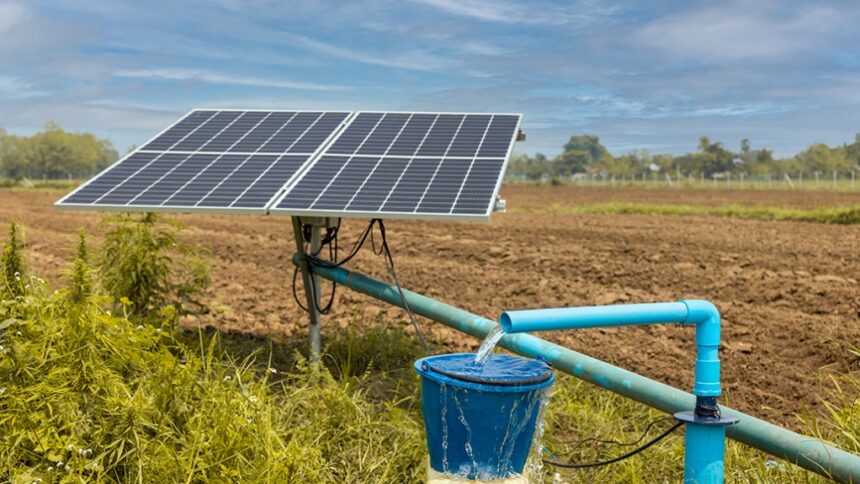
Solar power is changing how farms operate across South Africa. Farmers face rising electricity prices, load shedding, and unstable grid supply, which directly affect irrigation, cold storage, and daily operations. Solar energy offers a practical way to reduce dependence on the grid while improving long term cost control. Many farms now use solar systems to power water pumps, fencing, lighting, and refrigeration units. The shift is not only about saving money but also about keeping production stable during power cuts. This makes solar one of the most important upgrades for modern agriculture in the country.
South African farms benefit strongly from solar because of high solar irradiation levels across most provinces. On average, many farming regions receive between 4.5 and 6.5 kWh per square meter per day, which supports efficient energy generation throughout the year. This allows farms to run irrigation systems during daylight hours without relying on diesel or grid electricity. Solar pumps are especially useful for livestock watering and drip irrigation systems because they reduce fuel costs and maintenance needs. A medium sized irrigation pump that previously relied on diesel can reduce operating costs by up to 60 percent when switched to solar. Over time, this improves cash flow and frees up capital for expansion or inputs.
Farmers also use solar systems to support cold storage and post harvest handling. Refrigeration is critical for dairy, fruit, vegetables, and meat production, where temperature control directly affects product quality and market value. Solar powered cold rooms help reduce spoilage, especially in rural areas where electricity supply is inconsistent. Battery storage systems allow farms to run essential equipment at night or during cloudy days. A typical small farm solar setup with battery backup can range from 5 kW to 20 kW depending on operational needs. While the upfront investment can be high, many farmers recover costs within 3 to 6 years through reduced electricity bills and lower diesel use.
Livestock farms also benefit from solar installations in practical ways. Electric fencing systems powered by solar units improve security and reduce losses from theft or predator attacks. Lighting systems powered by solar panels improve safety and allow farm operations to continue early in the morning or late in the evening. Water pumping remains one of the biggest advantages, especially in remote areas where grid connections are weak or expensive to install. Solar borehole pumps can operate directly during sunny hours and store water in tanks for continuous supply. This creates a reliable system that reduces manual labour and improves herd management.
The financial case for solar power continues to strengthen as electricity tariffs increase in South Africa. Farmers who install solar systems reduce exposure to unpredictable price hikes and avoid production losses caused by power interruptions. Maintenance costs are generally low because solar panels have few moving parts and can last more than 20 years with proper care. Government incentives and financing options from private lenders also make installation more accessible for commercial and emerging farmers. Many agricultural consultants now recommend hybrid systems that combine solar, battery storage, and backup generators for maximum reliability. This approach ensures farms can continue operating even during extended outages.
Solar power is becoming a key part of long term farming strategy in South Africa. It supports productivity, reduces operational risk, and improves sustainability in a sector that depends heavily on consistent energy supply. As more farmers adopt renewable energy, agriculture becomes more resilient to economic and environmental pressure. The transition also supports environmental goals by reducing reliance on fossil fuels and lowering carbon emissions. Farms that invest early in solar infrastructure position themselves for stronger competitiveness in both local and export markets.
Join 'Farmers Mag' WhatsApp Channel
Get the latest Farming news and tips delivered straight to your WhatsApp
CLICK HERE TO JOIN