

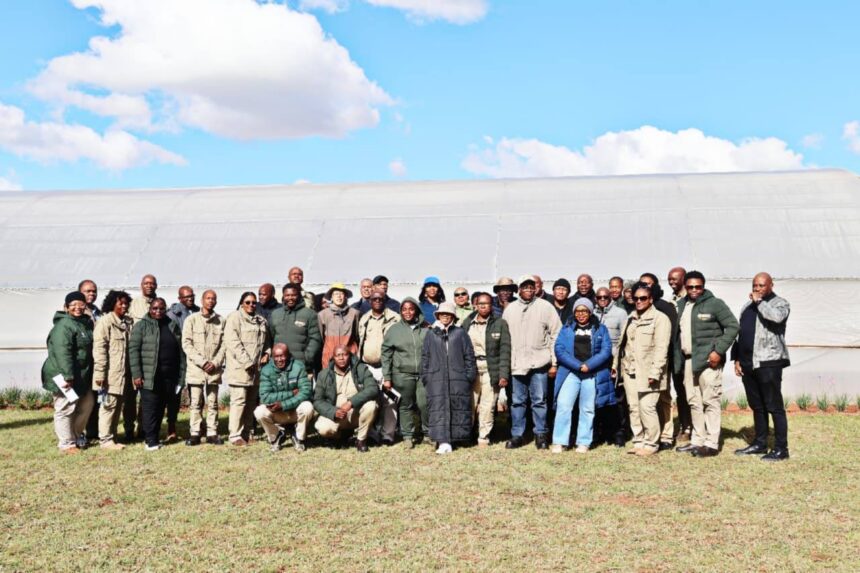
The second day of the Public Sector Forum for Extension and Advisory Services meeting placed strong emphasis on practical learning through project visits designed to strengthen agricultural support systems across provinces. Delegates moved beyond discussions and presentations to engage directly with farming projects on the ground, allowing them to observe operational realities firsthand. These visits created opportunities for agricultural officials, extension practitioners and stakeholders to exchange ideas while assessing both successful and struggling initiatives. The forum highlighted the importance of extension and advisory services in improving productivity, supporting rural communities and ensuring long term agricultural sustainability. By focusing on real projects and real challenges, the meeting reinforced the value of collaboration, knowledge sharing and practical interventions in South Africa’s agricultural sector.
Project visits remain one of the most effective tools for strengthening extension services because they allow delegates to see practical examples of agricultural operations in action. Instead of relying only on reports or theoretical discussions, participants can observe how projects are managed, how farmers respond to support systems and where gaps still exist. These interactions help extension officers understand challenges from the perspective of beneficiaries while also identifying methods that can be adapted in other provinces. Cross pollination of ideas and experiences is especially important in agriculture because conditions, resources and community needs often differ from one area to another. Through these visits, delegates gain valuable insights that can improve planning, advisory support and implementation strategies in their own regions.
The visits in the Fezile Dabi District were guided by Ms. Agnes Sebeho, Deputy Manager for Extension and Advisory Services, who introduced delegates to the purpose of the engagements and the beneficiaries involved in the selected projects. Her guidance helped frame the importance of learning from both successful and challenged initiatives, as each project presented unique lessons for the visiting delegation. The involvement of district leadership also demonstrated the commitment of local agricultural authorities to improving extension systems through transparency and collaboration. Delegates were encouraged to ask questions, engage with project members and critically assess the operational structures of the initiatives visited. This approach ensured that the visits were not simply observational exercises but meaningful opportunities for professional growth and agricultural development.
One of the projects visited during the forum was the Sokude Project, which provided delegates with an opportunity to examine the strengths and successes achieved through effective agricultural support and management. Successful projects often become models for replication because they demonstrate how coordinated extension services, proper planning and beneficiary commitment can lead to positive outcomes. Delegates observed the operational methods used at the project and discussed how similar strategies could be implemented in other provinces facing comparable conditions. Such projects also help motivate extension officers by showing the tangible impact that advisory services can have on rural livelihoods and food production. The lessons drawn from successful initiatives are important because they provide practical examples of what can be achieved when farmers receive consistent technical support and guidance.
The delegation also visited the Parys Poultry Project, which presented a different operational reality and highlighted some of the challenges that agricultural projects can encounter. By including a struggling project in the programme, the forum created a balanced learning experience that allowed delegates to assess weaknesses and identify possible interventions. Challenges in agricultural projects may stem from financial constraints, management issues, inadequate technical support or market access difficulties, and these visits provided an opportunity to openly discuss such concerns. Delegates reflected on the importance of early intervention, continuous mentorship and effective monitoring systems to prevent projects from declining. The experience reinforced the understanding that extension services must not only celebrate successful projects but also provide targeted support to struggling initiatives to ensure long term sustainability.
The discussions during the visits encouraged delegates to think critically about how agricultural advisory services can become more responsive and effective. Extension officers play a vital role in bridging the gap between government support programmes and farming communities, making their work essential for agricultural growth and rural development. Through shared experiences and open dialogue, participants explored ways to improve communication with beneficiaries, strengthen project management and increase access to relevant resources and training. The forum also highlighted the importance of collaboration between provinces, as many agricultural challenges require collective solutions and shared expertise. These engagements demonstrated that continuous learning and cooperation are necessary for building stronger agricultural support systems across the country.
The second day of the Public Sector Forum for Extension and Advisory Services meeting showed the value of combining policy discussions with practical field experiences. By visiting both the Sokude Project and the Parys Poultry Project, delegates gained a deeper understanding of the realities facing agricultural initiatives at different stages of development. The visits encouraged honest reflection, knowledge exchange and constructive dialogue about improving extension services for farmers and rural communities. Lessons learned from the projects can now be shared and adapted across provinces to strengthen advisory systems and improve agricultural performance. The forum ultimately reinforced the importance of practical learning, collaboration and proactive support in building a more resilient and productive agricultural sector in South Africa.
Join 'Farmers Mag' WhatsApp Channel
Get the latest Farming news and tips delivered straight to your WhatsApp
CLICK HERE TO JOIN




