Reliable water access remains one of the most critical factors for successful farming in South Africa, especially in regions that face irregular rainfall and recurring drought conditions. Boreholes and windmills have long served as practical solutions for securing water in both commercial and smallholder farming systems. These systems allow farmers to tap into underground water sources and distribute water efficiently across fields and livestock areas. As water scarcity intensifies, the importance of investing in durable and well-managed water infrastructure continues to grow. Farmers who plan carefully and maintain these systems properly can secure long term productivity and reduce operational risks.
Installing a borehole requires proper site selection, which is often guided by geological surveys and water detection methods. Farmers need to assess underground water availability, depth, and quality before drilling begins. Professional drilling contractors typically use specialized equipment to reach aquifers located deep below the surface. The installation process includes casing the borehole, installing pumps, and setting up basic infrastructure for water extraction. A poorly located or improperly installed borehole can lead to low water yield and high maintenance costs, making expert input essential from the start.
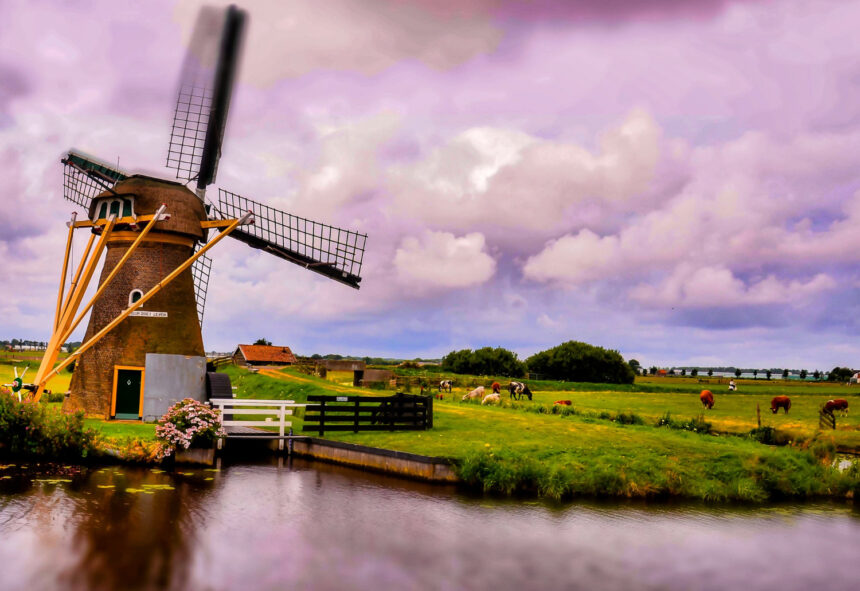
Windmills remain a cost-effective and sustainable option for pumping water in rural areas where electricity supply is limited or unreliable. These systems use wind energy to drive mechanical pumps that draw water from boreholes to the surface. Windmills are particularly useful for livestock farming, where consistent water supply is needed across grazing areas. They reduce reliance on fuel or grid electricity, lowering long term operating costs. However, their efficiency depends on wind conditions, proper installation, and regular maintenance to ensure continuous operation.
Maintaining boreholes is essential to prevent breakdowns and ensure consistent water quality. Over time, boreholes can experience issues such as sediment buildup, pump wear, or reduced water flow. Regular inspections help identify problems early and reduce the risk of complete system failure. Water testing is also important to ensure that the supply remains safe for livestock and irrigation use. Preventive maintenance, including cleaning and servicing pumps, extends the lifespan of the system and improves overall performance.
Windmill maintenance requires attention to mechanical components that are exposed to weather conditions throughout the year. Parts such as blades, bearings, and rods must be checked regularly for wear and damage. Lubrication and tightening of moving components help keep the system running smoothly. Farmers should also monitor the alignment and balance of the windmill to maintain efficiency. Neglecting maintenance can lead to reduced pumping capacity or complete failure, which can disrupt water supply during critical periods.
Cost considerations play a major role in the decision to install boreholes and windmills. Initial investment can be high, especially for deep drilling and quality equipment. However, the long term benefits often outweigh the costs when systems are properly managed. Farmers can reduce expenses by selecting appropriate equipment for their specific needs and avoiding overdesign. Access to financing or government support programmes can also help offset installation costs for emerging farmers.
Environmental management is another key factor when using boreholes and windmills. Over extraction of groundwater can lead to depletion of aquifers and long term water shortages. Farmers need to monitor usage and adopt responsible water management practices to ensure sustainability. Integrating water storage systems and efficient irrigation methods can help reduce unnecessary consumption. These practices support both environmental protection and long term farm productivity.
Installing and maintaining boreholes and windmills offers a practical solution to water challenges in South Africa’s agricultural sector. These systems provide reliable access to water while reducing dependence on external supply sources. Success depends on proper planning, quality installation, and consistent maintenance over time. Farmers who invest in these systems gain greater control over their water resources and improve resilience against climate variability. As water scarcity continues to shape agricultural outcomes, boreholes and windmills will remain essential tools for sustainable farming and long term growth.
Join 'Farmers Mag' WhatsApp Channel
Get the latest Farming news and tips delivered straight to your WhatsApp
CLICK HERE TO JOIN