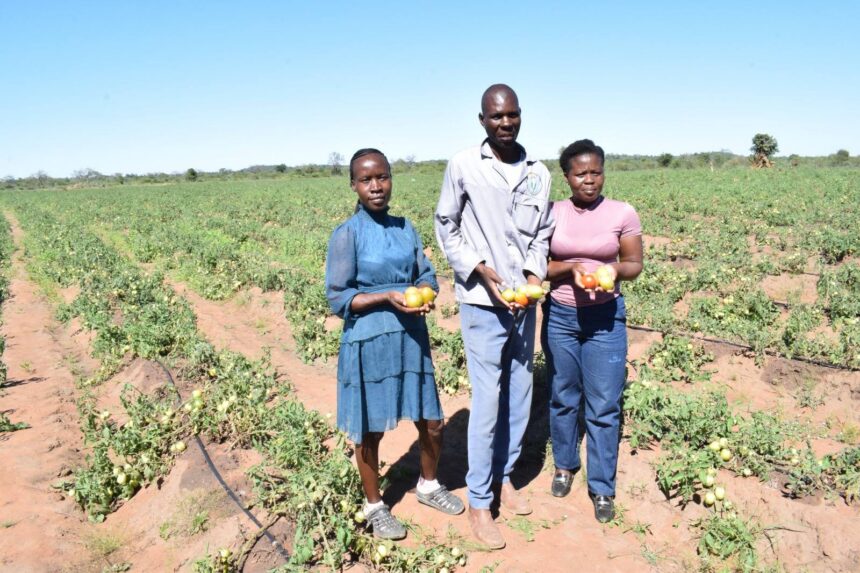
At the heart of Limpopo’s Vhembe District, the Matiyani Agricultural Project is redefining what rural farming can achieve for families and communities. Based in Matiyani Village, the family-run enterprise has become a strong example of how agriculture can create jobs, strengthen food security and build sustainable livelihoods. Led by Rhulani Enock Mathebula together with Chauke and Sibongile Olga Hlugwane, the project has steadily grown since it was established in 2017. What started as a shared family vision has developed into a productive farming operation that continues to attract attention for its success and community impact. Through hard work, planning and collaboration, the family has shown that farming remains one of the most powerful economic drivers in rural South Africa.
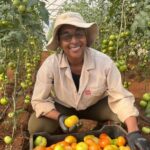
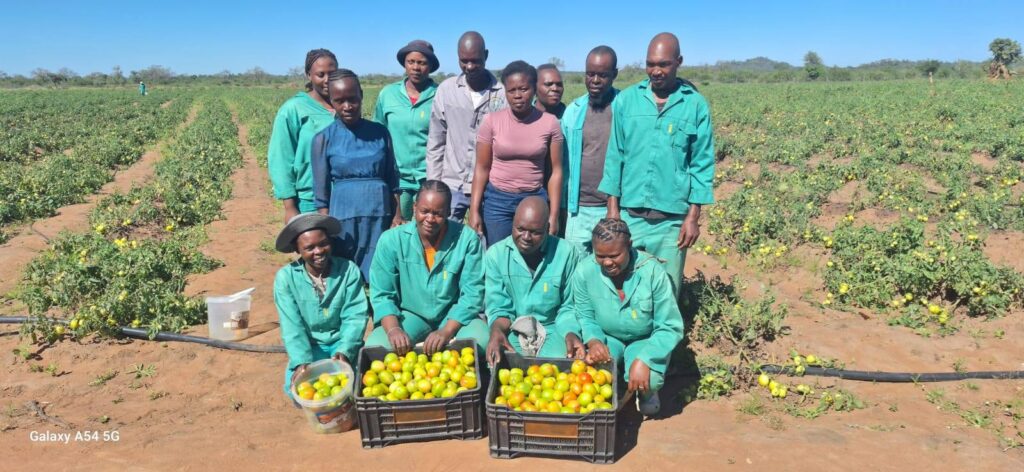
The Matiyani Agricultural Project operates on 15 hectares of land and combines livestock farming with vegetable production. This balanced farming approach has allowed the family to diversify its income streams while maintaining consistent agricultural output throughout the year. The farm recently celebrated a major milestone after delivering tons of fresh tomatoes to the market during a successful harvest season. This achievement reinforced the project’s role in supporting local food supply chains while also increasing the farm’s commercial reach. The tomato harvest not only reflected the farm’s production capacity but also highlighted the dedication and teamwork that continue to drive the business forward.
From the beginning, the project focused on creating sustainable livelihoods for the family while contributing positively to the surrounding community. Over time, the farm evolved into a thriving agricultural business that demonstrates the value of unity within family enterprises. Each member plays an active role in ensuring that operations run efficiently, from crop production to livestock management and market distribution. Their ability to work together has become one of the project’s greatest strengths and has helped the farm navigate the challenges often faced by small and emerging agricultural businesses. By remaining committed to long-term growth, the family has built a foundation that supports both economic stability and future expansion.
The project has also become an important source of inspiration for young people in Matiyani Village and nearby communities. Many rural youth often view agriculture as physically demanding work with limited financial opportunity, but the Matiyani Agricultural Project is changing that perception. Through visible success and consistent growth, the farm is showing that modern agriculture can be profitable, innovative and rewarding. Young people are now able to see farming as a serious business opportunity that can provide financial independence and career development. The project’s progress is encouraging a new generation to explore agricultural entrepreneurship and contribute to the future of food production in South Africa.
Beyond its farming activities, the enterprise plays a meaningful role in supporting local employment and economic development. The project currently employs six seasonal workers during peak farming periods, helping families in the area earn income and gain agricultural experience. In addition, five employees are supported through the Expanded Public Works Programme, commonly known as EPWP. These employment opportunities are particularly important in rural communities where access to stable work can be limited. By creating jobs and keeping economic activity within the local area, the farm contributes directly to improving household incomes and strengthening the rural economy.
Government support and strategic partnerships have played a critical role in helping the Matiyani Agricultural Project expand its operations and improve sustainability. The enterprise has received support from the Department of Social Development as well as the Limpopo Department of Agriculture and Rural Development. Partnerships with organizations such as AGRISETA and the National Youth Development Agency have also contributed to the project’s growth and modernization. These collaborations have helped the farm access important resources, training opportunities and agricultural development support. The assistance has allowed the family to move beyond subsistence farming and operate with greater efficiency and professionalism.
One of the major developments introduced through this support has been the implementation of green energy solutions on the farm. Solar panels now power essential boreholes, helping to secure reliable water access while reducing operational costs. This investment in renewable energy has strengthened the project’s sustainability and reduced dependence on traditional electricity sources. Reliable water infrastructure remains critical for successful farming operations, particularly in regions that experience water supply challenges and changing climate conditions. By embracing environmentally conscious solutions, the farm is positioning itself for long-term resilience and productivity.
Infrastructure improvements have also helped transform the farm into a more advanced agricultural operation. The installation of robust fencing has improved livestock management and farm security while protecting crops and resources. Advanced mechanization has further improved productivity by allowing the family to handle larger workloads more efficiently. Modern farming equipment has reduced labor-intensive processes and increased operational capacity across different farming activities. These developments have made it possible for the project to scale its production while maintaining quality and consistency in its agricultural output.
Skills development and knowledge transfer continue to play an important role in the success of the Matiyani Agricultural Project. Through ongoing agricultural training and access to production inputs, the family has strengthened its technical knowledge and farming practices. Continuous learning has allowed the project to adapt to market demands, improve crop management and increase productivity. Agricultural education remains essential for emerging farmers who want to compete in an evolving industry shaped by technology, climate pressures and consumer demand. By investing in skills development, the project ensures that its growth is supported by practical expertise and informed decision-making.
The story of the Matiyani Agricultural Project reflects the broader potential of agriculture to transform rural communities across South Africa. The project demonstrates that farming can create employment, improve food security and empower families when supported by dedication, partnerships and innovation. Through determination and teamwork, the Mathebula and Hlugwane families have built more than just a farm. They have created a lasting example of how rural enterprises can thrive while uplifting surrounding communities. As the project continues to expand and strengthen its operations, the family remains focused on building a sustainable agricultural legacy that future generations can continue with pride and purpose.
Join 'Farmers Mag' WhatsApp Channel
Get the latest Farming news and tips delivered straight to your WhatsApp
CLICK HERE TO JOIN