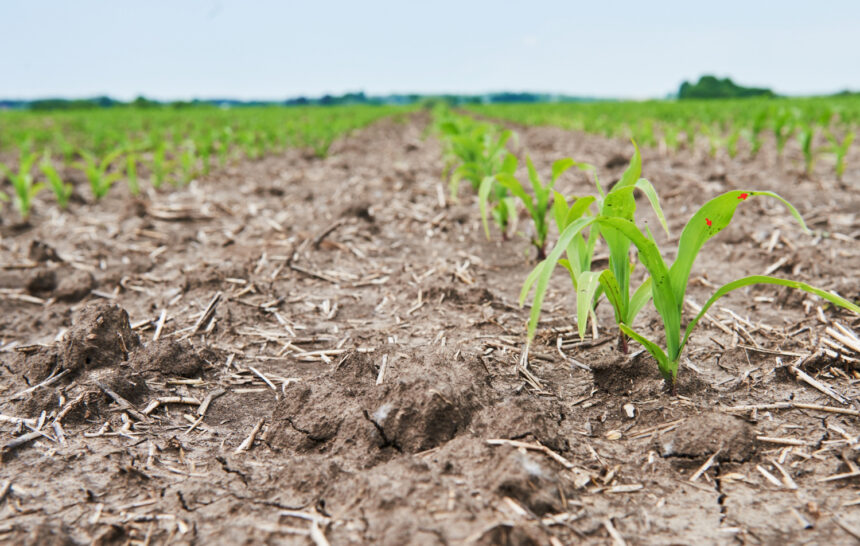
Climate change is changing farming in South Africa in direct and measurable ways. Farmers now deal with higher temperatures, unstable rainfall, and more frequent extreme weather. These shifts affect what can be grown, when it can be planted, and how much can be harvested. Agriculture in South Africa depends on predictable seasons, so any disruption creates risk across the entire food system. The result is lower productivity in many regions and rising pressure on farmers to adapt quickly. This challenge affects both large commercial farms and small-scale producers.
Rising temperatures are one of the most visible impacts. Heat reduces soil moisture and increases evaporation, which means crops need more water to survive. Maize, wheat, and vegetables are especially sensitive during flowering and grain development stages. When temperatures rise above optimal levels, plants produce fewer grains and lower quality yields. Livestock also struggle under heat stress, which reduces weight gain, fertility, and milk production. Farmers often see higher animal mortality during prolonged heatwaves, which increases financial losses and production costs.
Rainfall patterns are becoming less reliable. Some regions experience long dry periods while others face sudden heavy rains. This makes it difficult for farmers to plan planting and harvesting seasons. Rain-fed farming systems are the most vulnerable because they depend entirely on natural rainfall. Drought conditions reduce germination rates and stunt crop growth, while floods can destroy fields within hours. These extremes also damage farm roads, fences, and storage facilities, adding repair costs on top of lost production.
Water scarcity is becoming a major constraint in agriculture. Higher temperatures increase water demand while reducing natural water availability in dams, rivers, and soil. Irrigation systems become more expensive to run as farmers pump more water over longer periods. In already dry provinces, water restrictions limit what farmers can grow and how much land they can use. Competing demands from households and industry also reduce the water available for farming, which puts additional pressure on food production systems.
Soil health is also being affected. Heavy rains wash away topsoil, which contains essential nutrients needed for crops. This process reduces long-term fertility and makes land less productive over time. During droughts, soil becomes dry and loses organic matter, which weakens its structure and ability to retain moisture. Farmers then rely more on fertilisers and soil conditioners, which increases production costs. Over time, degraded soil reduces farm profitability and limits long-term agricultural sustainability.
Livestock farming is under similar pressure. Animals exposed to high temperatures eat less and grow more slowly. Grazing land becomes less productive during droughts, forcing farmers to buy expensive feed or reduce herd sizes. This affects beef, dairy, and wool production across the country. Disease risks also increase when animals are weakened by heat stress and poor nutrition. These factors combine to reduce output and raise operational costs for livestock farmers.
Food security is also affected by these changes. Lower yields and higher production costs lead to higher food prices in markets. This puts pressure on households, especially in low-income communities that already spend a large share of income on food. Small-scale farmers are often the most affected because they have limited access to irrigation, technology, and financial support. As production becomes more unstable, rural livelihoods become more vulnerable and income from farming becomes less reliable.
Farmers are responding with adaptation strategies. Many are shifting to drought-resistant crop varieties that can survive with less water. Others are changing planting dates to match new rainfall patterns. Conservation farming methods such as reduced tillage and crop rotation help improve soil moisture retention and reduce erosion. Some farmers invest in drip irrigation systems to use water more efficiently. However, these solutions require money, training, and infrastructure, which are not equally available to all farmers.
Climate change is reshaping farming in South Africa in a way that affects every stage of production. From soil quality to water supply, from livestock health to crop yields, the impact is widespread and ongoing. Farmers are being forced to adjust how they work while dealing with higher risks and lower predictability. The future of agriculture in the country will depend on how effectively adaptation strategies are adopted and supported across all levels of the farming sector.
Join 'Farmers Mag' WhatsApp Channel
Get the latest Farming news and tips delivered straight to your WhatsApp
CLICK HERE TO JOIN