The floriculture and nursery crops market in South Africa continues to grow as demand increases for ornamental plants, cut flowers, landscaping plants and garden products. This sector supports retail gardening, commercial landscaping, hospitality decoration and export trade, making it a diverse and competitive space. New entrants are attracted by rising urbanisation, lifestyle gardening trends and expanding retail chains that sell plants and flowers. The market also benefits from South Africa’s varied climate zones, which allow for the production of a wide range of plant species. Success in this industry requires planning, technical knowledge and strong supply chain management from the start.
In South Africa, floriculture and nursery crops offer opportunities for both small scale growers and commercial enterprises. The demand for decorative plants and flowers is driven by events, tourism, real estate development and home gardening culture. Export opportunities also exist, especially for cut flowers and high value ornamental plants that can compete in international markets. Local retail outlets such as garden centres, supermarkets and online plant stores continue to expand their offerings. This creates room for new suppliers who can maintain consistent quality and meet delivery expectations. However, competition is strong and success depends on efficiency and product differentiation.
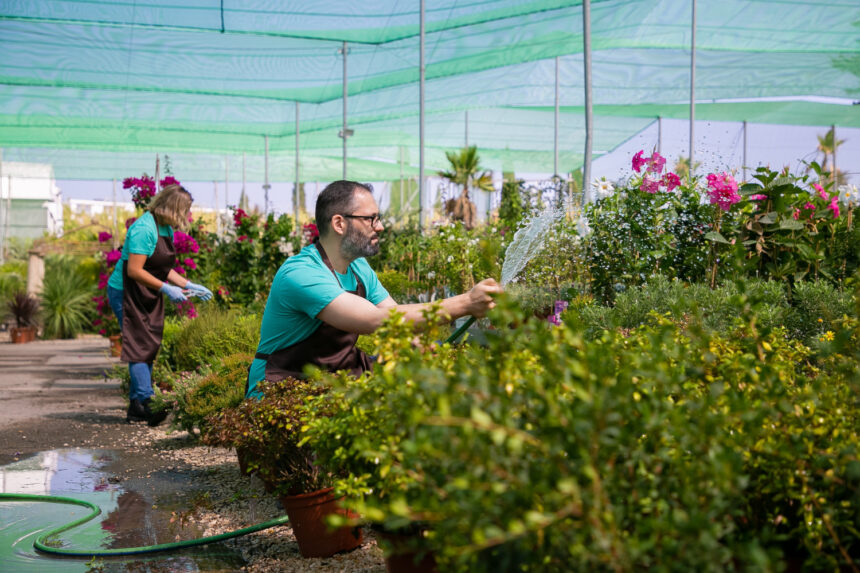
Entering this market requires careful preparation and structured investment in production systems. A grower must first decide on the type of product, such as cut flowers, potted plants, seedlings or landscaping stock. Infrastructure is essential, including greenhouses, irrigation systems, shade nets and climate control where needed. Propagation techniques such as seed growing, cuttings or tissue culture must be mastered depending on the crop type. Access to reliable water supply and quality soil or growing media plays a major role in plant health and yield. Market research is also important to identify demand trends and pricing structures before production begins.
There are also regulatory and operational requirements that must be met before entering the industry. Plant health regulations and biosecurity standards are important to prevent the spread of pests and diseases. Transport logistics must be carefully managed because plants are sensitive to temperature changes and handling delays. Labour is another key factor, as the industry is labour intensive and requires skilled workers for propagation, maintenance and harvesting. Growers must also build relationships with buyers, wholesalers and distributors to ensure consistent sales channels. Financial planning is essential because returns may take time, especially for nursery crops that require longer growth cycles.
Despite the challenges, the floriculture and nursery crops market offers strong long term potential for new entrants who are well prepared. The sector continues to benefit from growing domestic demand and expanding export opportunities. Innovation in cultivation methods, water efficiency and greenhouse technology is improving productivity and reducing risks. Entrepreneurs who focus on quality, consistency and market alignment can build sustainable businesses in this space. With the right strategy and commitment, entering this market can lead to stable income generation and participation in one of the most dynamic agricultural industries in the region.
Join 'Farmers Mag' WhatsApp Channel
Get the latest Farming news and tips delivered straight to your WhatsApp
CLICK HERE TO JOIN