Fertigation systems are becoming increasingly important in South African agriculture as farmers look for more efficient ways to improve crop production while conserving water and reducing input costs. The system combines irrigation and fertilisation by delivering nutrients directly through irrigation water to crops. This method allows farmers to feed plants more accurately and consistently throughout the growing season. In a country where water scarcity and rising farming costs continue to challenge agricultural production, fertigation offers a practical solution for improving efficiency and sustainability. Many commercial and emerging farmers across South Africa are now exploring fertigation systems to improve yields, crop quality, and resource management.
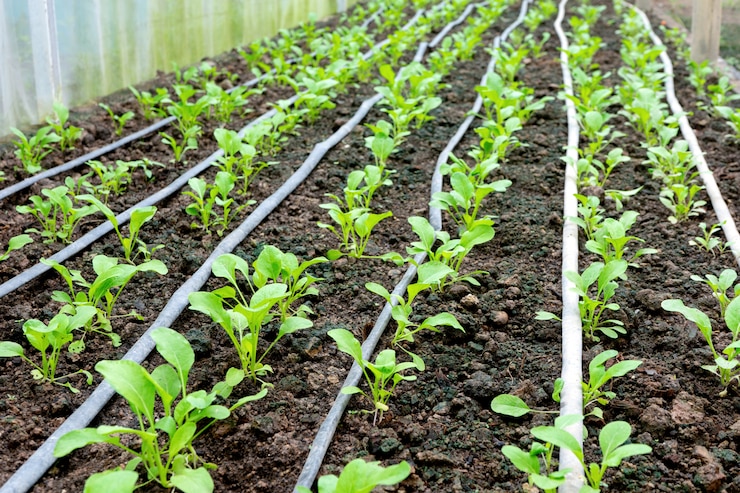
Fertigation works by injecting soluble fertilisers into irrigation systems such as drip irrigation, micro irrigation, or sprinkler systems. Instead of applying fertiliser manually across the field, nutrients are distributed evenly through the water supply directly to the plant root zone. This approach improves nutrient uptake because plants receive smaller and more controlled amounts of fertiliser at regular intervals. It also reduces nutrient wastage caused by runoff, evaporation, or over-application. Farmers can adjust nutrient levels according to crop growth stages, soil conditions, and seasonal requirements, making the system highly flexible and efficient.
In South Africa, fertigation systems are particularly valuable in areas affected by limited rainfall and water restrictions. Provinces with intensive fruit, vegetable, and horticultural production often benefit the most from this technology because crops require careful water and nutrient management. Drip irrigation combined with fertigation has become common in sectors such as citrus farming, vineyards, vegetable production, and greenhouse farming. By delivering water and nutrients directly to the roots, farmers can maintain healthier plants while using less water compared to traditional irrigation methods. This efficiency becomes increasingly important as climate change continues to affect rainfall patterns and water availability across the country.
One of the major benefits of fertigation systems is improved crop productivity. Crops receive nutrients in a more precise and balanced manner, which supports stronger plant growth and better yields. Farmers often notice improvements in crop quality, fruit size, and overall plant health when fertigation is managed correctly. The system also helps reduce labour costs because fertiliser application becomes automated within the irrigation process. In addition, fertigation allows farmers to respond quickly to nutrient deficiencies by adjusting feeding programmes during the growing season. This level of control can significantly improve farming efficiency and profitability over time.
Although fertigation offers many advantages, beginners must understand that proper management is essential for success. Water quality, fertiliser compatibility, and irrigation system maintenance all play an important role in ensuring the system functions correctly. Some fertilisers may clog irrigation lines if they are not fully soluble, which can affect water distribution and crop performance. Farmers also need to monitor soil conditions and nutrient levels regularly to avoid over-fertilisation or nutrient imbalances. Training and guidance from agricultural extension officers, irrigation specialists, or agronomists can help new users avoid costly mistakes and improve long term results.
The initial installation cost of fertigation systems can be a challenge for some farmers, especially smallholder and emerging producers. Equipment such as pumps, filters, injectors, pipes, and monitoring systems requires financial investment. However, many farmers view the long term savings on water, fertiliser, and labour as worthwhile benefits that offset the upfront costs over time. Government support programmes, agricultural finance institutions, and development initiatives in South Africa also continue to encourage the adoption of modern irrigation technologies. These programmes aim to strengthen food production, improve sustainability, and help farmers adapt to changing environmental conditions.
Fertigation systems are also contributing to more environmentally responsible farming practices in South Africa. Because nutrients are applied directly to the root zone, there is less fertiliser runoff into rivers, dams, and groundwater systems. This helps reduce environmental pollution while promoting more efficient resource use. Better water management also supports long term agricultural sustainability in areas facing drought and water shortages. As pressure on natural resources increases, farming systems that improve efficiency and reduce waste are becoming more important for the future of agriculture.
Fertigation continues to transform modern farming by helping South African farmers produce more with fewer resources. For beginners entering agriculture or looking to improve productivity, understanding how fertigation works can open opportunities for better crop management and stronger financial returns. The system combines water conservation, efficient nutrient delivery, and improved crop performance into a single integrated solution. As more farmers adopt modern agricultural technologies, fertigation is expected to play an even greater role in supporting food security, sustainable farming, and economic growth across South Africa.
Join 'Farmers Mag' WhatsApp Channel
Get the latest Farming news and tips delivered straight to your WhatsApp
CLICK HERE TO JOIN