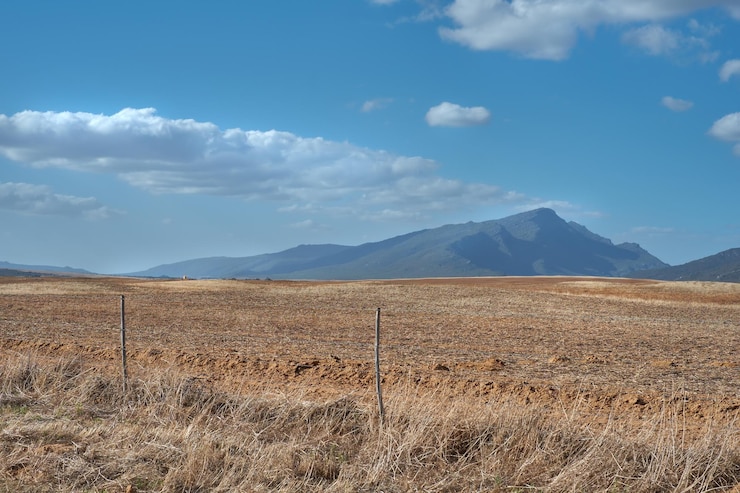
Drought remains one of the biggest challenges facing farmers in South Africa, affecting crop production, livestock farming and the long-term sustainability of agricultural businesses. Changing weather patterns, rising temperatures and inconsistent rainfall have increased pressure on farming communities across many provinces. For both commercial and small-scale farmers, drought can lead to lower yields, financial losses and limited access to water for irrigation and livestock. The impact often extends beyond the farm, affecting food prices, rural employment and national food security. As climate conditions continue to change, farmers are being forced to adopt practical and sustainable strategies that can help them survive dry periods and protect their operations. Preparing for drought is no longer optional for South African farmers because long-term resilience now depends on careful planning, efficient resource management and climate-smart agricultural practices.
Water management is one of the most important strategies farmers can use during drought conditions. Efficient irrigation systems such as drip irrigation can help reduce water waste by delivering moisture directly to plant roots where it is needed most. Farmers are also investing in water storage facilities including dams, tanks and reservoirs to collect rainwater during wetter seasons. Monitoring soil moisture levels helps producers make informed decisions about irrigation schedules and water use. Some farmers are turning to precision agriculture technology that uses sensors and weather data to improve water efficiency and reduce unnecessary irrigation costs. Conserving every available litre of water becomes essential during periods of severe drought, especially in areas where water restrictions are already in place.
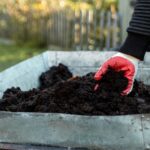
Soil health also plays a critical role in helping farms withstand dry conditions. Healthy soil retains moisture more effectively, reducing the stress drought places on crops and grazing land. Many South African farmers are using conservation farming methods such as minimum tillage, mulching and crop rotation to improve soil structure and reduce water loss through evaporation. Cover crops can also protect the soil from erosion while improving organic matter and moisture retention. Farmers who maintain healthy soils often see stronger crop performance during dry seasons because the land is better equipped to hold water for longer periods. Building resilient soil systems takes time, but it remains one of the most effective long-term drought management strategies available to farmers.
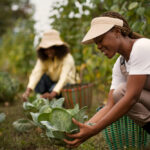
Crop selection has become increasingly important as farmers adapt to changing climate conditions. Many producers are shifting towards drought-resistant crops and seed varieties that require less water and can survive harsh weather conditions. Crops such as sorghum, millet and certain sunflower varieties are becoming more attractive options in regions that experience frequent dry spells. Farmers are also adjusting planting dates to align better with expected rainfall patterns and seasonal forecasts. Diversifying crop production helps reduce the risk of total losses if one crop fails during drought conditions. Agricultural research institutions continue to develop improved seed varieties that can better tolerate heat and water shortages, giving farmers more options for climate adaptation.
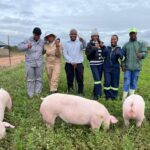
Livestock farmers face unique challenges during drought because grazing conditions often deteriorate rapidly when rainfall declines. Reduced pasture growth can force farmers to buy expensive feed or reduce herd sizes to protect remaining grazing land. Many livestock producers are implementing rotational grazing systems to prevent overgrazing and allow vegetation time to recover. Some farmers are planting drought-tolerant fodder crops that can provide additional feed during dry periods. Water availability for livestock also becomes a serious concern, making proper water infrastructure and storage essential for maintaining animal health. Careful herd management, early planning and strategic feeding programmes can help livestock farmers reduce losses and improve resilience during extended drought conditions.
Financial planning and risk management are becoming more important as drought events increase across South Africa. Farmers are encouraged to develop emergency budgets and maintain financial reserves that can help cover operational costs during difficult seasons. Agricultural insurance products can provide some protection against crop failures and livestock losses caused by drought. Access to government support programmes, agricultural grants and disaster relief funding can also assist struggling farmers during severe drought periods. Many producers are working closely with agricultural advisors, cooperatives and industry organisations to improve planning and access technical support. Strong financial management allows farmers to respond more effectively to drought while protecting the long-term sustainability of their businesses.
Technology and climate information continue to play an important role in modern drought management. Farmers now have greater access to weather forecasting tools, satellite data and mobile applications that provide updates on rainfall patterns, soil conditions and climate risks. Accurate weather information helps producers make better decisions regarding planting, irrigation and livestock management. Precision farming equipment can also improve efficiency by reducing unnecessary use of water, fertiliser and fuel. In some areas, farmers are adopting renewable energy systems such as solar-powered water pumps to reduce operating costs and improve energy reliability during difficult periods. Technology cannot stop drought, but it can help farmers respond faster and manage resources more effectively.
Drought will likely remain a major challenge for South African agriculture in the years ahead, but farmers continue to show resilience through innovation, adaptation and careful resource management. Sustainable water use, healthy soil practices, drought-resistant crops and improved livestock management all contribute to stronger and more climate-resilient farming systems. Collaboration between farmers, researchers, government departments and agricultural organisations will remain essential in developing practical solutions for future drought conditions. Investing in long-term sustainability today can help protect food production, rural livelihoods and economic stability tomorrow. South African farmers continue to adapt to changing environmental conditions with determination and innovation because the future of agriculture depends on resilience, preparation and responsible land management.
Join 'Farmers Mag' WhatsApp Channel
Get the latest Farming news and tips delivered straight to your WhatsApp
CLICK HERE TO JOIN