Vermiculture farming is becoming an increasingly important part of sustainable agriculture in South Africa as farmers and households look for cost effective ways to improve soil health and reduce dependence on chemical fertilizers. This method uses earthworms to break down organic waste into nutrient rich compost known as vermicast. The result is a natural soil conditioner that improves plant growth, water retention and long term soil fertility. In a country where soil degradation and high input costs affect many farmers, vermiculture offers a practical solution. It is suitable for small scale farmers, commercial growers and even home gardeners who want to recycle waste into valuable fertilizer.
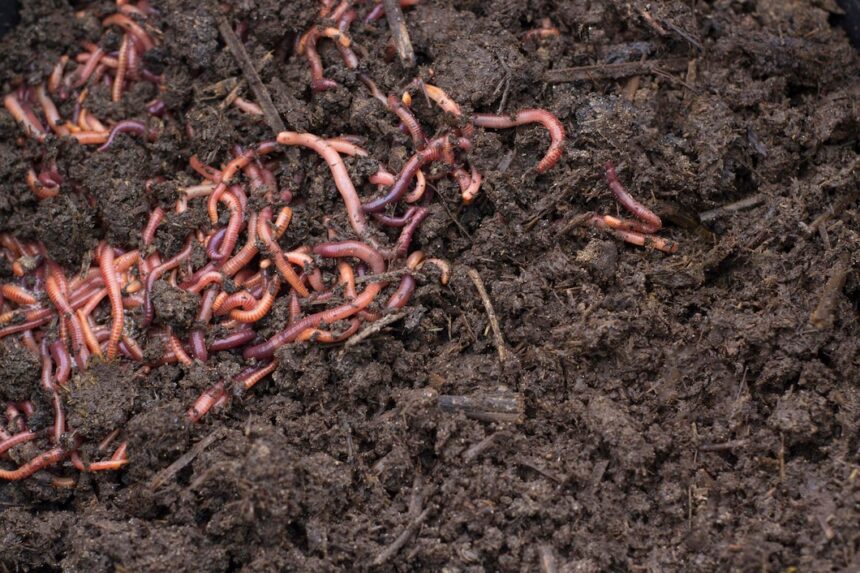
Starting a vermiculture system in South Africa requires careful planning, but it does not need large capital investment. The most commonly used worm species is Eisenia fetida, also known as red wiggler worms, because they thrive in decomposing organic matter. You need a shaded, well ventilated space such as a container, wooden box or simple earth bed depending on your scale of production. Temperature control is important because worms perform best in moderate conditions and can become inactive in extreme heat or cold. Moisture levels must also be maintained, as worms require a damp but not waterlogged environment to survive and reproduce.
Selecting the right feedstock is one of the most important aspects of successful vermiculture farming. Worms consume organic waste such as vegetable peels, fruit scraps, grass clippings and manure from herbivores. You should avoid feeding them meat, dairy products, oily foods and chemically treated waste, as these can harm the worms and disrupt the system. Consistent feeding helps maintain worm activity and ensures steady production of vermicast. In South Africa, agricultural waste and household organic waste provide abundant raw material for worm farming systems. Proper sorting of waste at source improves efficiency and reduces contamination in the composting process.
Setting up a worm bed requires layering organic material in a way that supports both aeration and decomposition. A base layer of coarse material such as shredded cardboard or dry leaves helps with drainage and airflow. This is followed by moist organic waste and a layer of soil or finished compost to introduce beneficial microorganisms. Once the worms are added, the system should be kept in a shaded area protected from direct sunlight and heavy rain. Regular monitoring ensures that moisture, temperature and feeding levels remain balanced. A well maintained worm bed can produce usable compost within a few weeks to months depending on conditions.
Harvesting vermicast is a key stage in the production process and must be done carefully to avoid harming the worms. One common method is to move fresh food to one side of the bed, encouraging worms to migrate so that the compost can be collected from the other side. The harvested material is dark, crumbly and rich in nutrients that support plant growth. It can be applied directly to gardens, mixed into potting soil or used in larger agricultural fields. Vermicast improves soil structure, enhances microbial activity and increases the availability of nutrients to plants. This makes it a valuable input for both small scale and commercial farming systems.
Water management is essential in vermiculture farming, especially in warmer regions of South Africa where evaporation rates are high. The worm bed should remain moist but not saturated, as excessive water can lead to oxygen loss and worm death. Covering the system with damp burlap, sacks or natural materials helps maintain humidity and protect the worms from heat stress. In colder areas, insulation may be required to maintain stable temperatures during winter months. Proper environmental control ensures continuous production throughout the year and prevents system collapse.
Vermiculture farming also offers strong economic opportunities for farmers and entrepreneurs in South Africa. The demand for organic fertilizer is increasing as more growers shift toward sustainable and chemical free farming practices. Worm farming can be started on a small scale and expanded gradually as production and market demand grow. Income can be generated through the sale of vermicast, live worms and liquid fertilizer known as worm tea. Local nurseries, organic farms and gardening enthusiasts provide consistent market opportunities. With proper management, vermiculture can become a reliable supplementary income stream.
Despite its benefits, vermiculture farming requires attention to detail and consistent management to remain productive. Common challenges include overheating, poor drainage, overfeeding and pest intrusion. Regular monitoring and simple corrective actions can prevent most of these issues. Training and information sharing among farmers can improve success rates and encourage wider adoption. In South Africa, support from agricultural extension services and local cooperatives can also help beginners get started. Understanding the biological needs of worms is key to maintaining a stable and productive system.
Vermiculture farming in South Africa represents a practical and sustainable approach to improving soil health while managing organic waste effectively. It offers a low cost entry point into agriculture and supports both environmental conservation and food production goals. By converting waste into valuable fertilizer, farmers reduce input costs and improve long term soil productivity. The system is flexible, scalable and suitable for different farming environments across the country. With proper setup and consistent care, vermiculture can become a powerful tool for building healthier soils and more resilient agricultural systems.
Join 'Farmers Mag' WhatsApp Channel
Get the latest Farming news and tips delivered straight to your WhatsApp
CLICK HERE TO JOIN