Farming plays a key role in South Africa’s economy and food supply, yet it remains one of the most dangerous industries to work in. Daily tasks expose farmers and workers to machinery, livestock, chemicals, and unpredictable environmental conditions. These risks can lead to serious injuries, financial loss, and even fatalities if not managed properly. A strong safety culture helps protect lives while improving productivity and long term sustainability. Many accidents occur due to poor planning, lack of training, or ignoring basic safety procedures. You need clear systems, regular training, and proper equipment to reduce these risks. This guide explains practical steps you can apply to make your farm safer and more efficient.
Farm safety starts with a structured safety plan that identifies risks and outlines clear actions. You should assess every part of your farm, including machinery, storage areas, livestock zones, and chemical handling spaces. A proper plan also includes emergency procedures, contact numbers, and evacuation steps for fires or severe weather. Regular reviews are important because farm conditions change with seasons and new equipment. Many farms operate without documented safety plans, which increases the likelihood of accidents and confusion during emergencies. Workers must understand the plan and know their responsibilities at all times. Clear communication ensures that everyone reacts quickly and correctly when problems arise.
Training is one of the most effective ways to reduce accidents on farms. Every worker should know how to operate machinery, handle livestock, and use chemicals safely. Lack of training leads to errors that can cause injuries or damage equipment. You should provide regular refresher sessions to keep safety knowledge current. First aid training is also essential because it allows quick response to injuries before professional help arrives. Workers who understand safety procedures perform tasks more confidently and efficiently. Training also builds awareness of hazards that are not always obvious, such as chemical exposure or unstable structures.
Machinery and equipment are major sources of farm accidents, so proper maintenance is critical. You should inspect tractors, harvesters, and tools before use to ensure they are in good condition. Faulty brakes, worn parts, and leaking systems increase the risk of serious incidents. Machinery accidents account for a large share of farm injuries, which shows how important maintenance is. Operators must use equipment according to guidelines and avoid shortcuts that compromise safety. Protective guards and safety features should never be removed or ignored. Keeping a maintenance log helps track repairs and ensures no issue is overlooked.
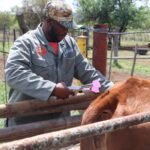
Livestock handling requires caution because animals can behave unpredictably. You should understand animal behavior and avoid sudden movements that may trigger aggression. Injuries often occur when workers are crushed, kicked, or charged by animals. Properly designed enclosures and handling systems reduce these risks by controlling movement. Protective clothing such as boots and gloves adds another layer of safety. Never allow untrained individuals to handle large or dangerous animals. Good communication and teamwork are important when moving or treating livestock to prevent accidents.
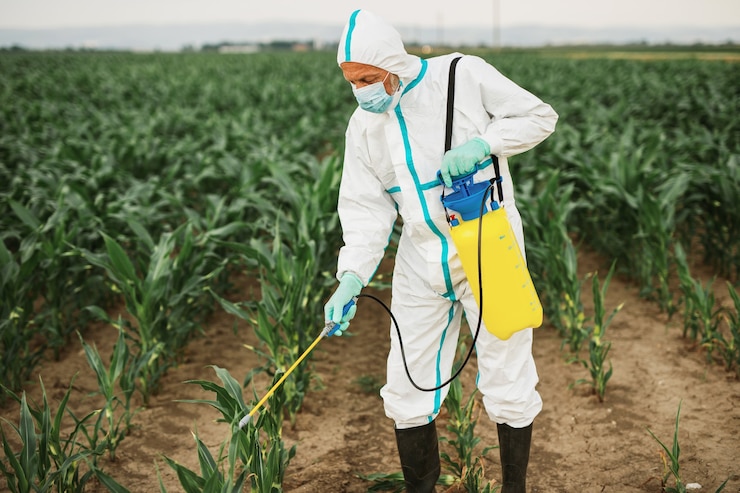
Chemical safety is another critical area on South African farms. Pesticides, herbicides, and fertilizers can harm your health if handled incorrectly. You should store chemicals in clearly labeled containers and keep them away from living areas. Workers must use protective gear such as gloves, masks, and eye protection when handling chemicals. Exposure can cause respiratory problems, skin irritation, and long term health issues. Proper training ensures that chemicals are used in the correct amounts and applied safely. Safe disposal methods also prevent environmental damage and contamination.
Farm environments present physical hazards that require constant attention. Slippery surfaces, unstable structures, and working at heights increase the risk of falls. You should keep pathways clear, maintain buildings, and ensure ladders are used correctly. Falls and collapsing structures are common causes of serious injuries. Fire safety is also important due to the presence of dry materials and fuel. Installing fire extinguishers and checking electrical systems reduces the chance of fires spreading. Good housekeeping practices make it easier to spot hazards before they cause harm.
Health and wellbeing play a key role in overall farm safety. Long working hours, fatigue, and stress increase the likelihood of mistakes and accidents. You should ensure that workers take regular breaks and get enough rest during busy seasons. Protective measures such as sun protection and hearing protection help prevent long term health issues. Hygiene facilities reduce the risk of infections, especially when working with animals or chemicals. Older workers may need additional support because they are more vulnerable to injuries. Regular health checks help detect problems early and keep everyone fit for work.
Farm safety in South Africa requires consistent effort, planning, and awareness. You cannot rely on experience alone because risks change with technology, weather, and workload. A safe farm protects workers, improves productivity, and reduces financial losses from accidents. Clear safety plans, proper training, and regular maintenance form the foundation of effective risk management. Paying attention to livestock handling, chemical use, and environmental hazards strengthens your overall safety system. Small improvements can prevent serious incidents and save lives. When safety becomes part of your daily routine, your farm becomes more secure, efficient, and sustainable for the future.
Join 'Farmers Mag' WhatsApp Channel
Get the latest Farming news and tips delivered straight to your WhatsApp
CLICK HERE TO JOIN