Leather production plays an important role in South Africa’s agricultural and manufacturing sectors. It connects livestock farming with industrial processing and global trade. Many farmers raise animals not only for meat but also for hides, which serve as the raw material for leather. This process adds value to what would otherwise be a by product of the meat industry. South Africa has built a strong reputation for producing quality leather used in fashion, furniture and automotive industries. The sector supports jobs across rural and urban areas, from farms to factories. Understanding how leather is produced helps you see how agriculture and industry work together to create economic value.
The process begins on farms where animals such as cattle, sheep and goats are raised. These animals are the primary source of hides and skins used in leather production. Good animal husbandry practices play a direct role in the quality of the final leather. Farmers must ensure proper nutrition, disease control and safe handling to prevent damage to the skin. Injuries, parasites and poor living conditions can reduce the value of hides. Clean environments and careful management help produce smoother and stronger raw materials. This means that leather quality often starts long before processing begins.
Once animals are slaughtered, the hides are removed and preserved to prevent decay. This stage is critical because raw hides can deteriorate quickly if not handled correctly. Farmers or abattoirs usually treat hides with salt to draw out moisture and slow bacterial growth. The preserved hides are then transported to tanneries for processing. Timing and storage conditions matter, as delays can affect quality and reduce market value. Efficient collection and handling systems help maintain the integrity of the hides. This early stage sets the foundation for the rest of the leather production process.
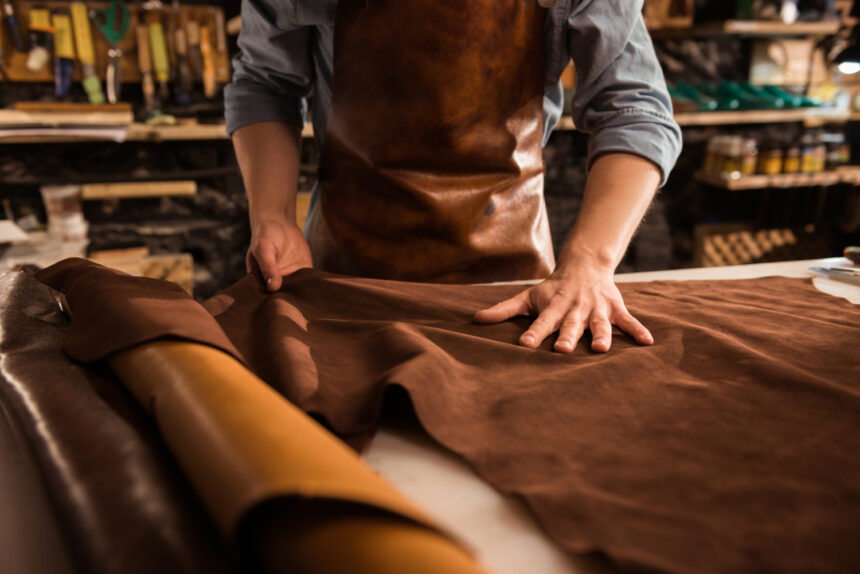
At the tannery, hides go through several steps to transform them into usable leather. The first stage involves cleaning and soaking the hides to remove dirt, blood and salt. After that, workers remove hair and excess tissue to prepare the surface. The tanning process then stabilises the protein structure of the hide, making it durable and resistant to decay. In South Africa, chrome tanning is widely used because it produces soft and flexible leather in a shorter time. Vegetable tanning is also used for certain products that require a firmer texture and a more natural finish. Each method affects the final look, feel and use of the leather.
After tanning, the leather undergoes finishing processes to improve its appearance and performance. These steps include dyeing, drying, softening and coating the surface. Manufacturers can adjust colour, texture and thickness based on the intended use. Leather used in car seats must meet strict durability standards, while fashion leather focuses more on appearance and feel. South Africa supplies leather to both local and international markets, with strong demand from automotive and footwear industries. Quality control is important at this stage to ensure consistency and meet buyer requirements. Skilled labour and modern technology help achieve high production standards.
The leather industry also faces environmental and ethical challenges that require careful management. Tanning uses chemicals and water, which can impact the environment if not handled properly. Many South African tanneries have adopted cleaner production methods to reduce waste and improve efficiency. Water recycling systems and safer chemical processes help limit environmental damage. Animal welfare is another concern, as consumers increasingly expect ethical sourcing practices. Farmers and producers must follow regulations and standards that protect animal health and wellbeing. These efforts help maintain trust and support long term sustainability.
Leather production contributes significantly to the South African economy by creating jobs and supporting exports. It links rural farming communities with industrial processing and global markets. Small scale farmers benefit from selling hides as an additional income stream. Larger operations support manufacturing sectors that produce finished goods for export. The industry also encourages skills development in areas such as tanning, design and quality control. This creates opportunities for economic growth across multiple sectors. Strong supply chains help ensure that value is added at each stage of production.
Leather production from farm animals in South Africa shows how agriculture can extend beyond food production into valuable industrial outputs. The process begins with proper animal care and continues through careful handling, processing and finishing. Each stage affects the quality of the final product and its market value. Environmental responsibility and ethical practices are becoming more important as the industry evolves. When managed well, leather production supports jobs, boosts income and strengthens trade. It remains a key link between farming and manufacturing in the country. With continued improvement and responsible practices, the sector will continue to grow and deliver value across the economy.
Join 'Farmers Mag' WhatsApp Channel
Get the latest Farming news and tips delivered straight to your WhatsApp
CLICK HERE TO JOIN