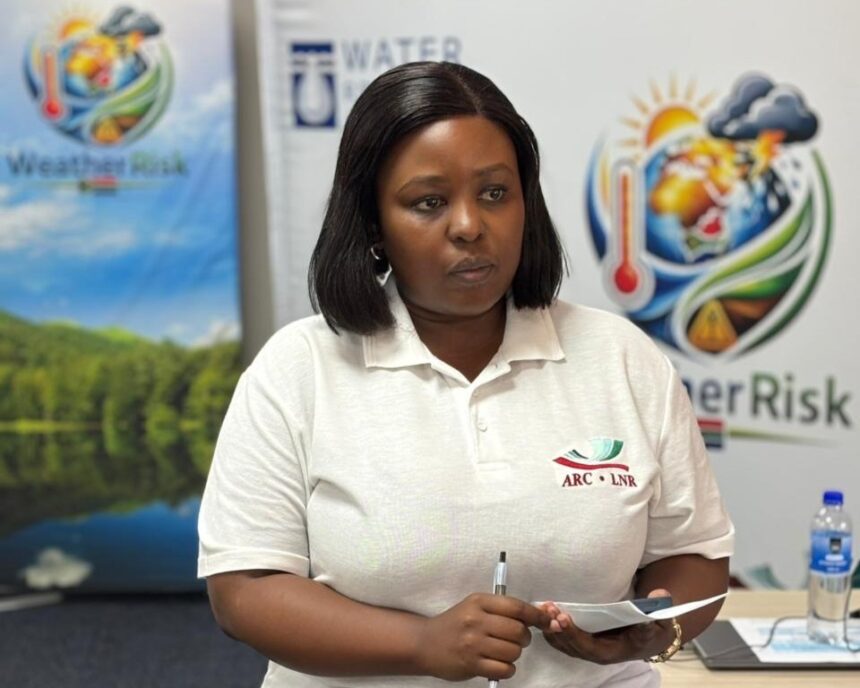
On 27 March, The Weather Risk Site hosted its External Stakeholder Workshop, bringing together key partners from across the agricultural sector to discuss the role of real-time weather intelligence in improving planning and managing risks. The event highlighted the growing importance of accurate climate data in guiding farming decisions and protecting livelihoods. Participants engaged in dynamic presentations, interactive discussions, and networking opportunities that encouraged knowledge sharing and practical collaboration. The workshop offered a space for stakeholders to exchange experiences, explore innovative approaches, and identify solutions to common challenges in agriculture. By emphasizing the connection between data, decision-making, and risk management, the event underscored the sector’s commitment to innovation and resilience.
The presentations provided insights into emerging tools and technologies for monitoring weather patterns, forecasting climate events, and assessing potential impacts on crops and livestock. Experts shared case studies demonstrating how timely information can reduce losses, optimize input use, and improve overall farm productivity. Stakeholders discussed the integration of weather data into operational planning, including irrigation schedules, pest and disease control, and market timing. The workshop emphasized the value of collaborative approaches, with farmers, researchers, and industry representatives exchanging ideas to enhance the effectiveness of climate-smart strategies. These discussions reinforced the notion that access to accurate, real-time data can transform agricultural practices and strengthen decision-making processes at all levels.
Robust conversations during the workshop also highlighted the importance of risk management and proactive planning in agriculture. Participants explored strategies for building resilience against unpredictable weather events, such as droughts, floods, and storms. Emphasis was placed on leveraging data to inform financial planning, insurance decisions, and resource allocation. Stakeholders agreed that informed decisions based on reliable information reduce vulnerability and support sustainable growth. The workshop underscored the need for continuous engagement between technology providers, farmers, and policymakers to ensure that innovations are practical, accessible, and tailored to local needs.
Networking and collaboration were central to the workshop’s success, as attendees formed connections to support ongoing partnerships and knowledge exchange. The event encouraged the sharing of lessons learned and best practices, fostering an environment where innovation can flourish. Participants expressed a commitment to transforming information into actionable strategies that benefit both individual farmers and the broader agricultural community. By bridging the gap between data generation and practical application, stakeholders demonstrated a shared responsibility for advancing climate-smart agriculture. The workshop reinforced the value of collective efforts in strengthening sector-wide resilience and preparedness.
The Weather Risk Site External Stakeholder Workshop showcased the power of collaboration, engagement, and forward-thinking innovation in agriculture. By focusing on real-time weather intelligence and climate-smart practices, the event provided participants with actionable insights and strategies for informed decision-making. The shared commitment to turning data into action represents a significant step toward enhancing resilience and sustainability across the agricultural landscape. Workshops like this strengthen connections among stakeholders, promote the adoption of innovative technologies, and build capacity to manage risks effectively. Through ongoing collaboration and knowledge sharing, the sector is better equipped to navigate climate challenges and ensure long-term productivity and growth.
Join 'Farmers Mag' WhatsApp Channel
Get the latest Farming news and tips delivered straight to your WhatsApp
CLICK HERE TO JOIN