

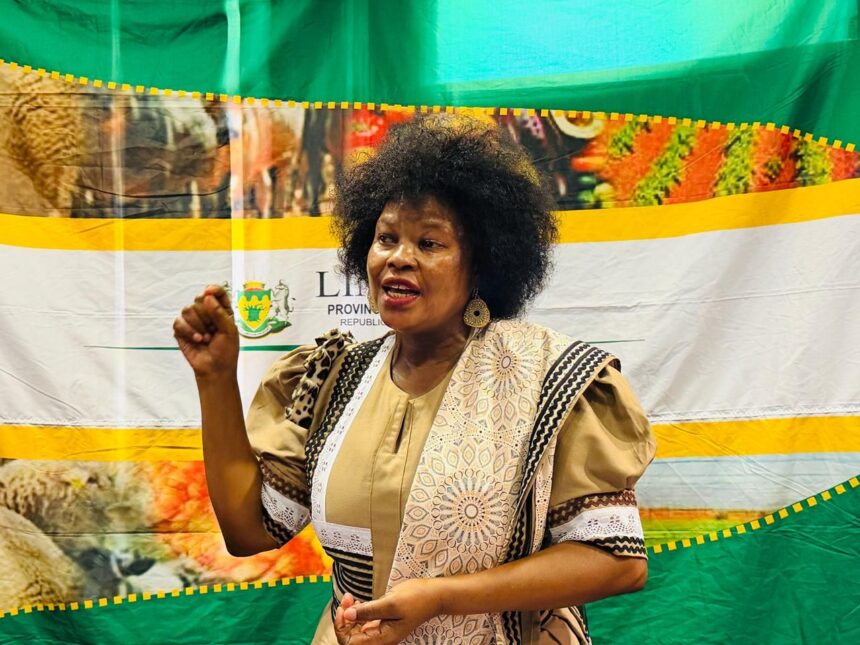
MEC Nakedi Kekana has received widespread recognition from municipal leaders and stakeholders following the closure of the State of the Province Address, highlighting her transformative approach to agriculture in the region. Her leadership is credited with driving initiatives that strengthen both commercial and smallholder farming, ensuring that agriculture contributes significantly to rural economic growth. Central to these efforts is the RAVAAC initiative, a program designed to provide farmers with access to vital resources, technical support, and market opportunities. By focusing on empowerment and practical assistance, MEC Kekana is positioning the agricultural sector as a key driver of inclusive development. The recognition from municipal leaders underscores the positive impact of consistent leadership and well-targeted programs on the farming community.
The RAVAAC initiative has become a game-changer for local producers by offering tools and support that enable farmers to increase productivity and profitability. Through training, access to inputs, and guidance on modern farming practices, smallholder farmers are equipped to implement efficient and sustainable methods. This support ensures that farmers can expand operations, improve yields, and participate more actively in regional markets. Beyond individual farms, the program strengthens the rural economy by creating job opportunities and stimulating local trade. The focus on practical, results-driven interventions has generated measurable improvements in both output and farmer confidence.
MEC Kekana’s consistent emphasis on farmer support has had a profound effect on smallholder operations. By prioritizing empowerment, resource allocation, and mentorship, the department is helping rural entrepreneurs move from subsistence farming to market-oriented production. Farmers now have access to advisory services, equipment, and financial guidance, which has improved crop quality and livestock management across communities. This approach ensures that smallholders are not only surviving but actively contributing to regional food security. Municipal stakeholders have praised this model for its ability to integrate smallholder farms into broader economic plans while maintaining sustainability and resilience.
Collaboration between the department, municipalities, and farming communities has been a key factor in the program’s success. MEC Kekana has fostered partnerships that encourage knowledge sharing, coordinated resource allocation, and community engagement. These partnerships enable the department to tailor support to the specific needs of different regions, ensuring that farmers receive the most relevant assistance. The cooperative approach also strengthens trust between government and local producers, creating an environment where innovation and growth are encouraged. Municipal leaders have highlighted this collaborative framework as a model for other sectors seeking to drive inclusive development.
MEC Nakedi Kekana’s leadership is reshaping agriculture by combining strategic initiatives like RAVAAC with consistent farmer support and empowerment. Smallholder farmers are experiencing significant benefits, with improved productivity, market access, and long-term sustainability. Her approach demonstrates that effective leadership, coupled with practical programs and collaboration with municipalities, can transform rural economies and enhance food security. By prioritizing empowerment and resources for farmers, MEC Kekana is ensuring that the agricultural sector is inclusive, resilient, and capable of driving economic growth. The success of these programs reflects a vision for a prosperous future where rural producers are active leaders in the region’s development.
Join 'Farmers Mag' WhatsApp Channel
Get the latest Farming news and tips delivered straight to your WhatsApp
CLICK HERE TO JOIN




