
Soil quality is the foundation of successful farming, and understanding the composition and health of your land is essential for productive agriculture in South Africa. Testing soil helps farmers identify nutrient deficiencies, pH levels, and potential contaminants that can affect crop growth and yield. Without accurate soil assessment, farmers risk poor harvests, wasted resources, and long-term soil degradation. By conducting proper soil tests, you can make informed decisions about fertilization, crop selection, and land management, improving productivity and sustainability. This guide explains the steps and methods to effectively test soil quality, ensuring your farm operates at its full potential.
The first step in testing soil quality is to collect representative soil samples from your farm. Samples should be taken from multiple points across the land, including areas that may differ in texture, slope, or vegetation. Use a clean spade or soil auger to collect soil from the top 15–20 centimeters, which is the layer most affected by farming activities. Combine the samples in a clean container and mix thoroughly to create a composite sample, which provides an overall picture of your soil’s condition. Label your samples clearly and avoid contamination from tools, fertilizer, or other substances that could distort test results.
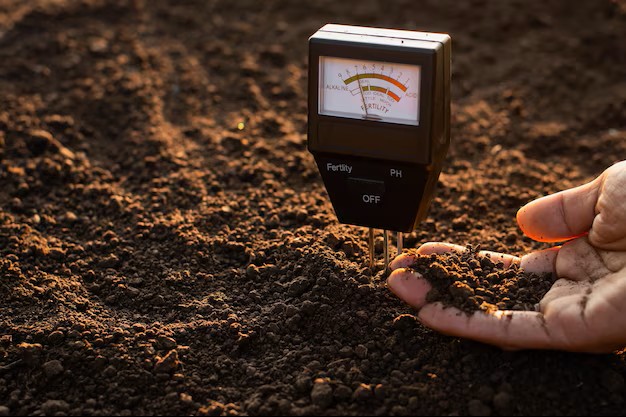
Once samples are collected, you can either conduct basic tests on the farm or send them to a professional laboratory for comprehensive analysis. Simple on-site tests can measure soil pH using a soil testing kit, which helps determine whether the soil is acidic, neutral, or alkaline. You can also observe soil texture by rubbing it between your fingers to assess sand, silt, and clay content, which affects drainage and nutrient retention. For a detailed assessment, laboratories analyze nutrient levels such as nitrogen, phosphorus, potassium, and trace elements, as well as organic matter content and potential contaminants. Lab tests provide precise information that guides fertilization and soil management strategies for optimal crop growth.
Interpreting soil test results is a critical step for effective farm management. The pH level indicates the suitability of soil for different crops, with most vegetables and grains preferring a slightly acidic to neutral range. Nutrient analysis highlights deficiencies or excesses that can be corrected with targeted fertilizers or organic amendments. Organic matter content informs decisions on composting, crop rotation, and cover cropping to improve soil structure and fertility. Understanding soil texture and drainage helps prevent waterlogging or erosion and guides irrigation practices. Applying the right amendments based on accurate testing ensures healthier crops and more efficient use of inputs.
Regular soil testing should become part of a continuous farm management plan. Testing before planting and after harvest allows you to monitor changes over time and adjust practices accordingly. Soil health can be improved gradually through organic matter addition, crop rotation, proper irrigation, and careful fertilization. Keeping records of soil test results and interventions helps track progress and plan future crops more effectively. By systematically testing and managing your soil, you create a sustainable farming environment that maximizes yields, reduces costs, and preserves land productivity for the long term.
Testing soil quality is a vital step for any farmer in South Africa seeking productive and sustainable operations. Collecting representative samples, conducting on-site or laboratory tests, and interpreting results allows you to make informed decisions about fertilization, crop selection, and land management. Continuous monitoring and proactive interventions maintain soil health, enhance crop yields, and support long-term agricultural success. Farmers who prioritize soil testing not only improve their immediate harvests but also protect the fertility and resilience of their land for future generations.
Join 'Farmers Mag' WhatsApp Channel
Get the latest Farming news and tips delivered straight to your WhatsApp
CLICK HERE TO JOIN