

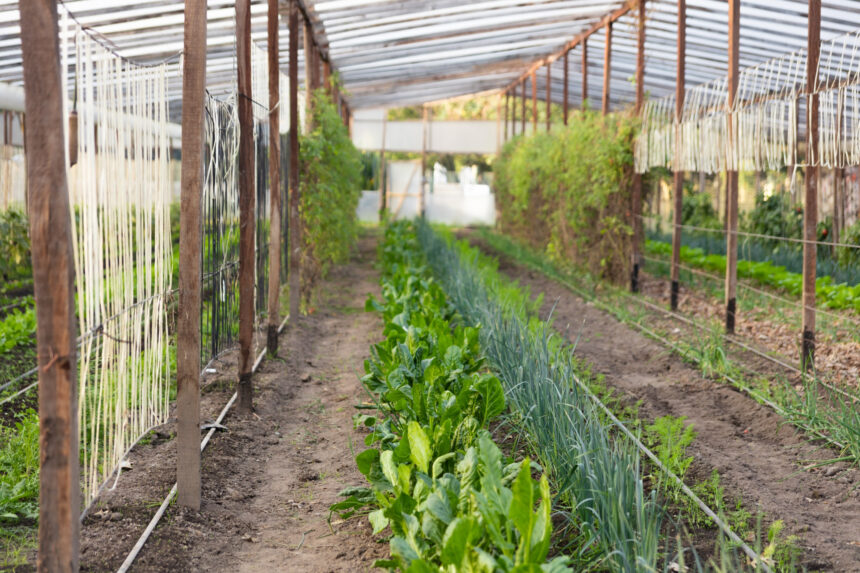
Starting a farm in South Africa does not always require a large capital investment, and many aspiring farmers are successfully entering agriculture with limited resources. The key to starting small is careful planning, focusing on low-cost yet high-value crops or livestock, and leveraging available support systems such as government programmes, cooperatives, and mentorship networks. By understanding market demand, resource availability, and sustainable practices, beginners can establish a profitable farm without heavy upfront costs. Small-scale farming also allows for experimentation and learning while minimizing financial risk. With patience, creativity, and strategic decisions, new farmers can gradually expand operations and generate steady income.
One of the most effective ways to start farming with little money is to focus on high-demand crops or livestock that require minimal infrastructure. Vegetables like spinach, cabbage, onions, and chillies, or herbs such as coriander and basil, can be grown in small plots or even containers. Poultry, goats, or rabbits are often low-cost livestock options that produce quick returns, as they require relatively small amounts of feed and space. Beginners should start with a manageable scale to reduce overhead costs and gain experience before scaling up. Selecting crops or livestock suited to the local climate and soil conditions also minimizes input costs and increases the likelihood of success.
Utilizing available support from government programmes and agricultural agencies can help reduce start-up costs significantly. In South Africa, initiatives from the Department of Agriculture, the Agribusiness Development Agency (ADA), and local municipalities offer funding, mentorship, and technical assistance for emerging farmers. Many of these programmes provide equipment, training, and market access to help small-scale farmers become commercially viable. Engaging with cooperatives or community farming groups can also reduce costs through shared resources and bulk purchases of inputs like seeds, feed, or fertilizer. By taking advantage of these support structures, beginner farmers can establish a strong foundation without needing substantial personal investment.
Implementing low-cost sustainable farming practices is another way to reduce expenses while improving productivity. Techniques such as composting, rainwater harvesting, and mulching help maintain soil fertility, conserve water, and reduce reliance on expensive chemical inputs. Crop rotation and intercropping can improve yields and minimize pest or disease pressures without costly interventions. Farmers can also reuse materials for infrastructure, such as building simple chicken coops from locally sourced timber or using recycled containers for irrigation. Adopting these methods ensures the farm remains productive and financially sustainable while minimizing environmental impact.
Marketing and generating income early is essential for sustaining a small-scale farm. Selling directly to local markets, schools, restaurants, or through online platforms allows farmers to receive fair prices without depending on intermediaries. Establishing relationships with buyers and maintaining high-quality products builds trust and encourages repeat sales. Even small quantities of produce or livestock can generate income if marketed strategically and consistently. Over time, revenue from initial small-scale operations can be reinvested into expanding the farm, purchasing additional equipment, or diversifying production.
Starting farming with little money in South Africa is achievable with careful planning, resourcefulness, and access to support networks. By focusing on low-cost crops or livestock, leveraging government programmes, and using sustainable practices, aspiring farmers can gradually build profitable operations. Direct marketing and building relationships with buyers ensure that income is generated even at a small scale. The key is to start manageable, learn from experience, and reinvest profits to grow the farm sustainably. With determination and strategic decisions, small-scale farmers can create thriving agricultural businesses and contribute to local food security and economic development.
Join 'Farmers Mag' WhatsApp Channel
Get the latest Farming news and tips delivered straight to your WhatsApp
CLICK HERE TO JOIN




