
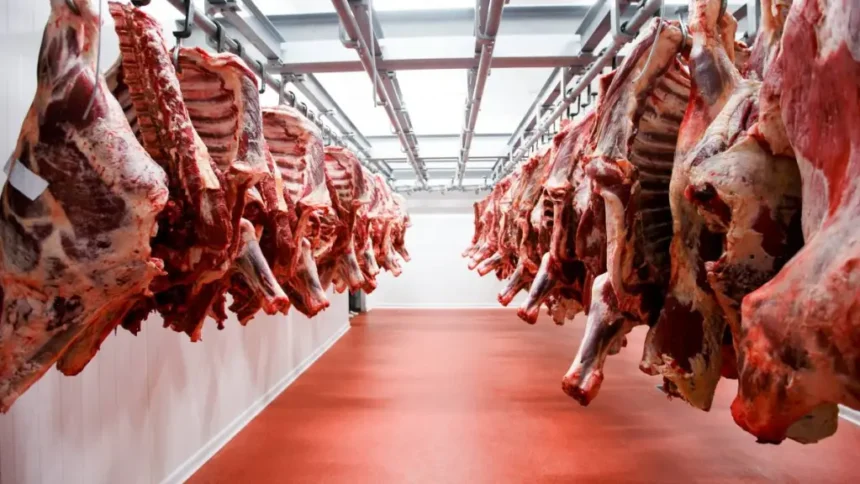
Botswana’s beef industry has suffered a major setback after the European Union joined the United Kingdom in banning imports of fresh beef from the country. The decision follows an outbreak of Foot and Mouth Disease (FMD) in Botswana’s North-East District.
Beef exports are a vital part of the economy of Botswana, and the EU and UK have long been among the country’s most valuable export markets. The suspension of exports to these destinations represents a significant blow not only to cattle farmers but also to the wider agricultural value chain that supports rural livelihoods.
For decades, Botswana has built a reputation for producing high-quality beef that meets strict international veterinary and traceability standards. The EU in particular has been one of the most lucrative markets for Botswana beef, offering premium prices for producers who comply with its rigorous food safety regulations. With the EU now aligning its position with the United Kingdom’s earlier decision to halt imports, Botswana’s access to two of its most important international markets has effectively been suspended—at least temporarily.
Industry experts warn that if the restrictions persist, cattle farmers, processors, and exporters could face significant financial losses. Small and medium-scale farmers, who rely heavily on export demand to sustain their operations, are expected to feel the greatest impact.
In response to the outbreak, authorities in Botswana have implemented strict control measures to limit the spread of the virus. Government officials have suspended the movement of cattle and other cloven-hoofed animals in affected areas of the North-East District while veterinary teams intensify monitoring and surveillance efforts.
The outbreak also comes at a time when neighbouring South Africa is facing its own challenges with Foot and Mouth Disease. Recent media reports indicate that outbreaks have been recorded in several provinces, including KwaZulu-Natal, Limpopo and North West Province, prompting increased vaccination campaigns and livestock movement controls.
Because Foot and Mouth Disease spreads rapidly among cloven-hoofed animals such as cattle, sheep, goats and pigs, outbreaks often trigger immediate trade restrictions as countries seek to protect their own livestock industries. As a result, disease outbreaks in one country can have wider implications for regional livestock trade and food security.
Authorities in Botswana are expected to work closely with veterinary experts and international partners to contain the outbreak and restore confidence in the country’s beef exports. Historically, countries affected by FMD can regain export status once the disease is brought under control and strict monitoring systems are verified. For farmers across Southern Africa, the situation highlights the importance of strong biosecurity measures and coordinated regional responses to livestock diseases.
Join 'Farmers Mag' WhatsApp Channel
Get the latest Farming news and tips delivered straight to your WhatsApp
CLICK HERE TO JOIN