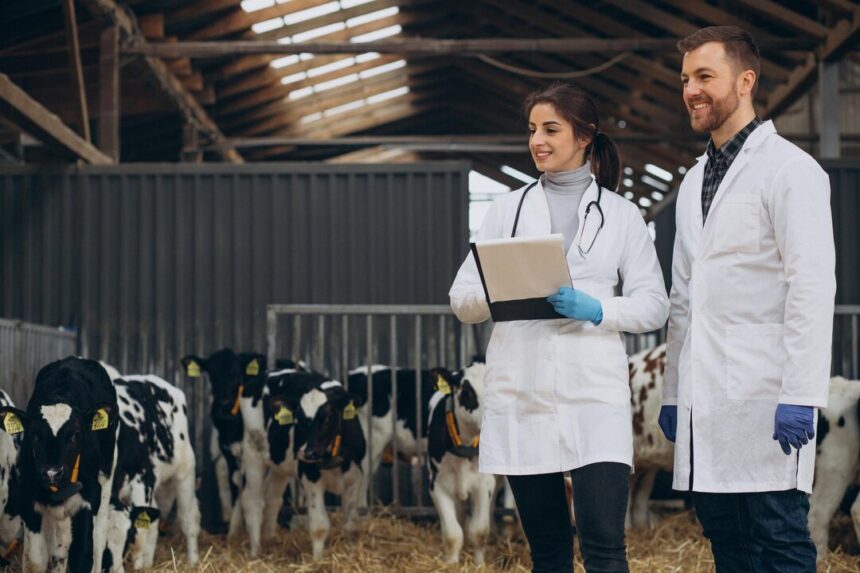
Genomic testing is transforming cattle farming in South Africa by providing farmers with detailed insights into the genetic potential of their herds. This technology allows producers to identify animals with superior traits for growth, fertility, disease resistance, and meat quality. By analyzing DNA, farmers can make informed breeding decisions, improve herd performance, and accelerate genetic progress. Genomic testing also helps reduce reliance on visual assessments or pedigree records alone, offering precise data that strengthens long-term herd management strategies.
One of the main benefits of genomic testing is improved selection for disease resistance. Livestock susceptible to conditions like bovine tuberculosis or foot-and-mouth disease can be identified, allowing farmers to prioritize healthier animals for breeding. This reduces losses, minimizes veterinary costs, and strengthens herd resilience. In addition, genomic testing supports better nutritional planning, as animals with known genetic profiles may respond differently to feeding strategies, enabling tailored diets that optimize growth and productivity.
Genomic tools also enhance reproductive efficiency in South African cattle farming. Farmers can select bulls and cows with superior fertility traits, shortening calving intervals and improving herd replacement rates. Combining genomic data with traditional performance records allows producers to predict offspring performance more accurately, reducing variability and increasing the likelihood of high-quality calves. This is particularly valuable for commercial operations seeking consistent meat or milk production for domestic and export markets.
The integration of genomic testing into breeding programs contributes to sustainable farming practices. By focusing on animals with optimal genetic traits, farmers can reduce environmental impact through improved feed efficiency and lower greenhouse gas emissions per unit of production. It also supports the long-term viability of herds, helping farmers adapt to challenges such as climate change, emerging diseases, and fluctuating market demands. Genomic testing provides a scientific foundation for decision-making, reducing risks associated with trial-and-error breeding methods.
Adopting genomic testing in South African cattle farming requires access to laboratories, trained personnel, and investment in technology. However, the long-term benefits—higher productivity, improved herd health, and increased market competitiveness—often outweigh initial costs. As awareness grows, more producers are incorporating genomic insights into their herd management strategies. By combining traditional farming knowledge with modern genomic tools, South African cattle farmers can achieve greater efficiency, sustainability, and profitability in an increasingly competitive agricultural sector.
Join 'Farmers Mag' WhatsApp Channel
Get the latest Farming news and tips delivered straight to your WhatsApp
CLICK HERE TO JOIN