

Farming a single acre efficiently requires careful planning and creative strategies. One of the most effective approaches is combining vegetables, herbs, and chickens on the same plot. This integrated system allows farmers to produce a variety of food products while improving soil health, controlling pests naturally, and reducing input costs. By layering production and using space efficiently, an acre can yield more than traditional monocrop methods.
Vegetables form the backbone of the system. High-value crops such as tomatoes, peppers, leafy greens, and root vegetables can be rotated to optimize soil nutrients and prevent disease buildup. Companion planting with herbs such as basil, parsley, and oregano enhances growth, attracts pollinators, and repels pests. Herbs also provide an additional income stream and improve culinary appeal for farm products. Strategic spacing and succession planting ensure that every square meter is productive throughout the season.
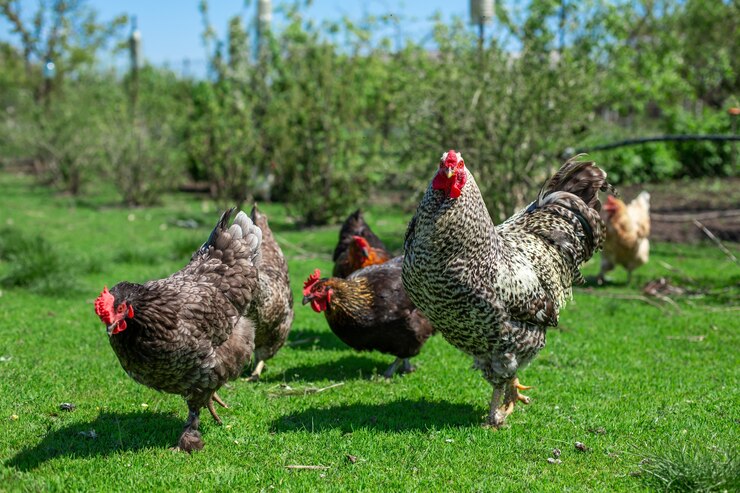
Chickens play a dual role in this integrated system. They provide eggs and meat while contributing natural fertilizer to the soil. Chickens can be rotated through vegetable beds in a controlled manner after harvest, helping to remove pests, turn compost, and spread manure evenly. Careful management prevents overgrazing or crop damage and ensures that poultry health is maintained. Integrating chickens also reduces reliance on synthetic fertilizers and pesticides, lowering production costs and creating a more sustainable farming operation.
Soil health and water management are critical components. Mulching around plants retains moisture and prevents weed growth, while composting kitchen scraps and chicken manure enriches the soil. Drip irrigation or soaker hoses ensure efficient water use, particularly during dry spells. Regular soil testing helps determine nutrient requirements and guides crop rotation plans. This approach creates a self-reinforcing cycle where plants, herbs, and chickens contribute to overall soil fertility and farm productivity.
Farmers using this method report multiple benefits. Diverse crops and livestock reduce risk by spreading production across different products. The integrated approach encourages biodiversity, attracts beneficial insects, and improves resilience against pests and diseases. A single acre managed properly can produce vegetables, herbs, eggs, and poultry meat year-round, providing both food security and income opportunities. Combining these elements requires planning and monitoring, but the payoff in productivity, sustainability, and profitability is substantial.
This system is ideal for small-scale farmers, homesteads, and urban or peri-urban plots. By combining vegetables, herbs, and chickens, farmers can make the most of limited space while maintaining ecological balance and reducing input costs. With careful crop selection, rotational planning, and attention to poultry management, one acre can become a highly productive and self-sustaining mini-farm.
Join 'Farmers Mag' WhatsApp Channel
Get the latest Farming news and tips delivered straight to your WhatsApp
CLICK HERE TO JOIN




