

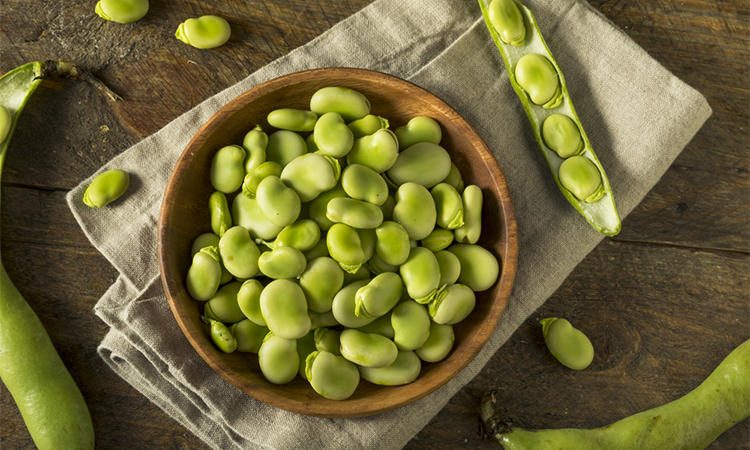
Fava beans offer strong potential beyond bulk grain sales. In South Africa, demand for plant based and nutrient dense foods continues to grow. You can increase income by processing fava beans into health focused products. This article explains how to convert fava beans into market ready products that appeal to modern consumers.
Why Fava Beans Suit the Health Market
Fava beans are high in protein, fibre and minerals. They support heart health and satiety. Health conscious buyers value legumes that replace animal protein. Fava beans also suit vegan, vegetarian and flexitarian diets. These qualities make them ideal for value added processing.
Choosing the Right Raw Material
Start with clean, mature and well dried beans. Uniform size improves processing efficiency. Avoid mould, insect damage and excessive moisture. Proper storage protects quality before processing. Good raw material reduces losses and improves final product consistency.
Producing Fava Bean Flour
Fava bean flour has growing demand in baking and home cooking. Clean and dehull beans thoroughly. Roast lightly to improve flavour and digestibility. Mill into fine flour using a hammer mill or stone mill. Sieve to achieve uniform texture. Package in moisture resistant bags. Flour works well in gluten free blends, breads and pancakes.
Turning Fava Beans into Protein Rich Snacks
Roasted fava beans offer a healthy snack option. Soak beans to reduce bitterness. Dry thoroughly. Roast at controlled temperatures until crunchy. Light seasoning adds appeal without compromising health positioning. Package in airtight containers to maintain freshness. This product sells well in gyms, health stores and online shops.
Making Fava Bean-Based Meat Alternatives
Fava beans work well in plant based meat products. Process beans into paste or textured protein. Combine with natural binders and spices. Shape into patties, mince or sausages. Maintain simple ingredient lists. Clean labels attract health focused buyers. This category offers higher margins but requires stricter quality control.
Processing Fava Beans into Ready to Cook Products
Pre cooked or split fava beans save consumers time. Soak and boil beans under controlled conditions. Dry or vacuum pack depending on shelf life goals. Clear cooking instructions add value. These products suit urban households and retail shelves.
Food Safety and Regulatory Compliance
Food safety protects your business and buyers. Maintain clean processing spaces. Use potable water and proper sanitation. Register processing activities with local authorities where required. Accurate labelling is essential. Include ingredients, allergens, net weight and expiry dates. Compliance builds trust and opens retail opportunities.
Packaging and Branding for Health Markets
Packaging should reflect simplicity and quality. Use clean designs and neutral colours. Highlight protein content and plant based benefits without making medical claims. Sustainable packaging increases appeal. Strong branding helps your product stand out in competitive markets.
Identifying the Right Sales Channels
Different products suit different buyers. Flour sells well through retailers and bakeries. Snacks perform best in health stores and direct to consumer channels. Meat alternatives target restaurants and speciality retailers. Direct sales improve margins and customer feedback.
Pricing for Long Term Profitability
Calculate production, labour, packaging and compliance costs carefully. Set prices that reflect processing effort and health positioning. Avoid competing only on price. Consistency and reliability justify premium pricing.
Fava beans offer farmers an opportunity to move into the health food sector. By processing them into flour, snacks and plant based alternatives, you increase value and market reach. With proper quality control, compliance and branding, fava beans can become a profitable and resilient product in South Africa.
Join 'Farmers Mag' WhatsApp Channel
Get the latest Farming news and tips delivered straight to your WhatsApp
CLICK HERE TO JOIN




