

Turning a farm into a tourist destination can create new income streams and increase community engagement. Agritourism combines agriculture with tourism by offering visitors hands-on experiences, educational activities, and recreational opportunities. Farms of any size can adopt agritourism, but success depends on planning, creativity, and understanding your target audience.
Start by identifying what makes your farm unique. This could include crop variety, livestock breeds, scenic landscapes, or historical features. Visitors are drawn to experiences they cannot get elsewhere, so highlight authentic aspects of your farm. Popular options include guided tours, fruit-picking activities, farm-to-table meals, or demonstrations of traditional farming techniques.
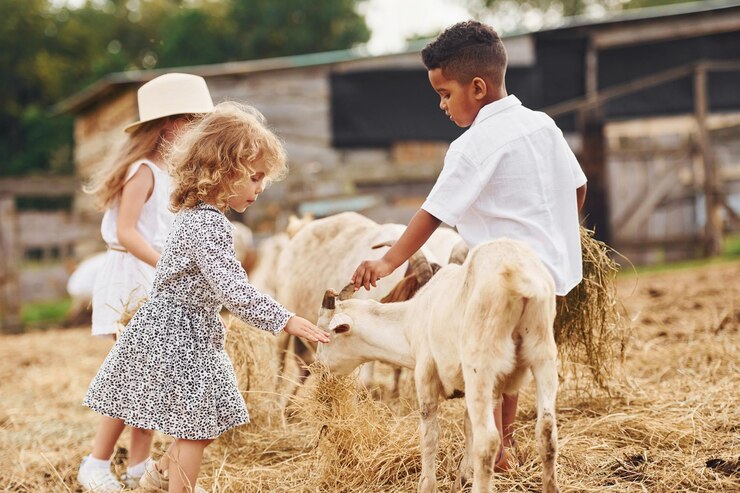
Animal interactions are a strong attraction. Visitors enjoy feeding, milking, or petting farm animals, especially children. Small animal farms, such as goats, rabbits, or chickens, are particularly appealing for families. You can also offer educational sessions on animal care, breeding, or sustainability practices to create a more engaging experience.
Workshops and hands-on experiences can attract hobbyists and enthusiasts. These might include cheese-making, soap or candle production, gardening, or organic farming techniques. Seasonal workshops aligned with harvest periods or festivals can drive repeat visits and build local awareness.
Farm stays and accommodation provide an immersive experience. Converting part of your farm into guest cottages, tents, or lodges allows visitors to experience rural life overnight. This model works well if your farm is located near major cities, tourist routes, or natural attractions, giving visitors both convenience and a unique rural experience.
Marketing is essential for agritourism success. Use social media, farm websites, and local tourism boards to promote activities. High-quality photos of your farm, animals, and events attract attention. Partnering with schools, tour operators, and local businesses can expand your reach and create community support.
Safety and accessibility are critical. Ensure pathways are safe, signage is clear, and visitors are guided to avoid hazards. Liability insurance and proper hygiene measures, especially around animals and food, protect both visitors and your business.
Finally, focus on creating memorable experiences. Personal interactions, storytelling about farm history, and hands-on activities leave lasting impressions and encourage repeat visits. Feedback from visitors can guide improvements and help you adapt activities to meet market demand.
Agritourism can transform a farm into a vibrant destination that generates income, educates visitors, and strengthens community ties. With careful planning, creative experiences, and effective marketing, farms can attract tourists while showcasing agriculture in an engaging and profitable way.
Join 'Farmers Mag' WhatsApp Channel
Get the latest Farming news and tips delivered straight to your WhatsApp
CLICK HERE TO JOIN




