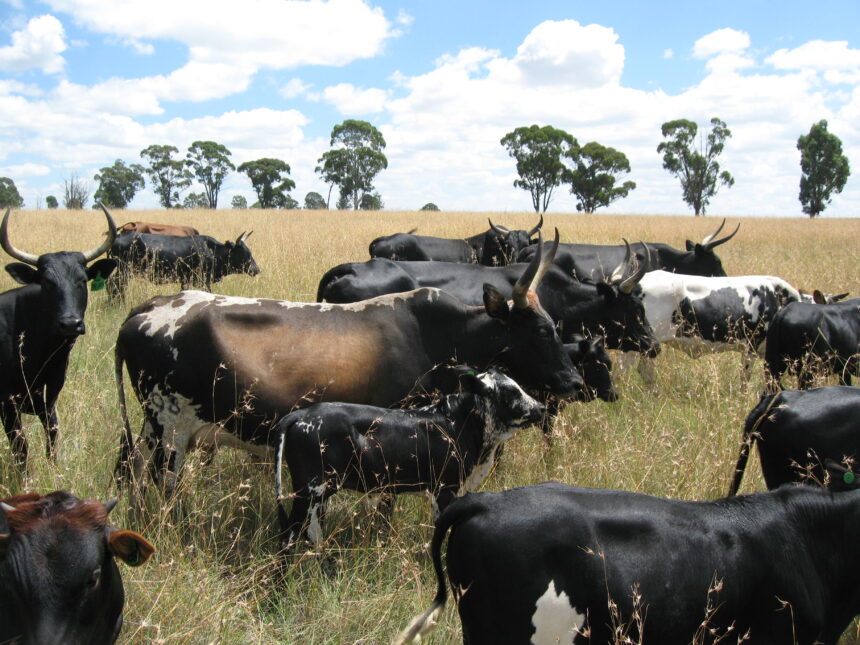
Nguni cattle are one of South Africa’s most iconic indigenous breeds, highly valued for their resilience, adaptability, and cultural significance. For communal farmers, these cattle offer unique advantages, but they also present challenges that require careful management. Understanding the pros and cons of Nguni cattle helps farmers make informed decisions for sustainable livestock production.
Pros of Nguni Cattle
- Adaptability
Nguni cattle are well-adapted to South Africa’s diverse climates, including the harsh conditions of communal farming areas. They tolerate heat, drought, and variable grazing conditions better than many exotic breeds, making them suitable for low-input systems. - Disease Resistance
These cattle exhibit strong natural resistance to ticks and common livestock diseases, reducing veterinary costs and losses. Their hardy constitution makes them easier to manage under communal grazing conditions. - Low Maintenance
Nguni cattle require minimal supplementary feeding in comparison to exotic breeds. They thrive on natural pasture and can survive periods of feed scarcity, which is common in communal areas. - Cultural and Social Value
Nguni cattle hold significant cultural and social importance in many communities. They are often used for traditional ceremonies, bride price negotiations, and community events, providing social capital alongside economic value. - Meat Quality
Nguni beef is lean, tender, and flavorful, with growing market demand for grass-fed and indigenous breed meat. Farmers can earn higher prices when selling directly to niche markets.
Cons of Nguni Cattle
- Lower Milk Production
Compared to specialized dairy breeds, Nguni cattle produce less milk. Farmers seeking to generate income through milk sales may find them less suitable unless crossbreeding strategies are implemented. - Slower Growth Rates
Nguni cattle grow more slowly than commercial exotic breeds. While this does not affect their hardiness, it may limit short-term profitability for farmers focused on rapid market turnover. - Limited Market Access
Although demand for indigenous beef is increasing, some farmers face challenges accessing formal markets or processors that pay premium prices for Nguni cattle. Marketing and value chain development remain critical. - Need for Controlled Breeding
Maintaining pure Nguni bloodlines requires careful breeding management. Uncontrolled mating in communal grazing areas can lead to crossbreeding with other breeds, reducing the desirable traits of Nguni cattle over time. - Resource Requirements for Larger Herds
Although hardy, Nguni cattle still require sufficient grazing, water, and shelter. Larger herds in communal areas can strain available resources, especially during drought periods.
Nguni cattle offer communal farmers a combination of resilience, cultural value, and quality beef production. Their adaptability and low maintenance make them ideal for low-input farming systems, while their social and economic significance strengthens community livelihoods. However, challenges such as lower milk production, slower growth, and market access must be considered. By adopting proper breeding, grazing management, and marketing strategies, communal farmers can maximise the benefits of Nguni cattle while minimising risks. These cattle remain a sustainable and culturally important option for communal farming in South Africa.
Join 'Farmers Mag' WhatsApp Channel
Get the latest Farming news and tips delivered straight to your WhatsApp
CLICK HERE TO JOIN