

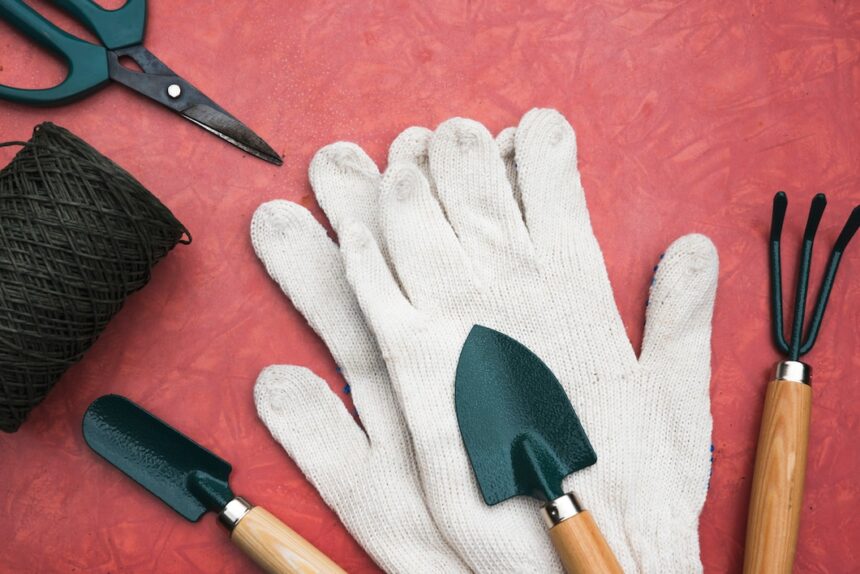
Starting a small-scale farm requires careful planning and the right set of tools. Choosing the proper equipment improves efficiency, reduces labor, and protects your crops and livestock. Here is a detailed guide to the essential toolkit every new farmer should consider.
1. Hand Tools
Hand tools are the foundation of any small-scale farm. They are versatile, low-cost, and necessary for daily tasks. Key tools include:
- Spade and shovel: For digging, planting, and moving soil or compost.
- Hoe: For weeding, soil aeration, and shaping planting beds.
- Rake: For leveling soil, collecting debris, and preparing seedbeds.
- Pruning shears: For trimming shrubs, fruit trees, and small branches.
- Wheelbarrow: For transporting soil, compost, tools, and harvested crops.
2. Irrigation and Water Management Tools
Reliable water management is critical for crop growth. Small-scale farmers should invest in:
- Hoses and sprinklers: For distributing water evenly across garden plots.
- Watering cans: For precise watering of seedlings or potted plants.
- Soaker hoses or drip irrigation kits: To conserve water and reduce evaporation.
- Rainwater harvesting system: To store water during the rainy season and reduce dependency on municipal water.
3. Soil and Fertility Tools
Healthy soil is the backbone of productive farming. Tools for managing soil and nutrients include:
- Soil test kit: To measure pH, nutrients, and soil health.
- Compost bin or tumbler: To produce organic fertilizer from farm waste.
- Spreader: For even distribution of fertilizers or soil amendments.
- Garden fork: To loosen compacted soil and incorporate compost.
4. Crop Protection Equipment
Protecting plants from pests, diseases, and harsh weather is essential. Small-scale farmers need:
- Netting or row covers: To shield crops from birds and insects.
- Mulch and ground covers: To retain soil moisture and reduce weed growth.
- Sprayers: For applying organic or chemical pest control solutions safely.
- Fencing materials: To prevent livestock or wildlife from entering crop areas.
5. Livestock Management Tools (If Applicable)
For small-scale livestock farmers, proper equipment is critical for animal welfare:
- Feeding troughs and waterers: To provide clean food and water.
- Livestock fencing: To secure grazing areas and prevent escapes.
- Grooming tools: Brushes, hoof picks, and shears to maintain animal health.
- Portable shelters or housing materials: To protect animals from weather and predators.
6. Safety Gear
Safety should never be overlooked. Protective equipment prevents injuries and long-term health issues:
- Gloves: For handling tools, chemicals, and thorny plants.
- Boots: Waterproof and sturdy for working in wet or rough terrain.
- Eye and ear protection: When using power tools or spraying chemicals.
- Hats and sunscreen: To prevent sunburn and heat-related illness.
7. Record-Keeping and Planning Tools
Organized records help monitor farm performance and plan for future growth:
- Notebooks or farm management apps: To track planting dates, yields, and expenses.
- Measuring tools: Tape measures and scales for accurate record-keeping.
- Labeling supplies: Tags, markers, and signs for identifying crops and livestock.
Starting a small-scale farm requires more than land and enthusiasm. Having the right toolkit ensures efficiency, crop and livestock health, and long-term productivity. Prioritize essential hand tools, irrigation equipment, soil management tools, crop protection, safety gear, and record-keeping supplies. With proper planning and preparation, new farmers can establish a strong foundation for success.
Join 'Farmers Mag' WhatsApp Channel
Get the latest Farming news and tips delivered straight to your WhatsApp
CLICK HERE TO JOIN




