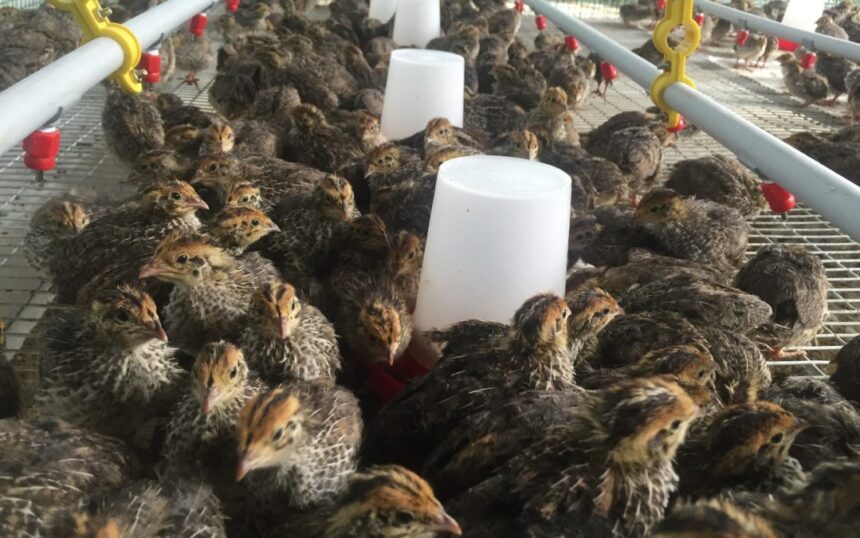
Urban farming is gaining traction as more people seek fresh, sustainable food sources in limited spaces. One of the most practical options for city dwellers is raising quails for eggs and meat. Quails are small, productive, and easy to manage, making them ideal for compact urban settings.
Quail farming requires minimal space compared to chickens. A small backyard, balcony, or rooftop can comfortably house a flock. Each bird needs only about 0.2 square meters, allowing up to five quails per square meter. This efficiency makes them perfect for people living in apartments or homes with limited outdoor areas.
Quails begin laying eggs at around six to eight weeks of age, much earlier than chickens. A healthy female can lay up to 300 eggs per year. The eggs are smaller but richer in nutrients, containing more iron, vitamin B12, and protein per gram than chicken eggs. Their delicate flavor has also gained popularity among chefs and health-conscious consumers.
In addition to egg production, quail meat is a growing niche in urban markets. It is lean, tender, and high in protein. Quails reach market weight in about six to eight weeks, offering a quick return for small-scale farmers. The fast turnaround time and low feed costs make them profitable even in tight spaces.
Setting up a quail farm requires simple infrastructure. You need wire cages or stacked enclosures, proper ventilation, and protection from predators. Feed can include commercial poultry pellets, supplemented with grains, vegetables, and clean water. Artificial lighting helps maintain steady egg production, especially during shorter days.
Cleanliness is critical. Regularly remove waste and sanitize cages to prevent disease. Quails are hardy, but overcrowding and poor hygiene can lead to health issues. Always provide dry bedding and ensure airflow in the housing area.
Marketing quail products is straightforward. You can sell fresh eggs and dressed meat directly to households, restaurants, and health stores. Some farmers also add value by pickling eggs or packaging them for gourmet markets. Local farmer’s markets and online platforms offer direct-to-consumer opportunities with minimal overhead.
Urban quail farming also aligns with sustainability goals. Quails consume less feed and water than larger poultry. Their waste can be composted into organic fertilizer for gardens. This closed-loop system supports eco-friendly living while reducing food miles and waste.
For beginners, start small with about 20 to 30 birds. Learn their behavior, feeding habits, and breeding cycles before scaling up. Once the system is stable, gradual expansion is easy and low-risk.
Raising quails for eggs and meat is a smart, space-efficient entry into urban farming. It delivers high nutritional value, low startup costs, and quick returns. With proper care and management, you can produce fresh, healthy food right from your backyard or balcony while contributing to urban food security.
Join 'Farmers Mag' WhatsApp Channel
Get the latest Farming news and tips delivered straight to your WhatsApp
CLICK HERE TO JOIN