Droughts continue to challenge livestock farmers across South Africa. When grazing conditions deteriorate and water becomes scarce, feed costs rise sharply. Managing those costs effectively can determine whether a farm stays profitable or struggles to survive. Careful planning, smart resource use, and early decision-making are essential to reduce losses and maintain animal health.
Assess Your Feed Resources Early
Start by evaluating the feed you have available. Measure hay, silage, crop residues, and stored feed. Compare it to your livestock’s needs for the next six months. Knowing your deficit early helps you act before prices rise. Farmers who assess feed inventories in the early stages of drought can secure feed at lower costs or adjust herd sizes in time.
Prioritize and Cull Strategically
Not all animals have equal value during a drought. Identify unproductive, older, or less profitable animals and sell them early. This reduces pressure on feed resources and frees up cash to maintain your core breeding herd. Strategic culling allows you to preserve your best genetics while cutting overall feeding costs.
Use Drought-Resistant Forage and Crops
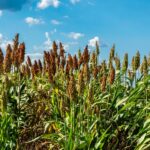
Grow or buy forage that can handle dry conditions. Lucerne, sorghum, lablab, and cowpeas are examples of drought-tolerant crops that provide reliable feed. They also improve soil fertility and require less irrigation. Farmers in dry regions like the Northern Cape and Free State have seen good results using sorghum silage mixed with crop residues.
Maximize Use of Crop Residues
Crop residues such as maize stover, wheat straw, or groundnut haulms can be valuable feed sources when treated correctly. You can increase their nutritional value by adding molasses or urea-based supplements. This helps livestock maintain body condition when quality pasture is unavailable. Always test residues for contaminants or mold before feeding.
Invest in Feed Supplements Wisely
Protein and energy supplements are critical during drought but can be expensive. Focus on targeted supplementation rather than full feeding. Provide protein licks to stimulate grazing and improve digestion of low-quality forage. For cattle, 300 to 500 grams of a high-protein lick per animal per day can maintain condition and reduce total feed use.
Store and Preserve Feed in Good Seasons
Feed conservation should be part of every farmer’s long-term drought strategy. Produce and store surplus feed during wet years. Silage, hay bales, and dry fodder reserves act as insurance when drought strikes. Using proper storage methods prevents spoilage and ensures quality feed is available when markets tighten.
Adopt Rotational Grazing Systems
Rotational grazing helps protect veld condition and improves forage recovery. Divide your grazing land into paddocks and move animals regularly. This prevents overgrazing and keeps vegetation resilient. Even during dry periods, managed grazing ensures better use of available forage and reduces the need for costly purchased feed.
Use Alternative Feed Sources
During severe droughts, explore unconventional feed materials that are locally available and affordable. Examples include brewers’ grains, fruit pulp, vegetable waste, and poultry litter (for ruminants only under supervision). Work with an animal nutritionist to ensure proper balance and avoid harmful residues.
Plan for Water Efficiency
Water and feed management go hand in hand. A shortage of water reduces feed intake and digestion efficiency. Install water-saving systems such as boreholes, storage tanks, and solar pumps to ensure consistent supply. Clean, cool water improves feed utilization and overall animal performance.
Collaborate and Buy in Bulk
Form feed cooperatives with nearby farmers to buy feed in bulk and reduce transport costs. Shared logistics lower expenses, and collective planning improves access to suppliers. During recent droughts, many farmer associations in the Eastern Cape and KwaZulu-Natal used group purchasing to stabilize costs and share transport.
Seek Support and Training
Government agencies and farmer organizations often provide drought-relief feed subsidies or technical support. Contact your provincial Department of Agriculture to access programs. Training sessions and drought management workshops help farmers learn better feeding strategies and improve financial planning.
Managing feed costs during drought requires early preparation, discipline, and adaptability. Prioritize your core herd, use local feed resources efficiently, and invest in storage and drought-tolerant forage. Every decision you make before and during a drought shapes your farm’s long-term survival. With careful management, you can protect your animals, control costs, and keep your operation sustainable even in tough seasons.
Join 'Farmers Mag' WhatsApp Channel
Get the latest Farming news and tips delivered straight to your WhatsApp
CLICK HERE TO JOIN