

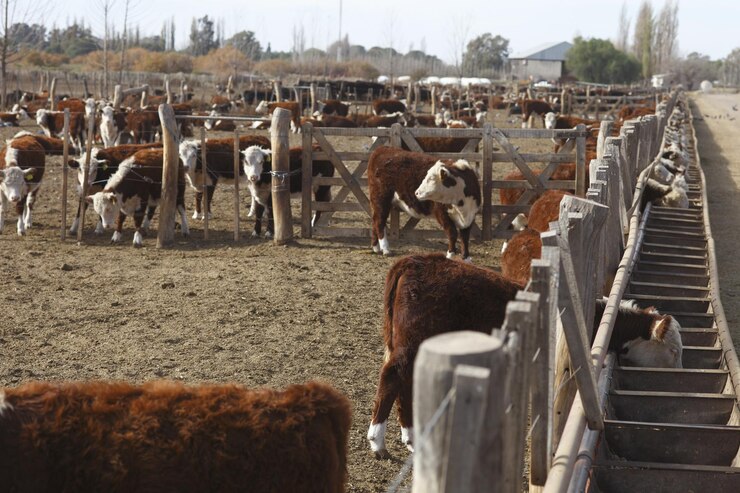
Proper livestock management begins with well-designed kraals and handling facilities. These structures improve animal welfare, reduce stress, and increase productivity while ensuring the safety of both animals and farmers. Effective designs also make routine tasks like feeding, watering, vaccination, and transport easier and more efficient.
Designing Livestock Kraals
A kraal should provide adequate space, shelter, and ventilation for animals. The size depends on the number and type of livestock. Overcrowding can lead to disease, stress, and injuries, while too much space may make management difficult.
- Space Requirements: Ensure sufficient space per animal based on species and age. For example, adult cattle require more space than calves.
- Shelter: Kraals should protect animals from harsh weather, including sun, wind, and rain. Roofed areas or shade structures are essential in regions with high temperatures or heavy rainfall.
- Fencing: Durable and secure fencing prevents escapes and protects livestock from predators. Materials like treated wood, metal, or strong wire mesh are recommended. Gates should be wide enough to allow smooth movement of animals.
- Flooring and Drainage: Well-drained floors prevent waterlogging and mud build-up, reducing hoof problems and maintaining hygiene. Concrete, gravel, or compacted soil with drainage channels works best.
Livestock Handling Facilities
Handling facilities reduce stress and injury during routine operations such as weighing, vaccination, or loading. A well-planned system includes pens, chutes, and races that guide animals efficiently.
- Holding Pens: These allow farmers to group animals before handling. Pens should have solid sides to reduce distractions and calm livestock.
- Chutes and Races: These narrow passageways guide animals to handling areas. Curved designs take advantage of animals’ natural behaviour, encouraging movement without force.
- Loading Ramps: Ramps should have non-slip surfaces and gentle slopes to prevent injury during loading or unloading.
- Working Pens: Include areas for veterinary treatment, branding, or tagging. Ensure enough space for staff to move safely and work efficiently.
Animal Welfare and Safety
Proper kraal and facility design directly impacts animal welfare. Stress-free handling improves growth, reproduction, and overall health. Safe designs protect farmers, reduce accidents, and minimise labour requirements.
Maintenance and Hygiene
Regular cleaning and maintenance of kraals and handling facilities prevent disease outbreaks. Remove manure, disinfect surfaces, and inspect fences, gates, and chutes for wear and tear. Good hygiene also improves productivity and ensures livestock remain healthy.
Investing in effective kraals and handling facilities is essential for any livestock operation. Well-designed structures improve animal welfare, reduce stress, and increase farm efficiency. By considering space, shelter, flooring, and handling systems, farmers can manage livestock safely and sustainably, ensuring long-term productivity and profitability.
Join 'Farmers Mag' WhatsApp Channel
Get the latest Farming news and tips delivered straight to your WhatsApp
CLICK HERE TO JOIN




