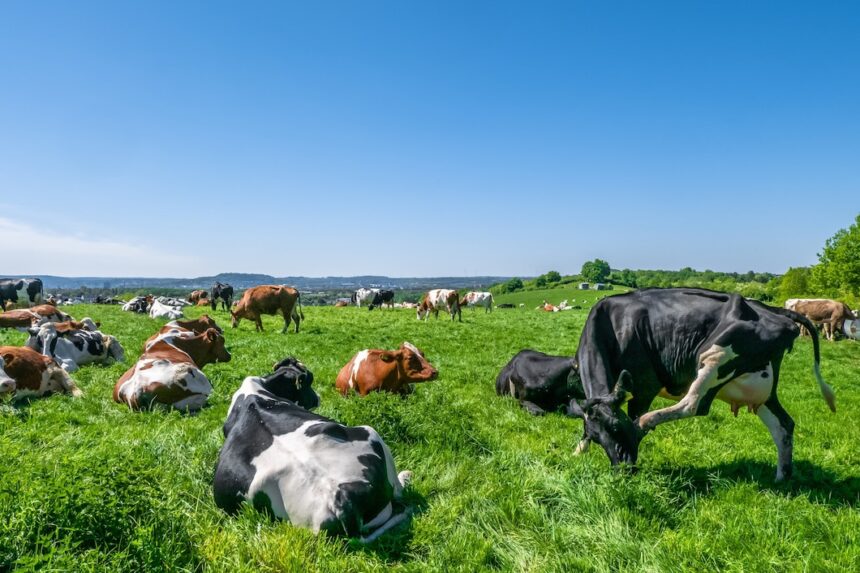
Cattle loss remains a significant challenge for South African farmers, impacting both smallholders and commercial operations. Factors such as theft, disease, and environmental stress contribute to these losses. However, innovative solutions are emerging to mitigate these risks and enhance livestock management.
1. GPS Tracking for Theft Prevention
The adoption of GPS tracking devices has proven effective in reducing cattle theft. These devices allow farmers to monitor livestock movements in real-time, enabling prompt responses to unauthorized movements. Studies indicate that the likelihood of smallholder farmers adopting GPS tracking devices depends on factors like awareness, the severity of theft, and access to technology.
2. Advanced Identification Technologies
Traditional methods of cattle identification, such as ear tags and branding, are being supplemented with advanced technologies. Muzzle-based identification systems, utilizing artificial intelligence, offer a non-invasive and tamper-proof alternative. These systems analyze unique muzzle patterns to identify cattle with high accuracy, aiding in theft prevention and insurance claims.
3. IoT-Based Livestock Monitoring
Internet of Things (IoT) technology enables continuous monitoring of cattle health and behavior. Wearable sensors collect data on vital signs, activity levels, and feeding patterns. This information helps farmers detect early signs of illness, optimize feeding practices, and improve overall herd management.
4. Drones for Surveillance and Monitoring
Drones equipped with cameras and thermal imaging are being used for aerial surveillance of cattle herds. They provide a comprehensive view of large grazing areas, allowing farmers to spot potential issues such as predators, injured animals, or fencing breaches. This proactive approach enhances security and animal welfare.
5. Biosecurity Initiatives
Implementing biosecurity measures is crucial in preventing disease outbreaks. Programs focusing on herd health, traceability, and vaccination protocols help maintain cattle health and reduce the spread of infectious diseases. These initiatives are particularly beneficial for smallholder farmers with limited resources.
6. Genetic and Breeding Innovations
Advancements in genetics and breeding technologies allow farmers to develop cattle that are more resilient to diseases and environmental stresses. By selecting for traits such as disease resistance and heat tolerance, farmers can build more robust herds, leading to reduced mortality rates and improved productivity.
7. Integrated Livestock and Wildlife Management
In areas where livestock share land with wildlife, integrated management strategies are being employed. These approaches aim to minimize conflicts and reduce losses due to predation or disease transmission between species. Collaborative efforts between farmers and conservationists are essential for the success of these programs.
Reducing cattle loss in South Africa requires a multifaceted approach that combines traditional practices with modern technology. By embracing innovations such as GPS tracking, advanced identification systems, IoT monitoring, and biosecurity measures, farmers can enhance the security and health of their herds. Continued investment in research and technology will further empower farmers to mitigate risks and ensure the sustainability of livestock farming in the country.
Join 'Farmers Mag' WhatsApp Channel
Get the latest Farming news and tips delivered straight to your WhatsApp
CLICK HERE TO JOIN