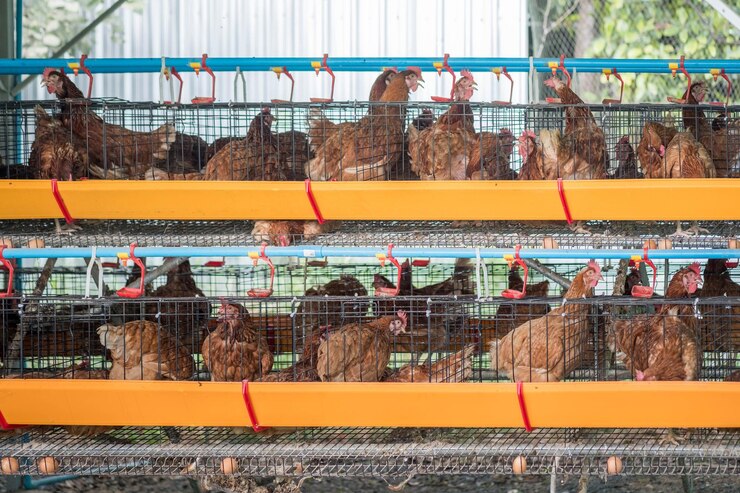
Chicken farming is a major contributor to South Africa’s agricultural economy, providing a significant source of protein for households and supporting the livelihoods of thousands of farmers. As the industry grows, producers face a key decision: whether to raise chickens in caged systems or free-range environments. Each method has advantages and disadvantages that affect productivity, animal welfare, and market value. Consumers are increasingly aware of the conditions under which chickens are raised, influencing demand and shaping the future of poultry farming. Understanding the differences between these systems can help farmers make informed choices and guide consumers toward products that meet their expectations.
Caged Systems: Efficiency and Control
Caged systems, particularly battery cages, are common in South Africa’s commercial poultry industry. Chickens are housed in small, controlled spaces, making feeding, watering, and health monitoring more efficient. This setup allows farmers to maintain consistent egg production and reduces the risk of disease spreading across the flock. Labor costs are lower because chickens require less space and management is simpler.
The primary disadvantage of caged systems is the impact on animal welfare. Chickens cannot perform natural behaviors like dust bathing, scratching, or foraging. This restriction can cause stress, weaker bones, and other health problems. Rising consumer concern over animal welfare is putting pressure on the industry to improve living conditions, and some retailers are starting to prefer products from higher welfare systems.
Free-Range Systems: Ethical and Marketable
Free-range farming allows chickens to move outdoors, forage, and engage in natural behaviors. This system can improve bird health by reducing stress and promoting stronger immune systems. Free-range chickens often produce eggs and meat with characteristics that appeal to certain market segments, including richer flavor and firmer texture.
Free-range products typically command higher prices. South African consumers are increasingly willing to pay a premium for ethically produced meat and eggs. However, free-range systems require more land, careful management, and protection against predators and environmental risks. Production per bird may be lower due to increased activity and exposure to weather and disease.
Regulatory Landscape in South Africa
The Southern African Poultry Association provides a Code of Practice for both caged and free-range systems. These guidelines cover housing, feed, disease management, and welfare standards. Compliance ensures that farmers meet safety and ethical requirements, building trust with consumers and maintaining the integrity of the industry.
Economic Considerations
Caged systems are capital-intensive initially but can achieve high production with lower ongoing labor costs. Free-range systems can be profitable due to higher market prices, but they require investment in land, fencing, shelters, and careful feed management. Feed costs remain the largest expense in both systems, and careful planning is essential to maintain profitability.
The choice between free-range and caged chicken farming in South Africa depends on production goals, ethical values, and market demand. Caged systems offer efficiency and predictable output, making them suitable for large-scale commercial operations. Free-range systems support animal welfare and cater to a growing market of ethically minded consumers. Both systems can succeed if managed effectively, but farmers must balance costs, productivity, and consumer expectations. By understanding the strengths and limitations of each method, South African poultry farmers can make informed decisions that support both business sustainability and the welfare of their flocks.
Join 'Farmers Mag' WhatsApp Channel
Get the latest Farming news and tips delivered straight to your WhatsApp
CLICK HERE TO JOIN