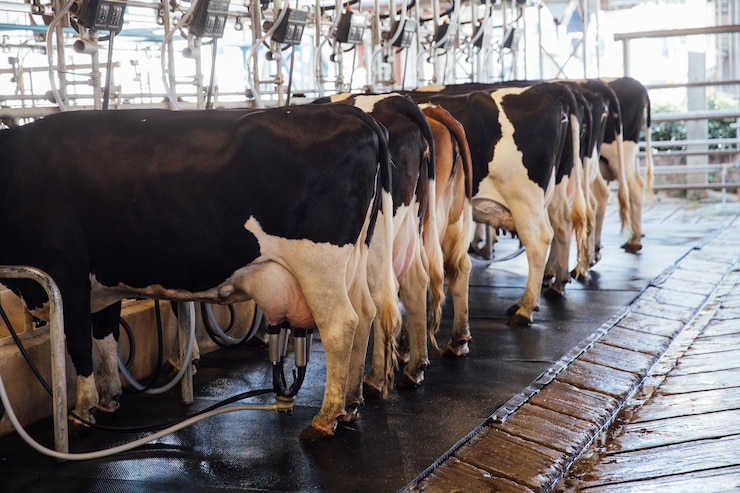
Organic milk farming in South Africa is evolving. Consumer demand for healthier, chemical-free products is rising. Smallholder farmers are exploring organic methods as a viable alternative to conventional dairy farming. However, challenges remain.
Market Demand and Growth
The organic food market in South Africa is expanding. Between 2022 and 2026, the sector is projected to grow at a compound annual growth rate (CAGR) of 10%. This growth is driven by increased consumer awareness of health and environmental benefits associated with organic products .
Challenges in Organic Milk Production
Transitioning to organic dairy farming presents several challenges:
- Certification Costs: Obtaining organic certification requires significant investment in time and resources.
- Market Access: Securing stable buyers for organic milk can be difficult, especially for smallholder farmers.
- Production Costs: Organic farming often involves higher input costs and lower yields compared to conventional methods .
Opportunities for Smallholder Farmers
Despite challenges, smallholder farmers have opportunities in organic milk production:
- Premium Pricing: Organic products can command higher prices in the market.
- Export Potential: There is growing international demand for organic dairy products, particularly in Europe and the United States .
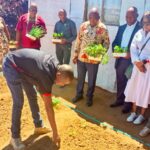
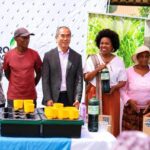
- Support Programs: Initiatives like the Agricultural Sustainable Community Investment Programme (Agri-SCIP) provide support for smallholder farmers entering the organic sector .
Technological Advancements
Technology plays a crucial role in organic dairy farming:
- Precision Agriculture: Tools like soil sensors and drones help optimize resource use and monitor crop health.
- Blockchain: Enhances traceability and transparency in the organic supply chain.
- Mobile Platforms: Provide farmers with access to information and markets, facilitating better decision-making .
Policy and Institutional Support
Government and institutional support is vital for the growth of organic milk farming:
- Regulatory Frameworks: Clear guidelines and standards for organic certification are essential.
- Financial Incentives: Subsidies and grants can offset the initial costs of transitioning to organic farming.
- Training Programs: Educating farmers on organic practices ensures successful implementation and sustainability .
The future of organic milk farming in South Africa holds promise. With increasing market demand, technological advancements, and supportive policies, smallholder farmers can capitalize on the opportunities in the organic dairy sector. However, addressing challenges such as certification costs and market access is crucial for sustainable growth.
Join 'Farmers Mag' WhatsApp Channel
Get the latest Farming news and tips delivered straight to your WhatsApp
CLICK HERE TO JOIN