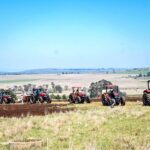
The agricultural sector is experiencing a technological renaissance as the latest innovations in tractors and farm machinery are transforming the way farmers operate. Modern equipment is becoming smarter, more efficient, and environmentally friendly—helping farmers increase productivity while reducing costs and environmental impact. These advancements are vital to meeting the growing global demand for food in a sustainable manner.
Smart and Autonomous Tractors
One of the most exciting developments is the rise of autonomous tractors equipped with advanced sensors, GPS guidance, and artificial intelligence (AI). These driverless machines can perform field operations such as plowing, planting, and harvesting with minimal human intervention. Companies like John Deere, Case IH, and Fendt are leading the charge, offering models that can operate around the clock with high precision.
Smart tractors use GPS and IoT (Internet of Things) connectivity to navigate fields accurately, reducing overlaps and missed spots. This precision farming approach minimizes input waste—such as seeds, fertilizers, and fuel—cutting costs and environmental footprints.
Electric and Hybrid Farm Machinery
Sustainability concerns have spurred innovation in electric and hybrid tractors and machinery. Electric tractors produce zero emissions, operate quietly, and have lower maintenance needs compared to diesel-powered models. While still emerging, companies like Monarch Tractor and Solectrac are pioneering electric tractors suitable for various farm sizes.
Hybrid tractors combine internal combustion engines with electric motors, offering improved fuel efficiency and reduced emissions. This technology is particularly beneficial in regions with strict environmental regulations or high fuel costs.
Advanced Precision Agriculture Tools
Modern farm machinery now integrates precision agriculture tools such as multispectral cameras, LiDAR, and soil sensors. These technologies enable real-time monitoring of crop health, soil moisture, and nutrient levels. For example, drones equipped with cameras can scan fields to detect pest infestations or nutrient deficiencies early, allowing targeted interventions.
Planters and sprayers with variable-rate technology adjust seed planting density or chemical application on the go, optimizing input use based on specific field conditions. This smart resource management improves yields and reduces environmental impact.
Robotics and Automated Attachments
Beyond tractors, robotic machines are making inroads in tasks like weeding, harvesting, and milking. Robotic weeders use machine vision and AI to identify and remove weeds selectively, cutting herbicide use dramatically. Automated harvesters equipped with sensors and AI can pick fruits and vegetables with minimal damage and high efficiency.
Attachments and implements are also becoming more sophisticated, with features like automatic depth control, foldable designs for easy transport, and integrated data collection to assist farm management decisions.
Connectivity and Data Management
The latest tractors and farm machinery are designed to be part of a connected farm ecosystem. They can communicate with farm management software, providing farmers with valuable data to plan activities, track equipment performance, and manage labor efficiently.
Cloud-based platforms allow remote monitoring and diagnostics, reducing downtime by enabling timely maintenance. This connectivity supports decision-making and enhances overall farm productivity.
Challenges and Future Outlook
While these innovations offer tremendous benefits, adoption faces challenges including high initial costs, the need for technical skills, and infrastructure limitations like rural internet connectivity. However, as technology becomes more affordable and user-friendly, widespread adoption is expected.
The future points toward fully integrated, AI-driven farms where tractors and machinery operate autonomously, sustainably, and in harmony with nature. Farmers who embrace these technologies will be well-positioned to meet global food demands while preserving environmental health.
The latest innovations in tractors and farm machinery are reshaping agriculture by increasing efficiency, reducing environmental impacts, and empowering farmers with data-driven insights. From autonomous vehicles to electric powertrains and precision tools, modern equipment is vital for sustainable farming’s future. Staying informed and adopting these technologies can give farmers a competitive edge in an ever-evolving industry.
Join 'Farmers Mag' WhatsApp Channel
Get the latest Farming news and tips delivered straight to your WhatsApp
CLICK HERE TO JOIN