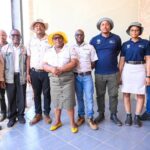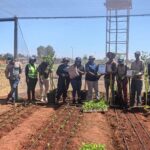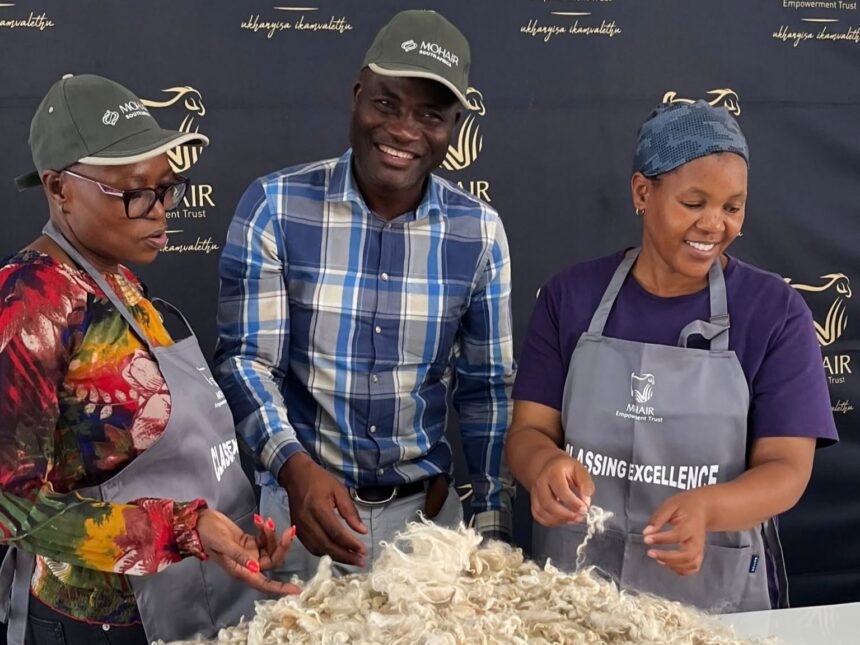
The Mohair Empowerment Trust (MET) has strengthened agricultural skills development in South Africa by hosting its annual Mohair Classing and Angora Goat Judging training at Fort Cox Agriculture and Forestry Training Institute. The training welcomed 21 second-year Animal Production students, giving them practical experience in Angora goat management, fleece assessment and mohair classification. Facilitated by MET Manager Beauty Mokgwamme, the programme connected classroom knowledge with hands-on activities designed to prepare students for careers in agriculture and the mohair industry. Participants learned how to handle and assess Angora goats, evaluate fleece quality and identify the characteristics that influence the commercial value of mohair. The initiative reflects MET’s commitment to developing agricultural skills, supporting emerging farmers, promoting animal welfare and strengthening the long-term sustainability of South Africa’s mohair industry. By investing in the next generation of agricultural professionals, the training also helps build the knowledge and expertise needed to maintain quality standards in a globally recognised natural fibre sector.
Angora goats play an important role in South Africa’s agricultural industry because they produce mohair, a natural animal fibre valued for its softness, lustre and distinctive appearance. Mohair is used in a range of textile products, including clothing, upholstery, furnishings and other premium fabrics. The quality of the fibre influences how it can be processed and the types of products for which it is suitable. For this reason, effective Angora goat management and accurate mohair assessment are important parts of maintaining a competitive industry. Farmers and industry professionals need a sound understanding of animal health, fleece characteristics and the factors that affect fibre quality. Training programmes such as the one hosted by MET help introduce these principles to students who may contribute to livestock production, agricultural extension and fibre marketing in the future.
The practical component of the training gave students an opportunity to work directly with Angora goats and apply their knowledge in a farm-based setting. Handling livestock correctly is an essential skill for anyone working in animal production because it supports safe management and reduces unnecessary stress on animals. Students also explored how to assess the physical characteristics of Angora goats, including their conformation and the condition of their fleece. Conformation refers to the animal’s physical structure, which can influence its suitability for particular production purposes. Fleece assessment requires attention to the appearance and condition of the mohair, helping students understand the relationship between animal management and fibre production. By practising these skills, participants gained experience in evaluating livestock and identifying characteristics that matter to farmers and the wider mohair value chain.
Mohair classing was another central element of the programme. Classing involves sorting and grouping mohair according to relevant fibre characteristics so that similar types can be handled and marketed appropriately. Fibre fineness is an important consideration because it affects the texture and potential uses of the final product. Fibre length, style and character also influence how mohair is assessed and valued. Students learned how these qualities contribute to differences between fibre lots and why accurate classification matters to producers, processors and buyers. Developing a clear understanding of mohair classing can help future agricultural professionals recognise quality differences and communicate more effectively with farmers and industry stakeholders.
The commercial value of mohair depends on several characteristics, including fibre diameter, length, uniformity, lustre and overall condition. Finer fibres are generally associated with softer textile products, while other fibre types may be suitable for different manufacturing purposes. Fibre length and uniformity can influence processing efficiency, while style and character help distinguish the physical qualities of a fleece. Contamination, poor handling and inadequate storage can also affect fibre quality and reduce its suitability for certain markets. Students were introduced to the importance of understanding these characteristics in the context of international demand for natural fibres. This knowledge can help future agricultural professionals explain why good animal management, careful harvesting and accurate classing are important to the value of mohair produced in South Africa.
Animal welfare was also an important consideration in the practical training. Healthy Angora goats are essential to sustainable mohair production, making proper nutrition, suitable housing or shelter where needed, parasite control and routine health monitoring important parts of flock management. Responsible handling helps reduce stress during inspection and other management activities. Farmers also need to pay attention to fleece condition and signs of skin problems that may affect animal comfort and fibre quality. Students who understand these responsibilities are better prepared to support farming practices that balance productivity with animal well-being. Combining livestock assessment with mohair classification gives future professionals a broader understanding of how animal care and fibre quality are connected.
The participation of 21 second-year Animal Production students highlights the importance of practical learning in agricultural education. Classroom instruction provides essential concepts, but students also need opportunities to apply those concepts to real farming situations. Working with Angora goats and examining mohair can help them develop observation skills, technical confidence and a better understanding of livestock production systems. Practical training can also help students identify areas where they need further experience before entering the agricultural workforce. These opportunities are particularly valuable in specialised sectors such as mohair production, where knowledge of animal management and fibre grading must be applied carefully. By bringing industry-focused training into the learning environment, MET and Fort Cox Agriculture and Forestry Training Institute helped students connect their studies with the requirements of agricultural practice.
Skills development is especially important for the future of South Africa’s mohair industry, which depends on knowledgeable producers and professionals to maintain quality and respond to changing market requirements. Emerging farmers may need assistance understanding fleece quality, livestock management and the standards expected by buyers. Agricultural professionals with practical knowledge can help bridge this gap by providing guidance, demonstrating suitable techniques and supporting better decision-making on farms. Improved understanding of mohair classing can also help farmers recognise the value of producing and presenting fibre according to established industry requirements. However, training must be supported by continued learning and access to relevant technical advice if its benefits are to extend beyond the classroom. Programmes that develop practical skills can therefore contribute to a stronger knowledge base across the agricultural sector.
The Mohair Empowerment Trust’s annual training also reflects the broader importance of transformation and wider participation in agriculture. Developing technical expertise among students and emerging agricultural professionals can help expand access to specialised knowledge within the industry. Practical learning opportunities can prepare graduates to contribute to farming businesses, agricultural organisations and initiatives that support rural development. As the sector continues to respond to production challenges and changing market expectations, a skilled workforce will remain important to its long-term performance. Supporting students at an early stage of their careers can help establish a foundation for further professional development. MET’s investment in training therefore extends beyond a single event by contributing to the development of people who may support farmers and the mohair value chain in the years ahead.
The successful training at Fort Cox Agriculture and Forestry Training Institute also highlighted the value of cooperation between agricultural development organisations and training institutions. Educational institutions provide an environment where students can build their technical knowledge, while industry-focused organisations can contribute specialised expertise and practical experience. These partnerships help ensure that learning activities remain connected to the needs of agricultural producers and industry standards. The participation of the institute’s principal and team was acknowledged as an important contribution to making the training possible. Such cooperation creates opportunities to strengthen relationships between education and industry while exposing students to specialised areas of animal production. Continued collaboration can help expand access to practical agricultural training and support the development of a capable workforce.
The Mohair Empowerment Trust’s Mohair Classing and Angora Goat Judging training provided 21 second-year Animal Production students with valuable exposure to livestock assessment, animal welfare and fibre classification. Under the guidance of MET Manager Beauty Mokgwamme, the students explored how fleece fineness, length, style and character influence mohair quality and commercial value. The programme reinforced the importance of practical agricultural education, responsible Angora goat management and consistent mohair quality standards. It also demonstrated how partnerships between industry organisations and training institutions can support the development of future agricultural professionals. As South Africa continues to build on its position in the international mohair market, investing in skills and knowledge remains essential to supporting farmers and maintaining fibre quality. The training at Fort Cox represents a practical contribution to that goal and an encouraging step towards a skilled, inclusive and sustainable future for the South African mohair industry.
Join 'Farmers Mag' WhatsApp Channel
Get the latest Farming news and tips delivered straight to your WhatsApp
CLICK HERE TO JOIN