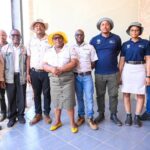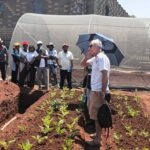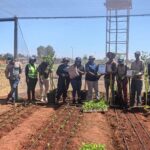

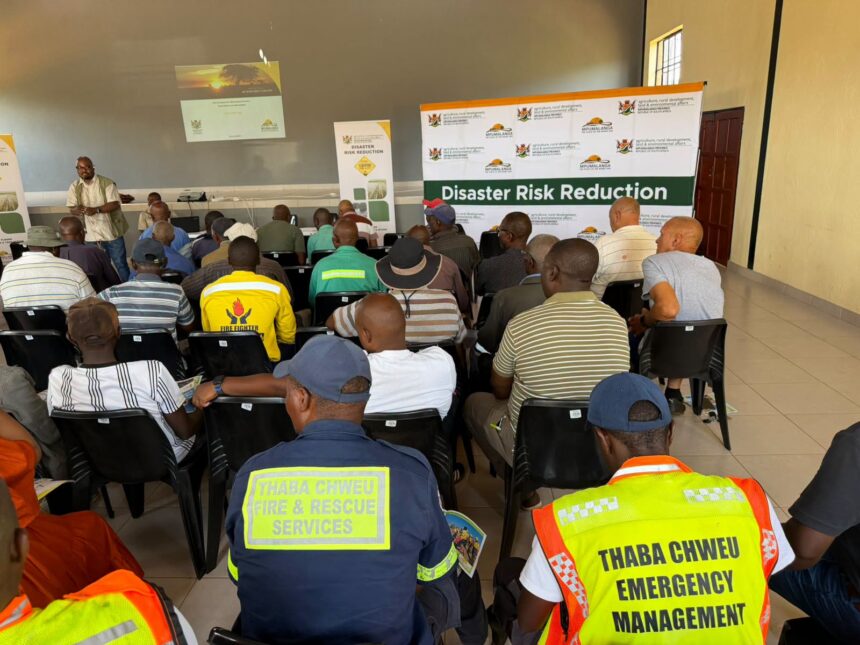
Farmers in the Thaba Chweu Local Municipality have been urged to prepare for the potential effects of El Niño, with particular attention to hotter and drier conditions, below-normal summer rainfall and an increased risk of wildfires. The warning was shared during a Veld and Fire Management awareness session hosted by the Disaster Risk Reduction Unit at Moremela Community Hall. The session aimed to equip farmers with practical knowledge and skills to reduce climate-related risks, protect their agricultural enterprises and strengthen their ability to adapt to changing weather conditions. Representatives from the Mpumalanga Tourism and Parks Agency (MTPA), the Kruger to Canyons Biosphere Region and the municipality’s Fire and Rescue Services participated in the information-sharing session. Farmers were encouraged to establish and maintain firebreaks and consider joining the Lowveld and Escarpment Fire Protection Association (LEFPA) to improve cooperation and response during wildfire incidents. The engagement highlighted the importance of early preparation, responsible veld management and coordinated action in protecting farms, livestock, crops and rural communities from climate-related threats.
El Niño is a natural climate phenomenon associated with changes in ocean temperatures in the central and eastern tropical Pacific Ocean. It can influence weather patterns in different parts of the world, including rainfall and temperature conditions in southern Africa. Its effects vary between events, locations and seasons, so below-normal rainfall is a risk rather than a guaranteed outcome for every farming area. Nevertheless, the possibility of hotter and drier conditions makes early preparation important for farmers in Thaba Chweu and surrounding areas. Reduced rainfall can affect soil moisture, grazing availability, water supplies and crop development, placing additional pressure on farming operations. Farmers should therefore follow updated seasonal forecasts and local weather advisories while preparing practical measures to manage possible drought conditions.
For crop farmers, prolonged dry spells and high temperatures can create difficult growing conditions, particularly when crops depend on consistent rainfall during important stages of development. Insufficient soil moisture can affect germination, plant growth and yields, while heat stress may increase water demand and reduce crop performance. Farmers can manage some of these risks by selecting crops and varieties suited to local conditions, planning planting dates carefully and improving soil moisture conservation. Practices such as retaining suitable crop residues, reducing unnecessary soil disturbance and managing weeds can help limit moisture losses in some production systems. Where irrigation is available, farmers should assess water supplies and use available water efficiently. These measures cannot eliminate the effects of drought, but they can help producers reduce avoidable losses and make better use of limited resources.
Livestock farmers also need to prepare for the possible effects of hotter weather and reduced rainfall. Dry conditions can reduce grazing growth and limit the availability of natural feed, forcing farmers to rely more heavily on supplementary feeding. Water sources may also come under pressure, making it important to monitor dams, boreholes, troughs and other supplies throughout the season. Farmers should assess the condition of their livestock regularly and plan for periods when grazing may not meet animals’ nutritional requirements. Appropriate stocking decisions, planned grazing and the conservation of suitable feed can help reduce pressure on available resources. Early preparation is especially important because buying feed or arranging alternative water supplies during a crisis may be more difficult and expensive than planning ahead.
The Veld and Fire Management awareness session also drew attention to the dangers of wildfires during hot, dry and windy conditions. Dry grass, leaves and other vegetation can provide fuel that allows fires to spread quickly across open land. Wildfires can destroy grazing, damage fences and farm infrastructure, threaten livestock and endanger homes and people. Smoke may also affect visibility on roads and create health risks for nearby communities. Farmers who understand local fire risks can take preventive steps before the fire season intensifies. Effective veld and fire management is therefore an essential part of protecting agricultural production and maintaining the safety of rural communities.
One of the key recommendations shared with farmers was the establishment and maintenance of firebreaks. A firebreak is a strip of land where vegetation or other combustible material has been removed or reduced to help slow the spread of a fire and provide access for firefighting activities. Its effectiveness depends on its location, width, condition, surrounding vegetation and the weather during a fire. Farmers should plan firebreaks according to the characteristics of their properties and comply with applicable legal requirements and local fire management guidance. Firebreaks also require regular inspection and maintenance because vegetation can regrow and reduce their effectiveness over time. Landowners should coordinate with neighbours where appropriate, as fire can cross property boundaries and a poorly planned break may provide limited protection during severe conditions.
Farmers were also encouraged to join the Lowveld and Escarpment Fire Protection Association, known as LEFPA, to strengthen cooperation during wildfire incidents. Fire protection associations can help landowners coordinate fire prevention activities, share information and improve communication when fires occur. Cooperation is important because wildfires do not stop at farm boundaries and may spread across several properties before emergency teams can contain them. Farmers who participate in organised fire management efforts may benefit from shared knowledge, local preparedness activities and clearer communication arrangements. Membership alone does not guarantee that a fire will be contained, but coordinated planning can help improve readiness and response. Farmers should contact the association directly to confirm membership requirements, available services and the procedures that apply in their area.
The involvement of the Mpumalanga Tourism and Parks Agency, the Kruger to Canyons Biosphere Region and the municipality’s Fire and Rescue Services added important perspectives to the awareness session. Managing veld fires requires cooperation between landowners, emergency services, conservation stakeholders and local communities. Fires can affect natural vegetation, wildlife habitats, agricultural land and infrastructure, making prevention a shared responsibility. Local authorities and relevant organisations can help communities understand fire risks, prepare for emergencies and improve communication during incidents. Farmers also contribute by maintaining their properties, reporting dangerous conditions and following appropriate fire safety practices. Information-sharing sessions provide an opportunity to strengthen these relationships and help participants understand how their individual actions contribute to wider community safety.
Climate change adaptation was another important consideration in the session’s objective of improving farmers’ resilience. Climate variability can expose agricultural businesses to several risks at once, including drought, heat stress, water shortages and increased fire danger. Preparing for these risks requires farmers to assess their operations, identify vulnerable areas and develop plans that can be adjusted as conditions change. Keeping records of rainfall, grazing conditions, water use and production performance can help farmers recognise patterns and improve future decisions. Access to reliable forecasts and agricultural advice can also support decisions about planting, livestock management and resource allocation. Building resilience is an ongoing process that involves reviewing farm practices and adjusting them to local conditions rather than relying on a single intervention.
Water conservation deserves particular attention when seasonal forecasts indicate the possibility of below-normal rainfall. Farmers can begin by checking for leaks, assessing storage capacity and identifying the most important water requirements across their operations. Improving irrigation efficiency, where applicable, can help reduce unnecessary water use and make supplies last longer. Rainwater harvesting may also be useful where suitable infrastructure, rainfall and storage arrangements make it practical. Livestock producers should ensure that water points remain functional and that animals have reliable access to clean drinking water. Careful planning can help reduce the risk of unexpected shortages and support better decisions if dry conditions persist. Farmers should also avoid assuming that a forecast guarantees drought, instead using it as a reason to review preparedness and monitor changing conditions.
The awareness session at Moremela Community Hall reinforced the value of sharing practical information before severe weather or fire emergencies occur. Farmers who understand the risks can take action earlier, potentially reducing damage to their land, livestock and infrastructure. Establishing firebreaks, maintaining firefighting readiness, planning for livestock feed shortages and managing water supplies are practical steps that can improve preparedness. Cooperation with neighbouring landowners and relevant organisations can further strengthen local response efforts. These actions are most effective when farmers review their plans regularly and adapt them to changing weather, vegetation and farm conditions. Continued engagement between local authorities, agricultural communities and fire management organisations can help ensure that preparedness remains a priority throughout the year.
The warning issued to farmers in Thaba Chweu highlights the importance of preparing for possible El Niño-related weather risks while strengthening wildfire prevention and climate resilience. The Disaster Risk Reduction Unit’s Veld and Fire Management awareness session brought together key stakeholders to share information and encourage practical action among farming communities. Farmers were advised to prepare for potentially hotter and drier conditions, protect their water and feed resources, establish and maintain firebreaks and consider joining LEFPA to improve cooperation during wildfire incidents. Although the actual effects of El Niño will depend on seasonal conditions, taking precautionary measures can help reduce exposure to avoidable losses. Strong planning, reliable weather information and cooperation between farmers and emergency services will remain essential to protecting agricultural livelihoods in the Thaba Chweu area. By acting early and managing risks responsibly, farmers can improve their readiness for difficult conditions and help safeguard the long-term sustainability of their farming enterprises.
Join 'Farmers Mag' WhatsApp Channel
Get the latest Farming news and tips delivered straight to your WhatsApp
CLICK HERE TO JOIN