As South Africa marks World Food Day on 16 October, the National Agricultural Marketing Council (NAMC) is highlighting the importance of building a more inclusive, sustainable and resilient red meat industry. Transforming the way food is produced, processed and distributed is essential to strengthening food security and ensuring that more people can participate in the agricultural economy. The red meat industry plays an important role in South Africa’s food system by connecting livestock farmers with processors, traders, retailers and consumers. Creating opportunities for historically disadvantaged farmers, young people and women can help strengthen this value chain while supporting rural livelihoods and economic development. Through collaboration, innovation and targeted support, the NAMC continues to encourage transformation that benefits the industry and contributes to a more secure food future for the country.
The NAMC advances agricultural transformation through its Transformation Review Committee, which oversees the implementation of the 20% transformation commitment by participating industries, including the red meat industry. This commitment is intended to support meaningful change in the agricultural sector and encourage broader participation in economic opportunities. Transformation involves more than increasing representation, as it also requires practical measures that improve access to resources, skills, finance and markets. For red meat producers, these opportunities can help address barriers that prevent smallholder and emerging farmers from expanding their operations and competing effectively. Continued monitoring and engagement are important to ensure that transformation commitments translate into tangible progress across the industry.
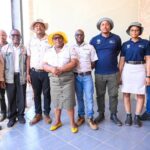
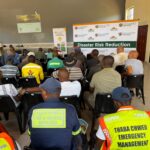
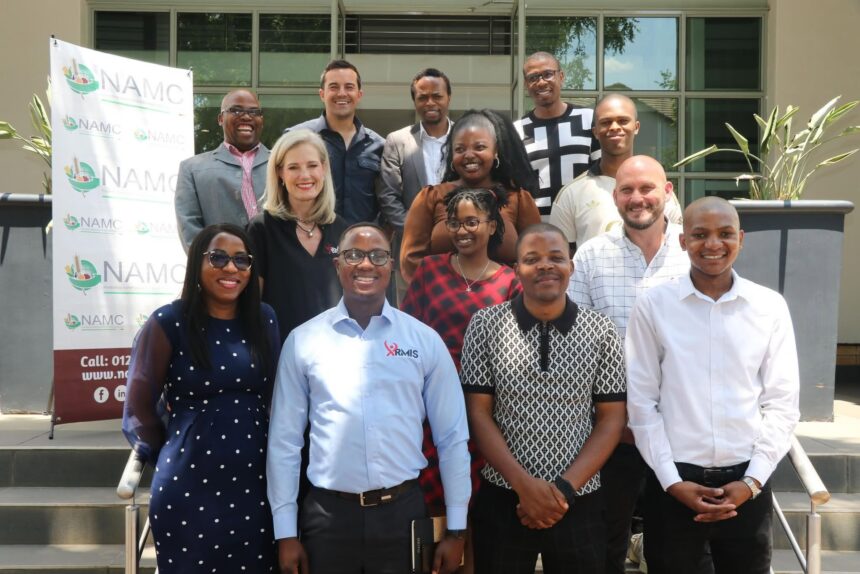
On 15 October 2026, the Red Meat Industry Transformation Meeting brought together key stakeholders to discuss current initiatives and strengthen cooperation on inclusive and sustainable industry development. Participants included representatives from the African Farmers Association of South Africa (AFASA), the National African Farmers Union of South Africa (NALFASA), the Red Meat Industry Services (RMIS), the NAMC and the Department of Agriculture (DoA). The meeting provided an opportunity to receive a presentation on work currently being undertaken and consider how stakeholders can work together to advance transformation throughout the red meat value chain. Bringing industry organisations, government representatives and farmer bodies into the same discussion helps identify shared priorities and areas where coordinated action is needed. Such engagement is essential to building practical solutions that support farmers while strengthening the competitiveness and long-term sustainability of the South African red meat industry.
Transformation across the red meat value chain must address the different stages involved in bringing meat from farms to consumers. Livestock production depends on access to suitable land, reliable infrastructure, animal health services, quality feed, appropriate technology and the knowledge needed to manage productive farming operations. Processing, marketing and retail also create opportunities for participation, employment and enterprise development beyond primary production. However, farmers need effective connections to these parts of the value chain if they are to benefit from growing market opportunities and receive fair returns for their products. Strengthening cooperation between producers, processors, marketers and retailers can help reduce barriers to participation and create a more accessible, efficient and competitive industry.
Smallholder and emerging livestock farmers remain an important focus of agricultural transformation because their success can contribute to rural development, employment and improved household incomes. Access to markets is particularly important, as producing quality livestock does not automatically guarantee a reliable buyer or a profitable price. Farmers may also face challenges related to transport, production costs, veterinary services, finance, infrastructure and compliance with market requirements. Targeted support can help address these constraints through training, business development, improved production practices and stronger links with buyers. By improving smallholder farmer support and market access, industry stakeholders can help more producers participate in formal value chains and build commercially sustainable farming businesses.
Technology and innovation are also central to building a more productive and competitive red meat industry. Appropriate technologies can help farmers improve livestock management, monitor animal health, manage resources more efficiently and make better-informed production decisions. Digital tools and improved market information can also help producers understand changing demand, track costs and plan their operations more effectively. However, innovation must be accessible and suited to the realities of farmers operating at different scales, particularly those with limited financial resources or infrastructure. Investment in practical technology, skills development and knowledge sharing can help close existing gaps while improving productivity and supporting long-term transformation.
Creating more employment opportunities for young people and women is another important priority for an inclusive agricultural economy. The red meat value chain offers potential roles in livestock production, animal health, processing, logistics, marketing, retail and agricultural technology. Young people can contribute new ideas and digital skills, while greater participation by women can help broaden the industry’s talent base and strengthen agricultural enterprises. Turning these opportunities into lasting employment requires access to training, mentorship, business support and pathways into meaningful work. By investing in skills and widening participation, the industry can support more inclusive economic growth while developing the expertise needed for future challenges.
Climate resilience is equally important because livestock production is exposed to changing weather conditions, droughts, heat stress and fluctuations in feed and water availability. Preparedness for climate risks, including El Niño, can help farmers anticipate potential pressure on grazing conditions, water supplies and livestock productivity. Practical measures may include better water management, careful grazing planning, suitable feed strategies and timely access to reliable weather information. Farmers also benefit when they can draw on appropriate technical advice and plan for changing conditions before they become emergencies. Strengthening climate preparedness across the red meat value chain can reduce vulnerability, protect livestock assets and support a more dependable supply of meat for South African consumers.
The red meat industry has also demonstrated its ability to mobilise resources in support of transformation. To date, the industry has leveraged more than R600 million against a transformation allocation of R40 million set aside for the levy cycle. This reported achievement highlights the importance of using available funding and industry partnerships to support broader transformation objectives. Mobilising resources can create opportunities for farmer development, skills training, enterprise growth and other initiatives that strengthen participation across the value chain. The long-term impact of such investment depends on how effectively the resources are directed, implemented and monitored. Continued collaboration and accountability can help ensure that transformation funding supports meaningful outcomes for farmers, workers and businesses.
World Food Day provides an important opportunity to reflect on the connection between agricultural transformation, food security and the future of South Africa’s food system. A stronger red meat industry can support food production, sustain livelihoods and create opportunities for people who have historically faced barriers to participation. Achieving these outcomes requires more than isolated projects, as lasting progress depends on cooperation between government, industry bodies, farmers and other value chain participants. The NAMC’s work through its Transformation Review Committee and engagement with stakeholders helps maintain focus on the commitments and practical changes needed to move the industry forward. By combining inclusive economic development with innovation, market access and climate preparedness, South Africa can strengthen the foundations of a more resilient agricultural sector.
Building a more inclusive and resilient red meat industry is a shared responsibility that requires sustained effort and a clear commitment to meaningful transformation. The Red Meat Industry Transformation Meeting held on 15 October 2026 reinforced the importance of collaboration in advancing opportunities across livestock production, processing, marketing and retail. Priorities such as technology adoption, youth and women’s employment, smallholder farmer support and climate resilience can help the industry respond to current challenges while preparing for future demands. Continued investment and effective implementation will be essential to turning these priorities into lasting progress. As South Africa reflects on World Food Day, the message is clear: transformation opens doors, innovation moves the industry forward and resilience helps secure a future in which the red meat value chain can contribute to feeding the nation.
Join 'Farmers Mag' WhatsApp Channel
Get the latest Farming news and tips delivered straight to your WhatsApp
CLICK HERE TO JOIN