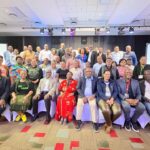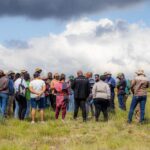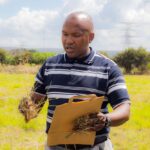
The Portfolio Committee, chaired by Hon. Sipho Dial, together with Chair of Chairs Hon. Tebogo Modise, conducted oversight visits in the Ramotshere Moiloa Local Municipality yesterday, accompanied by MEC Madoda Sambatha. The visit formed part of the Committee’s oversight responsibilities and focused on assessing the implementation of agricultural programmes on the ground. A key stop was the farm of Ms Mmabatho Maje, where the delegation assessed progress on the Foot-and-Mouth Disease (FMD) vaccination programme and the Crop Massification Project. The engagement brought the Committee into direct contact with departmental officials and beneficiaries involved in the programmes. The visit provided an opportunity to examine progress, identify challenges and understand the support being provided to farmers.
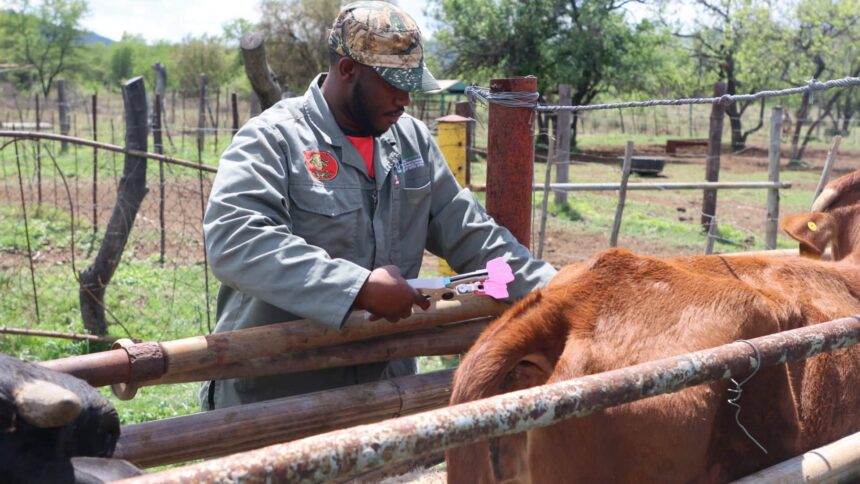
Foot-and-Mouth Disease remains an important concern for livestock farmers because the disease can affect cloven-hoofed animals such as cattle, sheep, goats and pigs. Effective disease control depends on appropriate veterinary measures, surveillance, movement controls and other interventions determined by the relevant animal health authorities. Vaccination can form part of an FMD control strategy in areas and circumstances where authorities implement vaccination programmes. During the oversight visit to Ms Maje’s farm, the Committee focused on assessing progress with the FMD vaccination programme and understanding how the intervention is being implemented among affected or targeted farming communities. Direct engagement with farmers and departmental officials allows oversight representatives to gain a clearer understanding of what is happening beyond programme reports and administrative records.
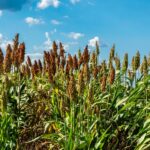
The visit also placed attention on the Crop Massification Project, another important area of agricultural development being assessed by the Committee. Crop production programmes can support farmers by strengthening agricultural activity, improving access to production support and creating opportunities for increased food production. However, the effectiveness of any agricultural programme depends on how well planned support reaches beneficiaries and whether farmers can overcome practical challenges during production. At the farm visit, Committee members engaged with beneficiaries to understand the progress of the project and the support they have received. These discussions can help identify where implementation is progressing well and where additional attention may be required.
Oversight visits are important because they provide an opportunity for public representatives to evaluate government programmes in the environments where they are being implemented. Reports and performance information can provide useful details, but direct interaction with beneficiaries can reveal practical issues that may not be immediately apparent in formal reporting. Farmers can explain challenges relating to production, programme implementation and access to support based on their actual experiences. Departmental officials can also provide information about the steps being taken to address identified challenges. This interaction gives the Committee a more complete picture of programme performance and helps strengthen accountability.
The presence of MEC Madoda Sambatha during the oversight visit further enabled engagement between political leadership, departmental officials and agricultural beneficiaries. Effective agricultural support requires coordination between government structures and the farmers who depend on agricultural programmes. Where challenges emerge, communication between beneficiaries and responsible authorities can help clarify responsibilities and identify possible solutions. The involvement of senior leadership also creates an opportunity to understand the broader policy and implementation context surrounding programmes such as FMD vaccination and crop development. Continued engagement can help ensure that concerns raised by farmers receive appropriate attention.
For livestock farmers, the progress of an FMD vaccination programme can have significant implications for animal health and farm operations. Disease outbreaks can create serious challenges for farmers and can affect the movement and management of livestock. Farmers therefore need clear information about vaccination activities and any applicable animal health requirements in their areas. Government veterinary and agricultural officials play an important role in implementing disease control measures and communicating relevant information to producers. The oversight visit provided an opportunity for the Committee to hear directly about the status of the vaccination programme and the experiences of those involved in its implementation.
Crop farmers face their own set of challenges, including access to appropriate production inputs, technical assistance, infrastructure and reliable farming conditions. A crop massification initiative needs to account for the practical realities of production if it is to deliver sustainable benefits to participating farmers. Progress must therefore be considered not only in terms of activities completed but also in terms of whether beneficiaries are receiving meaningful support. Engagement with farmers can help identify gaps between programme objectives and conditions on individual farms. This information can contribute to more responsive agricultural programme management.
The farm of Ms Mmabatho Maje provided a practical setting for the Committee to examine both livestock health interventions and crop production support. Bringing the oversight process directly to a beneficiary’s farm allows officials and Committee members to consider how government programmes operate in real agricultural conditions. It also gives farmers an opportunity to raise concerns and explain what is working from their perspective. Such engagements can help establish whether planned interventions are reaching intended beneficiaries and whether implementation challenges are being addressed. The information gathered during these visits can support further oversight and follow-up where necessary.
The Ramotshere Moiloa Local Municipality oversight visit also highlights the connection between agricultural development and rural livelihoods. Farmers depend on effective support systems to maintain production and respond to challenges that can affect their businesses and household incomes. Livestock disease control is important for protecting animal health, while crop development initiatives can support agricultural production and economic activity. These areas require consistent attention because farmers often face multiple challenges at the same time. Strong coordination between agricultural authorities and farming communities can help improve the delivery and effectiveness of support programmes.
The Committee’s engagement with departmental officials and beneficiaries was therefore significant because it focused on progress as well as challenges. Effective oversight should examine what has been achieved while also identifying barriers that may prevent programmes from reaching their intended outcomes. Questions about the availability and effectiveness of support, implementation challenges and the experiences of beneficiaries are central to this process. Farmers provide valuable practical insight because they experience the effects of agricultural programmes directly. Their feedback can help government structures better understand the conditions that influence programme performance.
The oversight visit in Ramotshere Moiloa demonstrates the value of taking agricultural accountability to the field. By visiting Ms Mmabatho Maje’s farm, the Portfolio Committee was able to assess progress on the FMD vaccination programme and the Crop Massification Project while engaging directly with those involved. The participation of Hon. Sipho Dial, Hon. Tebogo Modise and MEC Madoda Sambatha placed attention on both oversight and engagement with agricultural stakeholders. The discussions with departmental officials and beneficiaries provided an opportunity to examine achievements, challenges and the support reaching farmers. Continued monitoring and meaningful engagement will remain important to ensure that agricultural programmes respond effectively to the needs of farmers and contribute to stronger rural agricultural development.
Join 'Farmers Mag' WhatsApp Channel
Get the latest Farming news and tips delivered straight to your WhatsApp
CLICK HERE TO JOIN