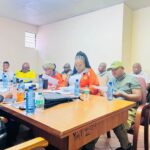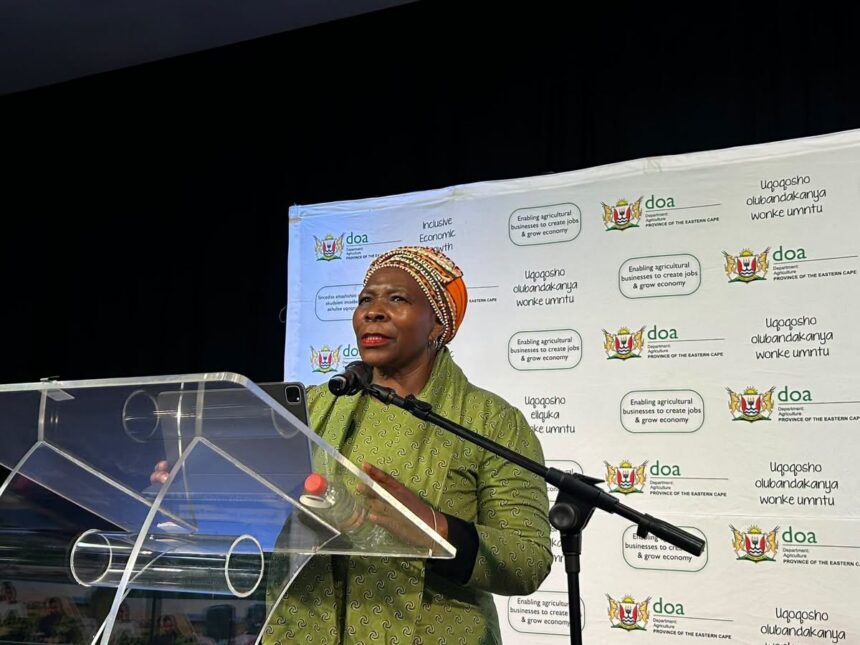
The Eastern Cape Department of Agriculture is convening its 2027/28 Strategic Planning Review Session at Ku-Gompo City in Buffalo City Metro, placing food security, agricultural development and economic growth at the centre of its planning discussions. The session provides an opportunity to review key agricultural initiatives and consider how they can be strengthened to deliver greater benefits to communities and the provincial economy. A major focus is resource mobilisation, which is essential for ensuring that agricultural programmes have the funding, infrastructure and other resources required for effective implementation. The department is also considering comprehensive support measures aimed at strengthening agricultural production and improving the ability of farmers and communities to participate in the economy. The planning process is therefore focused on turning strategic priorities into practical interventions that can contribute to sustainable agricultural development across the Eastern Cape.
Food security remains an important consideration in agricultural planning because productive and resilient food systems are essential for communities and the wider economy. The Eastern Cape has a diverse agricultural environment that includes different types of farming and rural production activities, creating a need for strategies that can respond to varied local conditions. Strengthening agricultural initiatives can support food production while creating opportunities for farmers and other participants in the agricultural value chain. Effective planning also requires attention to the resources needed to implement programmes and maintain their impact over time. By placing food security within its strategic planning process, the department can assess how agricultural initiatives can contribute to more reliable food production and stronger rural livelihoods.
Resource mobilisation is a central part of the 2027/28 Strategic Planning Review Session because agricultural programmes require sufficient resources to move from plans to implementation. Mobilising resources can involve strengthening the support available for agricultural initiatives and identifying ways to maximise the impact of available funding and other inputs. Farmers may require infrastructure, production support, technical assistance and access to opportunities that can help them develop sustainable operations. Strategic planning allows the department to consider these needs within a broader framework rather than treating individual agricultural challenges in isolation. A coordinated approach can help ensure that available resources support priorities that have the greatest potential to improve agricultural production, food security and economic participation.
Comprehensive agricultural support is another important element of the planning discussions. Farmers operate within a system where production, infrastructure, technical knowledge, markets and financial resources can all influence the performance of an agricultural enterprise. Addressing only one of these areas may not be sufficient to create sustainable improvements in production. The department’s strategic review therefore provides an opportunity to consider how different forms of support can work together to address the needs of farmers and agricultural communities. Stronger coordination between support measures can help create conditions in which agricultural producers can improve their productivity and participate more effectively in the agricultural economy.
The session also provides a platform to review existing agricultural initiatives and consider where improvements may be needed. Strategic planning reviews are important because they allow institutions to assess priorities, identify challenges and align future activities with broader development objectives. For the agriculture sector, this process can help ensure that programmes remain focused on practical outcomes such as increased production, improved food security and stronger economic opportunities. Reviewing initiatives can also help identify gaps in support and areas where resources may need to be redirected or strengthened. The process is therefore relevant not only to future planning but also to improving the effectiveness of agricultural interventions.
Agricultural development has an important role to play in supporting economic growth in the Eastern Cape. Farming can generate economic activity through production, processing, transportation, marketing and other activities linked to the agricultural value chain. When farmers have the resources and support needed to produce consistently, they can contribute to local markets and create opportunities for further economic participation. Strengthening agricultural enterprises can also help rural communities develop more sustainable sources of income. Strategic planning that connects food security with economic growth can therefore recognise agriculture as both a source of food and an important part of the provincial economy.
The focus on food security also highlights the need to strengthen local agricultural production. Local production can contribute to food availability while supporting farmers and other businesses involved in supplying agricultural products. The ability of communities to participate in food production can be influenced by access to land, water, infrastructure, production inputs, skills and markets. Strategic agricultural planning needs to consider these factors when developing interventions designed to improve food security. A comprehensive approach can help ensure that food security initiatives address the practical conditions that influence agricultural production.
The 2027/28 planning process can also help strengthen the connection between agricultural programmes and the needs of farmers. Farmers have different production systems, levels of experience and resource requirements, which means that support programmes need to respond to specific circumstances. Strategic reviews provide an opportunity to examine whether existing initiatives are reaching their intended beneficiaries and whether the support provided is appropriate to their needs. This can contribute to more targeted agricultural interventions and better use of public resources. Ensuring that agricultural planning remains connected to conditions on the ground is important for achieving measurable improvements in food production and rural economic development.
The location of the strategic planning session at Ku-Gompo City in Buffalo City Metro places the discussions within one of the Eastern Cape’s important urban and economic centres. Buffalo City Metro includes a mix of urban, peri-urban and surrounding rural economic activities, creating connections between agricultural production, markets and communities. Strategic discussions held in this environment can consider how agriculture interacts with wider economic development priorities. Stronger connections between producers and markets can help farmers access opportunities beyond primary production. These relationships are important when developing agricultural strategies that aim to contribute to both food security and economic growth.
The department’s emphasis on resource mobilisation also reflects the importance of building sustainable support for agricultural initiatives. Agricultural development often requires investment over time because infrastructure, production systems and farmer support cannot always deliver their full benefits through short-term interventions. Strategic planning can help identify priorities and establish a clearer basis for directing resources towards initiatives that support long-term agricultural objectives. It can also encourage greater attention to how different resources can complement one another. Effective resource mobilisation can therefore strengthen the department’s ability to implement agricultural programmes and support farmers in developing productive and sustainable operations.
Economic growth through agriculture also depends on strengthening participation throughout the agricultural value chain. Farmers need access to markets where they can sell their products, while other businesses provide services linked to inputs, transportation, processing and distribution. Improving these connections can increase the economic value generated by agricultural production and create additional opportunities for rural communities. The strategic planning review can provide a framework for considering how agricultural initiatives can support these broader value-chain relationships. This approach can help position agriculture as an integrated economic sector rather than focusing only on production at farm level.
The 2027/28 Strategic Planning Review Session comes at an important stage for the Eastern Cape Department of Agriculture as it considers how to strengthen its programmes and improve their contribution to provincial development. Its focus on food security, economic growth, resource mobilisation and comprehensive agricultural support reflects the interconnected nature of the challenges facing the sector. Effective implementation will require clear priorities, appropriate resources and support that responds to the practical needs of farmers and communities. Strong agricultural initiatives can contribute to food production while also creating opportunities for economic participation and rural development. The planning process provides a structured opportunity to strengthen these efforts and align agricultural programmes with the province’s development priorities.
The Eastern Cape Department of Agriculture’s 2027/28 Strategic Planning Review Session at Ku-Gompo City represents an opportunity to sharpen the province’s approach to agricultural development and food security. By reviewing key initiatives and focusing on resource mobilisation and comprehensive support, the department can work towards stronger implementation and more sustainable outcomes. Food security and economic growth are closely connected to the ability of farmers and agricultural enterprises to access resources, produce effectively and participate in markets. A strategic approach that addresses these needs can strengthen the contribution of agriculture to communities and the provincial economy. The success of the planning process will ultimately depend on how effectively its priorities are translated into practical support and programmes that improve agricultural production and create lasting economic opportunities across the Eastern Cape.
Join 'Farmers Mag' WhatsApp Channel
Get the latest Farming news and tips delivered straight to your WhatsApp
CLICK HERE TO JOIN