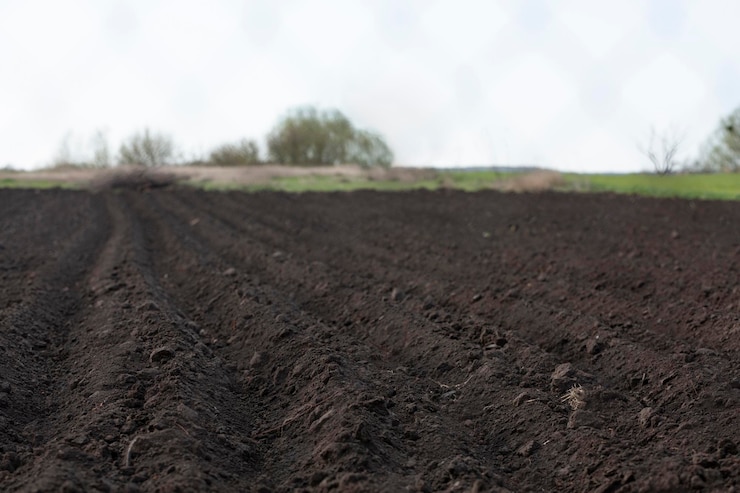
As farmers prepare for the planting season, understanding the condition of the soil should be an important part of crop planning. Soil provides the foundation for plant growth, but its ability to support healthy crops depends on factors such as nutrient availability and other soil characteristics. Soil testing gives farmers useful information about what their soil needs before seeds go into the ground. The results can guide decisions about soil management and fertiliser application. By testing soil before planting, farmers can make decisions based on information rather than relying only on assumptions about what their fields require.
Soil testing involves collecting soil samples and having them analysed to determine important characteristics and nutrient levels. The information obtained from a soil test can help indicate whether nutrients are present at levels that can support crop production. It can also help identify potential nutrient deficiencies that may require attention before or during the growing season. Farmers can use the results when planning fertiliser applications and other soil management practices. The value of soil testing comes from using actual information about a field to guide agricultural decisions.
Nutrients are essential for crop growth, but plants require them in appropriate amounts. Applying fertiliser without understanding existing nutrient levels can result in decisions that do not match the needs of the soil and crop. Soil testing provides information that can help farmers determine which nutrients may require attention. This can support more targeted fertiliser application and better planning before planting begins. Farmers should consider soil test results alongside the crop they intend to plant because different crops have different nutritional requirements.
The timing of soil testing also matters when preparing for a new planting season. Testing the soil before planting gives farmers an opportunity to review the results and make appropriate management decisions before crops are established. Early testing can also provide time to consider soil amendments or fertiliser applications where these are recommended. Waiting until crops are already growing can make it more difficult to address certain soil-related issues efficiently. Including soil testing in the preparation process can therefore help farmers plan their production activities more carefully.
Farmers also need to collect soil samples properly because the quality of the sample can affect the usefulness of the test results. A sample should represent the area of the field being assessed rather than reflecting only one unusual spot. Fields may contain areas with different soil conditions, especially where land has been managed differently over time. Following appropriate sampling guidance can help produce information that more accurately represents the area under consideration. Farmers who are unsure about sampling procedures can seek guidance from qualified agricultural advisers or soil testing services.
Soil testing can support more efficient fertiliser management by helping farmers understand the nutrient status of their fields. Fertiliser is an important production input, and farmers need to use it carefully to match crop requirements and soil conditions. Soil test information can help farmers avoid making fertiliser decisions based only on previous seasons or general assumptions. More informed application can also help farmers manage their input costs as part of their broader production planning. The specific fertiliser recommendations should depend on the soil test results, the crop being grown and appropriate agricultural guidance.
Understanding soil also involves recognising that nutrient levels are only one part of overall soil management. Farmers need to consider the condition of their fields and how farming practices affect the soil over time. Practices that support good soil management can contribute to maintaining productive agricultural land for future seasons. Soil testing can provide useful information that forms part of this broader management process. Farmers can use the results together with their knowledge of the field and appropriate technical advice when planning the next crop.
Soil testing can be particularly useful when farmers are changing crops, starting production on a new field or experiencing unexpected crop performance. A soil test can provide information that helps farmers investigate possible nutrient-related factors affecting production. However, soil test results should not be treated as the only explanation for poor crop performance because factors such as water availability, pests, diseases and weather can also affect crops. Farmers should consider the results within the wider context of their farming operation. This approach can help ensure that soil management decisions remain practical and relevant to actual production conditions.
Preparing for planting season is an opportunity for farmers to make informed decisions before production begins. Soil testing can provide valuable information about nutrient levels and help farmers plan fertiliser applications and soil management practices. When samples are collected appropriately and results are interpreted correctly, the information can become a useful tool for crop planning. Farmers can then make decisions that take account of the actual condition of their soil and the requirements of the crop they intend to plant. Understanding the soil before planting can therefore form an important part of responsible and informed farm management.
As the planting season approaches, farmers should take time to understand the soil that will support their crops. Soil testing provides a practical way to gather information about nutrient levels and identify areas that may require attention. The results can help guide fertiliser application and broader soil management decisions before planting. Farmers should combine soil test information with appropriate agricultural advice and their knowledge of their fields to develop a suitable production plan. By making soil testing part of their planting preparation, farmers can enter the growing season with clearer information about their soil and a more informed approach to crop management.
Join 'Farmers Mag' WhatsApp Channel
Get the latest Farming news and tips delivered straight to your WhatsApp
CLICK HERE TO JOIN