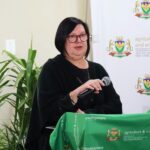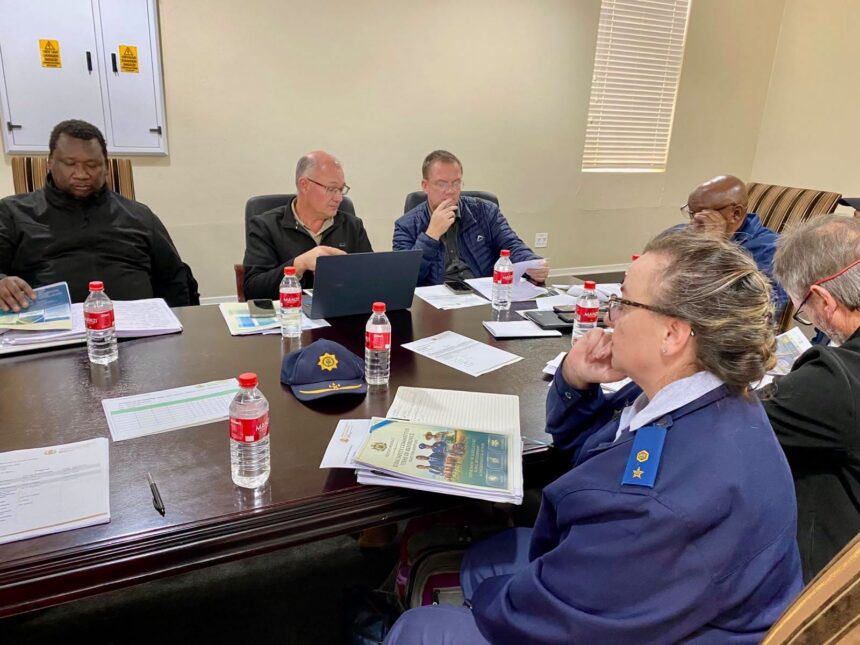
Rural safety remains an important concern for farmers and communities as agricultural areas face challenges that can affect production, livelihoods and the security of farming resources. Against this background, the Department of Agriculture, Rural Development and Environmental Affairs held a Rural Safety Forum meeting at Glen to strengthen cooperation among the organisations responsible for rural safety and development. The meeting focused on developing Terms of Reference to guide collaboration and coordination between government departments, law enforcement agencies, municipalities, agricultural stakeholders, traditional leaders, community structures and rural communities. The proposed framework is intended to help stakeholders work together in identifying and addressing the risks affecting rural areas. The meeting brought together organisations with different responsibilities and perspectives to discuss the challenges and the need for a coordinated approach.
The Terms of Reference will provide a framework for identifying safety and security risks affecting rural communities and agricultural areas. The process will also consider infrastructure and service delivery gaps that can contribute to the vulnerability of rural communities. Policing and emergency response challenges will form part of the issues requiring attention through the coordinated approach. Other factors that contribute to the vulnerability of rural areas will also need to be identified and considered. By creating a structured framework for engagement, the forum aims to strengthen cooperation between the different institutions and groups involved in rural safety.
Agricultural communities are increasingly affected by the theft of livestock, crops, farming equipment and other agricultural resources. These losses can place additional pressure on farmers and affect the resources they rely on for agricultural production. Livestock, crops and equipment are important assets within farming operations, and their theft can interfere with normal agricultural activities. The challenges associated with agricultural crime therefore extend beyond the immediate loss of property. They can also affect livelihoods and the ability of agricultural communities to maintain productive activities.
Rural communities also face challenges linked to infrastructure, access to essential services and law enforcement resources. Inadequate rural infrastructure can make it more difficult for communities to access services and respond effectively to challenges. Limited access to essential services adds another layer of vulnerability for people living and working in rural areas. Insufficient law enforcement resources can further complicate efforts to address safety and security concerns. These challenges show why rural safety needs to be considered together with the broader conditions that affect rural development and agricultural production.
The impact of these challenges can be significant for agricultural productivity and rural livelihoods. Farmers depend on their livestock, crops, equipment and other agricultural resources to carry out their farming activities. When these resources are lost through theft, farming operations can face additional difficulties. Rural safety concerns can also discourage investment and undermine the conditions needed for agricultural development. Strengthening safety and security is therefore closely connected to efforts to support productive and sustainable rural communities.
The meeting emphasised the need for a coordinated and multi-sectoral approach to these challenges. No single institution is responsible for every aspect of rural safety, making cooperation between relevant organisations important. Government departments, law enforcement agencies, municipalities, agricultural stakeholders, traditional leaders and community structures each have different roles and areas of responsibility. Bringing these groups together can help create a clearer understanding of the challenges affecting rural areas. It can also provide a basis for developing coordinated responses to the risks and gaps identified by participating stakeholders.
The South African Police Service formed part of the meeting, bringing law enforcement into discussions about rural safety and security. The Department of Rural Development and Land Reform also participated, alongside Mangaung Metropolitan Municipality. Agricultural stakeholders included Free State Agriculture and the African Farmers Association of South Africa. Their participation brought together government, law enforcement, local government and agricultural organisations within the same engagement. This broad representation reflects the need for cooperation when addressing challenges that affect both farming operations and rural communities.
For farmers, rural safety is directly connected to the protection of agricultural resources and the continuation of farming activities. Livestock, crops and farming equipment are essential resources, and their loss can affect the ability of producers to maintain agricultural operations. Farmers are also part of wider rural communities where infrastructure, services, policing and emergency response all contribute to the overall operating environment. Addressing these issues requires attention to both agricultural security and the broader conditions affecting rural communities. The Rural Safety Forum provides a platform for these interconnected issues to be considered through cooperation among the relevant stakeholders.
The development of the Terms of Reference is therefore an important part of establishing a framework for continued collaboration. The framework is intended to assist stakeholders in identifying safety and security risks, infrastructure and service delivery gaps, policing and emergency response challenges and other factors affecting rural vulnerability. It can also provide a structure for cooperation between the different organisations involved in rural development and safety. The focus is on identifying and addressing challenges through a coordinated approach. This can help keep rural safety connected to agricultural production, livelihoods and wider rural development priorities.
The Rural Safety Forum meeting at Glen brought together key stakeholders to focus on the safety challenges affecting agricultural and rural communities. The discussions recognised the impact of livestock, crop and equipment theft as well as infrastructure, service delivery and law enforcement challenges. The meeting also highlighted the need for government departments, law enforcement agencies, municipalities, agricultural organisations, traditional leaders and community structures to work together. Developing Terms of Reference provides a framework for strengthening this collaboration and coordination. A coordinated approach to rural safety can support efforts to protect agricultural resources, strengthen rural communities and create conditions that support agricultural production and rural development.
Join 'Farmers Mag' WhatsApp Channel
Get the latest Farming news and tips delivered straight to your WhatsApp
CLICK HERE TO JOIN