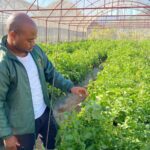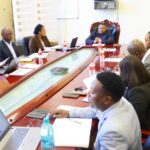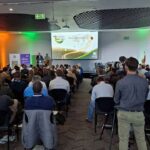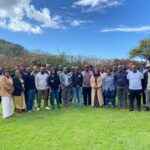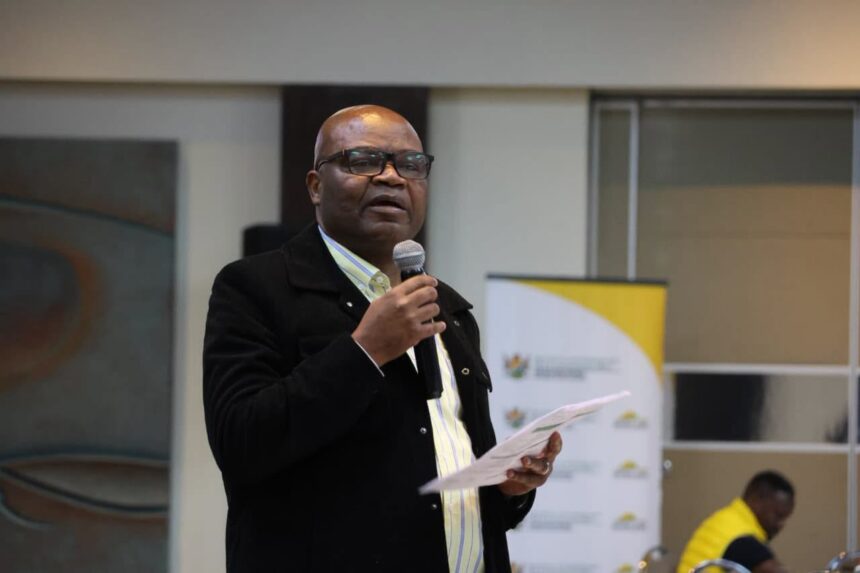
The national Department of Agriculture is conducting provincial consultations in Mpumalanga as it moves towards finalizing the Draft National Food and Nutrition Security Plan. The consultation process began with stakeholders from the Ehlanzeni and Bohlabela districts who gathered in Mbombela to discuss the draft plan and provide their views. The engagement is intended to ensure that people and organizations that may be directly or indirectly affected by the implementation of the plan have an opportunity to contribute. Participants from the public and private sectors, civil society organizations and academia are taking part in the discussions. Their contributions can help strengthen the plan by bringing practical experience, research findings and perspectives from different parts of the food and nutrition security system.
Food and nutrition security remains closely connected to agriculture, household livelihoods, economic conditions and access to nutritious food. A national food security plan needs to consider more than the production of food because people also need reliable access to food that is safe, nutritious and affordable. The consultation in Mpumalanga therefore brings together stakeholders with different responsibilities and experiences across the food system. Public institutions may contribute information about planning and service delivery, while private-sector participants can provide perspectives on production, distribution and markets. Civil society organizations and academic institutions can also contribute community-level experience and research that may help identify challenges affecting food and nutrition security.
The decision to consult stakeholders before finalizing the Draft National Food and Nutrition Security Plan is significant because implementation can affect different groups in different ways. Policies designed at national level need to take account of conditions in provinces and districts where food production, distribution and consumption take place. Stakeholder consultations create an opportunity to identify issues that may not be fully reflected in a draft document. They can also provide a platform for participants to suggest practical approaches based on their experience. The information gathered during these engagements can contribute to the finalization of the plan and help inform future implementation.
The first Mpumalanga consultation involved stakeholders from Ehlanzeni and Bohlabela, who gathered in Mbombela for the engagement. Bringing stakeholders together at district level allows discussions to reflect local conditions while still contributing to a national policy process. Mpumalanga has communities with different economic, agricultural and social circumstances, making local perspectives relevant to discussions about food and nutrition security. Stakeholders can use these consultations to raise concerns, identify opportunities and discuss factors that influence access to food in their communities. Their input can help ensure that the national planning process considers the practical realities experienced at provincial and district level.
The participation of the public sector is important because government departments and institutions have responsibilities that can influence food and nutrition security. Planning, agriculture, social development, health, education, water, infrastructure and economic development can all intersect with the broader food system. Effective food and nutrition security planning therefore requires coordination between different areas of government. Public-sector stakeholders can also provide information about existing programmes, implementation challenges and gaps that may need attention. Their contributions can help connect the proposed national plan with the realities of government planning and service delivery.
Private-sector participation provides another perspective on the food system. Businesses are involved in areas such as agricultural production, processing, distribution, retail and other services that help move food from producers to consumers. Their experience can provide insight into market conditions, supply chains, production challenges and opportunities for improving efficiency. Private-sector stakeholders can also identify issues that affect the ability of businesses and farmers to participate in food value chains. Including these perspectives in the consultation process can support a broader understanding of the factors that influence food availability and access.
Civil society organizations also have an important role in discussions about food and nutrition security because many work directly with communities. These organizations may have experience with household food access, community development, vulnerable groups and local responses to food insecurity. Their involvement can bring community-level perspectives into a national policy process. Such input can help highlight practical challenges that may not be visible through national statistics or institutional planning alone. It can also contribute to discussions about how policies and programmes can respond to the needs of different communities.
Academia provides another important source of knowledge for the consultation process. Universities and research institutions contribute research on agriculture, food systems, nutrition, economics, environmental conditions and related subjects. Researchers can use evidence and analysis to identify trends, assess challenges and examine potential approaches to improving food and nutrition security. Their participation can help connect policy development with existing research and knowledge. The involvement of academics who work on planning and research in food and nutrition security can therefore support evidence-informed discussions around the draft plan.
The consultation process also recognizes that food and nutrition security requires cooperation across different parts of society. No single institution can address every factor that influences whether people can consistently access adequate and nutritious food. Agricultural production must connect with markets, infrastructure, livelihoods, social support, nutrition and other areas that affect household food security. Stakeholder engagement provides a way for these different perspectives to be considered within one policy process. The quality of the final plan will depend in part on how effectively the relevant evidence, experiences and recommendations are considered during its development.
The Mpumalanga consultations form part of a wider process as the national Department of Agriculture works towards finalizing the Draft National Food and Nutrition Security Plan. The department is consulting stakeholders who may be affected by the plan either directly or indirectly, allowing them to make inputs before the process is completed. This approach gives stakeholders an opportunity to engage with the draft and raise issues relevant to their areas of responsibility. It also provides policymakers with additional information from organizations involved in food and nutrition security planning, research and implementation. The consultation process is therefore an important stage between the preparation of a draft policy framework and its eventual finalization.
The next Mpumalanga sessions will extend the consultation process to stakeholders from the Gert Sibande and Nkangala districts. These sessions are scheduled to take place on Wednesday in Emalahleni. The district-based approach allows stakeholders from different parts of the province to participate in the national planning process. Their contributions can add further perspectives on the conditions affecting food and nutrition security across Mpumalanga. Engaging stakeholders from all participating districts can help build a more comprehensive provincial contribution to the national consultation process.
The Draft National Food and Nutrition Security Plan consultation in Mpumalanga highlights the importance of including stakeholders in national policy development. The engagement in Mbombela brought together participants from Ehlanzeni and Bohlabela, while the upcoming session in Emalahleni will involve stakeholders from Gert Sibande and Nkangala. Public and private institutions, civil society organizations and academia all have different experiences that can contribute to discussions about food and nutrition security. Their participation provides an opportunity to identify practical challenges, share evidence and strengthen the policy process before the plan is finalized. As the national Department of Agriculture continues its consultations, these provincial engagements provide a channel for local and sector-specific perspectives to contribute to South Africa’s national approach to food and nutrition security.
Join 'Farmers Mag' WhatsApp Channel
Get the latest Farming news and tips delivered straight to your WhatsApp
CLICK HERE TO JOIN