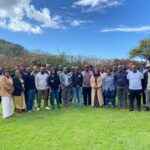
A growing agricultural training centre in Polokwane, Limpopo, is helping young people and emerging farmers build practical skills for a future in agriculture. Bokamoso Farmers Academy was founded by qualified agriculturalist and extension officer Jerry Tjale with the aim of equipping students, smallholder farmers and commercial farm workers with skills they can apply directly in the agricultural sector. The academy has experienced significant growth in a short period, increasing its student enrolment from 60 in 2025 to 130 in 2026. That growth reflects rising interest in practical agricultural training and creates opportunities for more young people to develop the knowledge and confidence needed to participate in farming. Through a combination of classroom learning, practical experience and mentorship, Bokamoso Farmers Academy is building a training model focused on preparing people for the realities of modern agriculture.
The academy provides training across several areas of agriculture, giving students exposure to both production and the wider requirements of running a successful agricultural operation. Its programmes include crop production, livestock management, machinery operation, workplace safety and Global GAP compliance. The academy also offers AgriSETA learnerships and mentorship aimed at supporting smallholder farmers as they develop their businesses. This combination is important because farming requires more than knowledge of planting crops or managing livestock. Farmers and agricultural workers also need to understand machinery, safety, production standards, compliance and business practices if they are to operate effectively in a competitive agricultural environment.
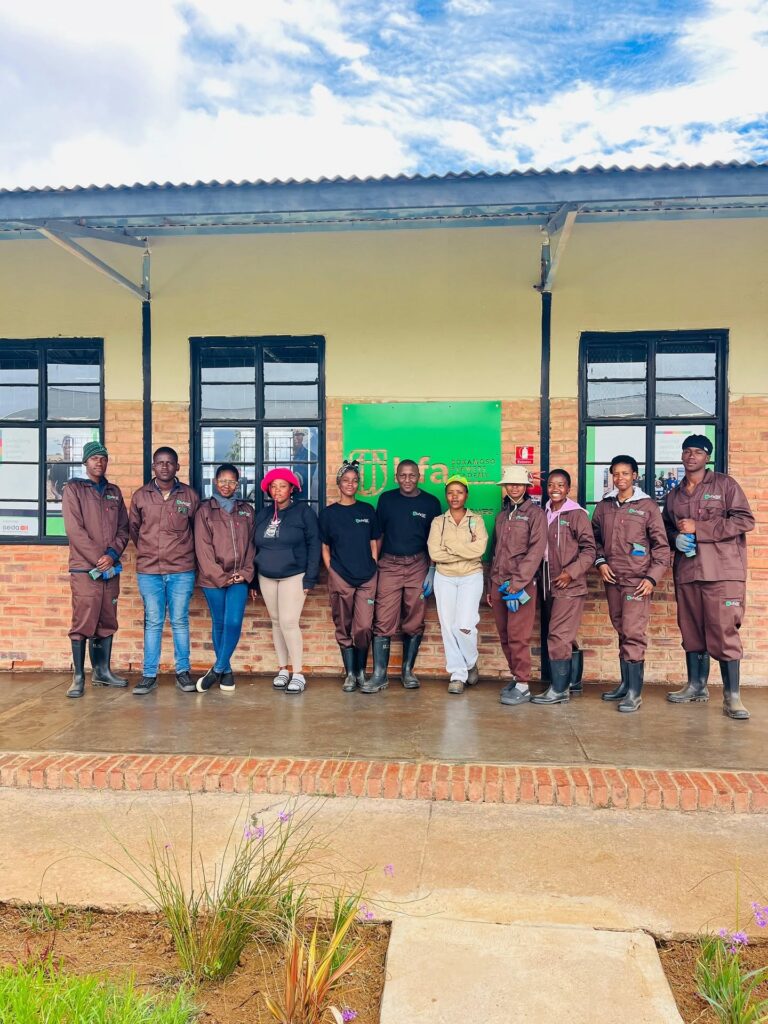
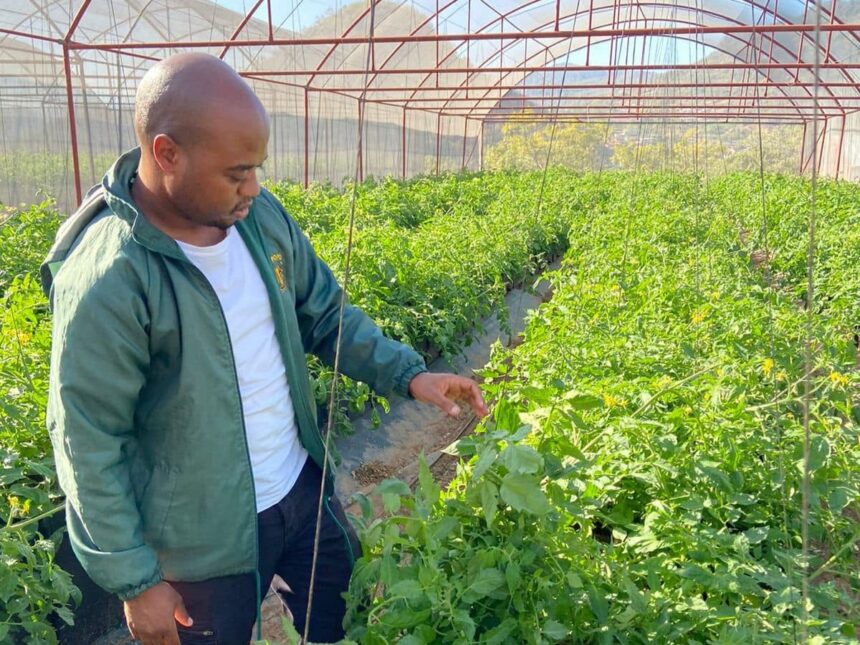
One of the strongest features of the Bokamoso Farmers Academy approach is the opportunity for students to learn through practical experience. The academy operates on a 130-hectare farm where students can apply what they learn instead of relying only on classroom instruction. Practical exposure can help students understand the realities of agricultural production, including the daily decisions and responsibilities involved in managing crops, livestock, equipment and farm operations. It also allows learners to develop confidence by working with agricultural systems in a real production environment. For young people considering agriculture as a career, this type of hands-on experience can provide an important connection between formal training and the demands of the workplace.
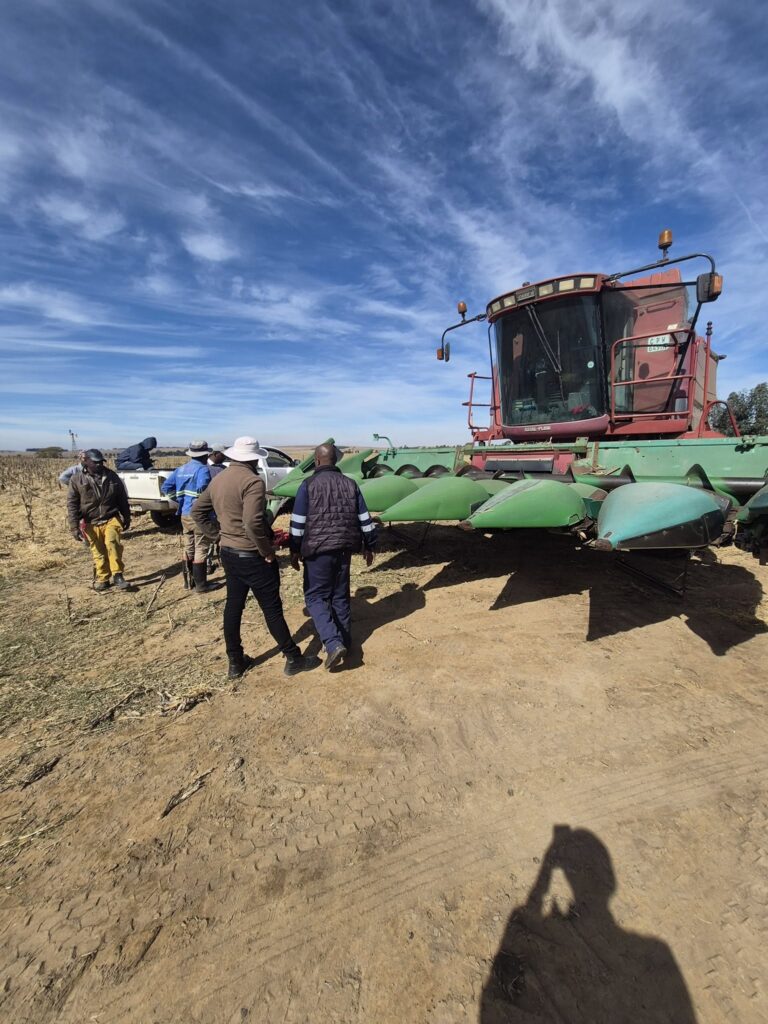
The growth in student numbers is particularly significant for an industry that needs skilled people across the agricultural value chain. Bokamoso Farmers Academy had 60 students enrolled in 2025, while enrolment reached 130 students in 2026. This represents more than double the number of students within a year and shows the scale at which the academy is expanding its training reach. Every additional student represents another person gaining access to agricultural knowledge and practical experience. The increase also points to the potential role that specialised agricultural training institutions can play in creating opportunities for young people who want to build careers in farming and related fields.
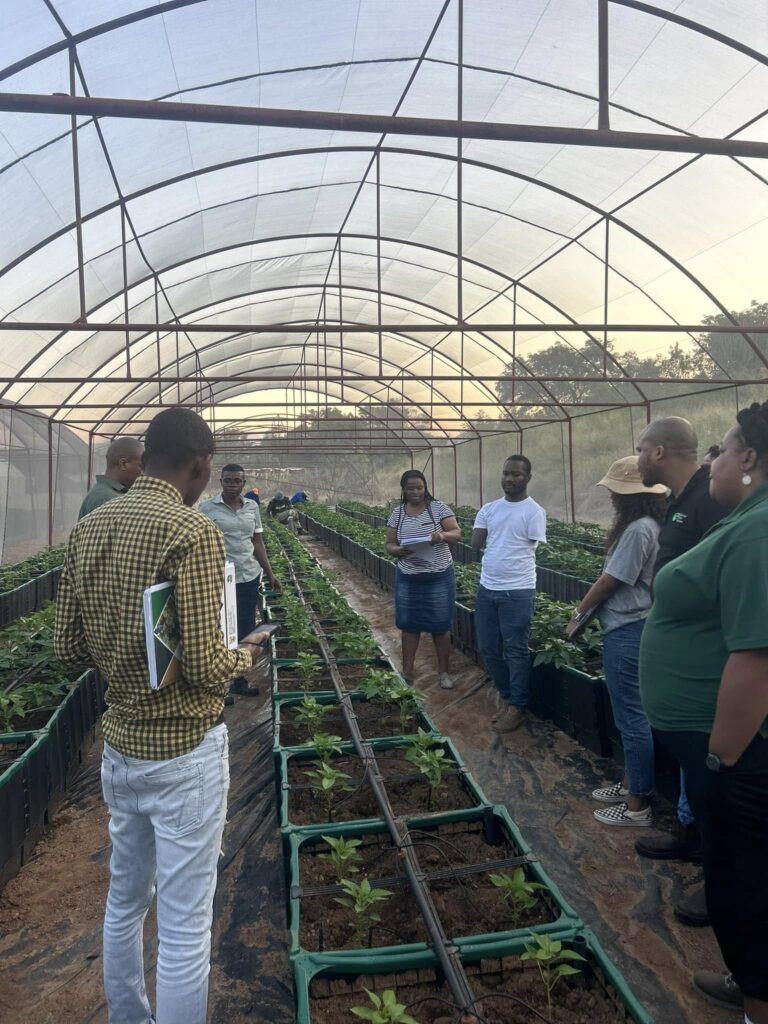
For Tjale, the work at Bokamoso Farmers Academy is closely connected to his personal sense of purpose. He describes himself as being driven by legacy, purpose and the desire to create something meaningful that will outlast him. That outlook has shaped the academy’s focus on developing people rather than simply providing short-term training. Building agricultural skills can have effects that extend beyond an individual student because trained people can use their knowledge on farms, in agricultural businesses or within their communities. The emphasis on creating a lasting institution gives the academy a broader purpose within the agricultural training landscape.
The journey has also included challenges that are familiar to many growing agricultural businesses. Accreditation requirements can be demanding, particularly for an institution that is expanding its training programmes and student numbers. Infrastructure must also grow alongside enrolment to ensure that students have appropriate facilities and practical opportunities. These pressures require careful planning because increasing the number of students must be matched by the capacity to provide quality training. Tjale’s experience shows that building an agricultural training centre involves managing both the educational needs of students and the operational demands of running a growing business.
Another challenge is the transition that takes place when students complete their training and move into the wider economy. Young agricultural graduates may find opportunities elsewhere after developing their skills at the academy. While this can be challenging for an organisation that has invested time and resources in developing people, it is also part of the purpose of agricultural training. The broader agricultural sector benefits when trained young people take their knowledge into farms, agribusinesses and other parts of the value chain. For Bokamoso Farmers Academy, the long-term value of its work therefore extends beyond retaining every person it trains.
The academy’s participation in the FNB Market Masters Programme by Fetola has also formed part of its business development journey. Tjale says the programme has helped him feel less isolated when dealing with the realities of running an agricultural business. He also says the programme has supported Bokamoso Farmers Academy in strengthening its financial management systems. Strong financial management is particularly important as an agricultural training business grows because increased enrolment brings greater operational responsibilities and requires careful management of resources. Developing these systems can help an organisation build a stronger foundation for sustainable growth.
The focus on smallholder farmers is another important part of the academy’s work. Many emerging farmers require technical knowledge as well as guidance on how to develop sustainable farming enterprises. Mentorship can help farmers address practical challenges while building their confidence to make decisions about production and business management. Training in areas such as Global GAP compliance can also introduce farmers to standards that are relevant when supplying certain markets. By combining training with mentorship, the academy is positioned to support farmers at different stages of their agricultural development.
Youth participation remains an important part of the future of agriculture, particularly as the sector needs people with practical skills and an understanding of changing production systems. Young people entering agriculture can contribute fresh ideas while building on the experience and knowledge already present within the sector. Training institutions such as Bokamoso Farmers Academy can provide a structured entry point for those who may not have grown up on commercial farms or had direct access to agricultural opportunities. The growth from 60 students to 130 students demonstrates the potential demand for this kind of practical agricultural education. It also reinforces the importance of creating pathways that connect young people with real opportunities in farming and agribusiness.
Bokamoso Farmers Academy’s development is ultimately a story about skills, opportunity and the long-term value of investing in people. From its 130-hectare operational farm to its agricultural training programmes and mentorship for emerging farmers, the academy is creating opportunities for learners to gain experience that can be applied beyond the classroom. Tjale’s focus on purpose and legacy has helped shape an institution that is growing while facing the practical challenges that come with expansion. Its progress also shows how agricultural training can connect young people with the skills needed to participate meaningfully in the food and farming sector. As Bokamoso Farmers Academy continues to grow, its greatest contribution may be the people it equips to take agriculture forward.
Join 'Farmers Mag' WhatsApp Channel
Get the latest Farming news and tips delivered straight to your WhatsApp
CLICK HERE TO JOIN