A major farmer-led discussion on the future of South African agriculture will take place at Nampo Alfa on Friday, 2 October 2026, bringing food producers and industry decision-makers together around one of the sector’s most pressing challenges. The Road to Recovery discussion will focus on the impact of foot-and-mouth disease, or FMD, on farming businesses and the practical steps needed to support recovery. Unlike a conventional industry meeting, the event has been convened by farmers, with producers taking the lead in explaining what they have experienced and what they believe needs to change. Heads of producer organisations, commodity bodies and other industry structures are expected to attend and listen directly to farmers. The central purpose is to create a constructive space where the realities facing producers can be placed on record and practical solutions can be developed.
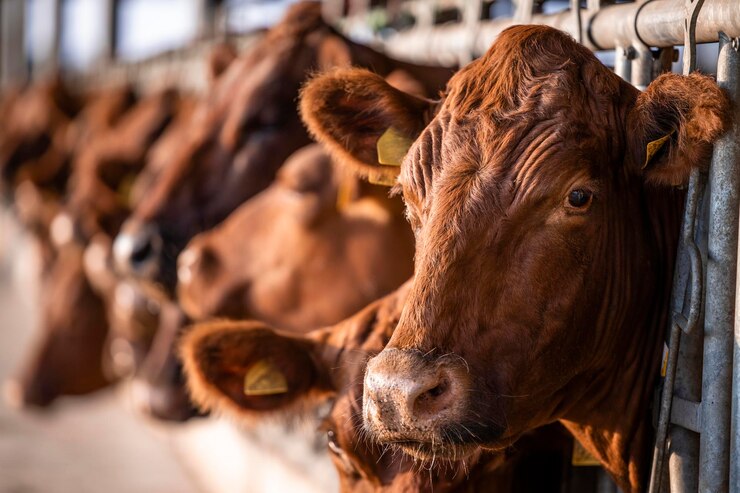
Foot-and-mouth disease has created significant challenges for South African livestock producers, particularly those operating in the red meat sector. The disease affects cloven-hoofed animals and can disrupt normal movement, trade and production activities when outbreaks occur. For farmers, the effects can extend beyond the immediate management of animal health because restrictions and market disruptions can affect sales, cash flow and business planning. The wider consequences can also reach processing businesses, rural employment, feed suppliers and other participants in agricultural value chains. The Road to Recovery discussion is therefore focused on the broader impact of the crisis and on how South Africa can strengthen its food production system while addressing the challenges created by FMD.
The event has been deliberately designed around direct farmer participation. Farmers will have the opportunity to explain how the disease and its related consequences have affected their individual businesses and farming operations. They will also be able to identify practical obstacles that continue to limit recovery and propose solutions based on their experience. This farmer-led approach places producers at the centre of the discussion rather than treating them only as recipients of decisions made elsewhere. The information shared during the session is expected to be recorded and delivered to invited organisations and departments, including those that may not be able to attend the event in person.
The range of organisations expected to participate reflects the broad impact of the issues under discussion. Confirmed attendees include Agri SA at national and provincial level, TLU SA, Saai, AFASA, the Red Meat Producers Organisation at national and provincial level, NaLFA, MPO, SAPPO, WRSA, RMIS, APAC, SBF, RMAA, SAFA, RuVASA, SAFLA, NWKV, NGEAC and Agbiz. Major feedlot and processing businesses are also expected to be represented. Their involvement brings together organisations working across different sections of the agricultural value chain. This creates an opportunity for farmers to raise concerns that may require coordination between producers, industry bodies, processors, businesses and government departments.
The Road to Recovery discussion is also intended to move beyond describing problems. Farmers will be asked to contribute to a working discussion about what needs to happen next and what practical measures could help the industry recover. This focus is important because agricultural businesses operate under complex conditions involving animal health, markets, production costs, infrastructure, logistics and access to finance. A solution that addresses one part of the system may still leave producers facing other constraints. Bringing different stakeholders into the same room allows these interconnected issues to be discussed together.
The morning programme will begin with presentations that provide context about the challenges facing the agricultural sector. Gerhard van der Burgh from BFAP will open with a discussion covering the red meat strategy, how the industry reached its current position and the road towards export markets. Dr Johnny van der Merwe from AMT will address the effect of FMD on South Africa’s food system. Dr Tobias Doyer from Grain SA will focus on the South African food system and the journey ahead. These presentations are intended to establish a factual basis for the discussions before farmers move into the working session.
The red meat industry has a particularly important role in the FMD discussion because disease outbreaks can affect the movement and marketing of livestock. Export markets are also important to agricultural producers because international trade provides additional outlets for South African products. Restrictions associated with animal health can complicate access to those markets and create uncertainty for businesses planning production and sales. The recovery process therefore involves both immediate farm-level challenges and longer-term questions about market access. The Road to Recovery programme places these issues within a wider discussion about the future of the red meat industry and South African agriculture.
The impact of FMD also extends beyond livestock farmers. South Africa’s food system connects livestock producers with grain farmers, feed manufacturers, processors, retailers, transport operators and consumers. Changes in livestock production can affect demand for feed and other agricultural inputs, while disruptions in processing and marketing can affect businesses further along the supply chain. Dairy, pork, grain and red meat producers operate within this interconnected system, even though the direct effects of animal disease may differ between sectors. The discussion therefore aims to consider FMD within the context of the broader food production system rather than viewing it as an isolated livestock problem.
The afternoon session will give farmers the main platform. Farmer facilitators Danie Minnaar, Kobus Bester and Charl Saunderson will lead a working session focused on identifying what needs to happen next. Producers in the room will have an opportunity to contribute their experiences and discuss practical measures that could support recovery. This format is intended to encourage active participation rather than a one-way presentation. The outcome can provide decision-makers and industry organisations with a clearer understanding of the priorities identified by farmers themselves.
The event also highlights the importance of communication between farmers and the organisations that represent or support them. Agricultural producers operate at the point where policy decisions, industry regulations and market conditions become practical realities on farms. Their experiences can therefore provide information that is useful when organisations assess the effectiveness of existing measures and consider future interventions. Direct engagement can also help identify differences between conditions in various farming operations and regions. Recording the discussions and distributing the inputs to invited organisations and departments can extend the reach of the conversation beyond those physically present at Nampo Alfa.
The Road to Recovery discussion will take place on Friday, 2 October 2026, at the Fanie Ferreira Hall at Nampo Park. The programme is scheduled to run from 08:30 and attendance is open to food producers. Farmers and organisations within the agricultural value chain that have not yet confirmed a place are invited to register through the event’s RSVP platform. Entry to Nampo Park requires a Nampo Alfa day ticket, with the stated ticket price at R70 and tickets available online or at the gates. The event provides an opportunity for producers from different parts of the food system to participate in a discussion focused specifically on recovery and practical solutions.
The significance of the Road to Recovery discussion lies in its direct focus on the experiences of farmers and the future of South African food production. Foot-and-mouth disease has created challenges that reach beyond individual livestock farms, affecting market access, business operations and connected parts of the agricultural value chain. By bringing farmers together with producer organisations, commodity bodies, industry structures and major businesses, the event creates space for those challenges to be discussed across the sector. The combination of factual presentations and a farmer-led working session is designed to connect the current situation with practical ideas for the way forward. As South African agriculture works through the effects of FMD, the voices and experiences recorded at Nampo Alfa will form part of a wider conversation about restoring confidence, strengthening food production and building a more resilient agricultural value chain.
Join 'Farmers Mag' WhatsApp Channel
Get the latest Farming news and tips delivered straight to your WhatsApp
CLICK HERE TO JOIN