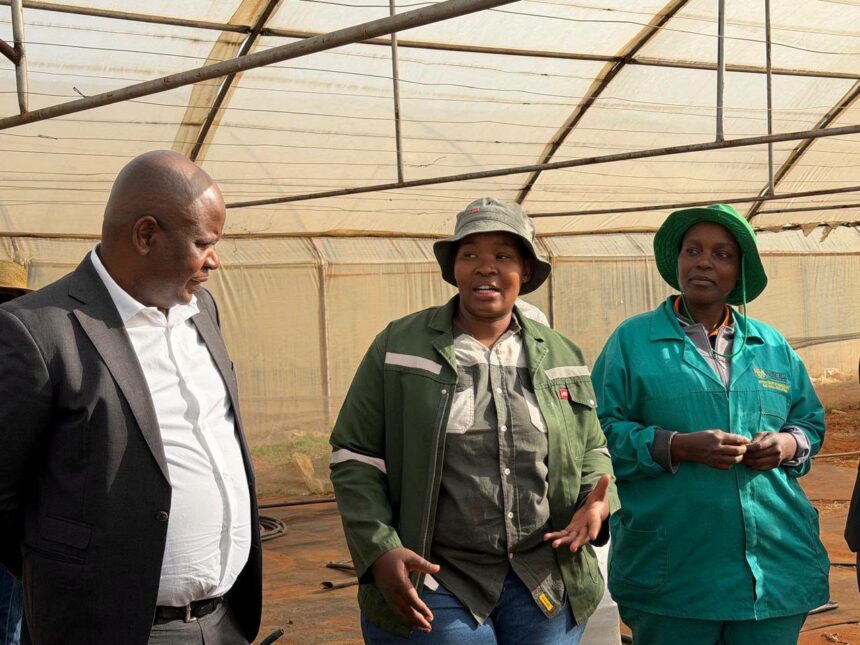
Tumisho Mphahlele, a young farmer from Zebediela in Limpopo, is proving that determined agricultural entrepreneurs can build successful and resilient farming businesses with the right support and commitment. Through her Zwoda Farming Project in Makusuaneng, Zebediela, she has transformed a four-hectare enterprise into a diverse agricultural operation producing crops, fruit, fish and livestock. Her journey reflects the potential of young farmers to contribute to local food production while creating employment opportunities in their communities. Mphahlele is also one of the beneficiaries of a government farmer support programme, which has provided important resources that have helped strengthen her farming operation. Today, Zwoda Farming Project stands as an example of how agricultural support, hard work and business planning can combine to create a sustainable farming enterprise.
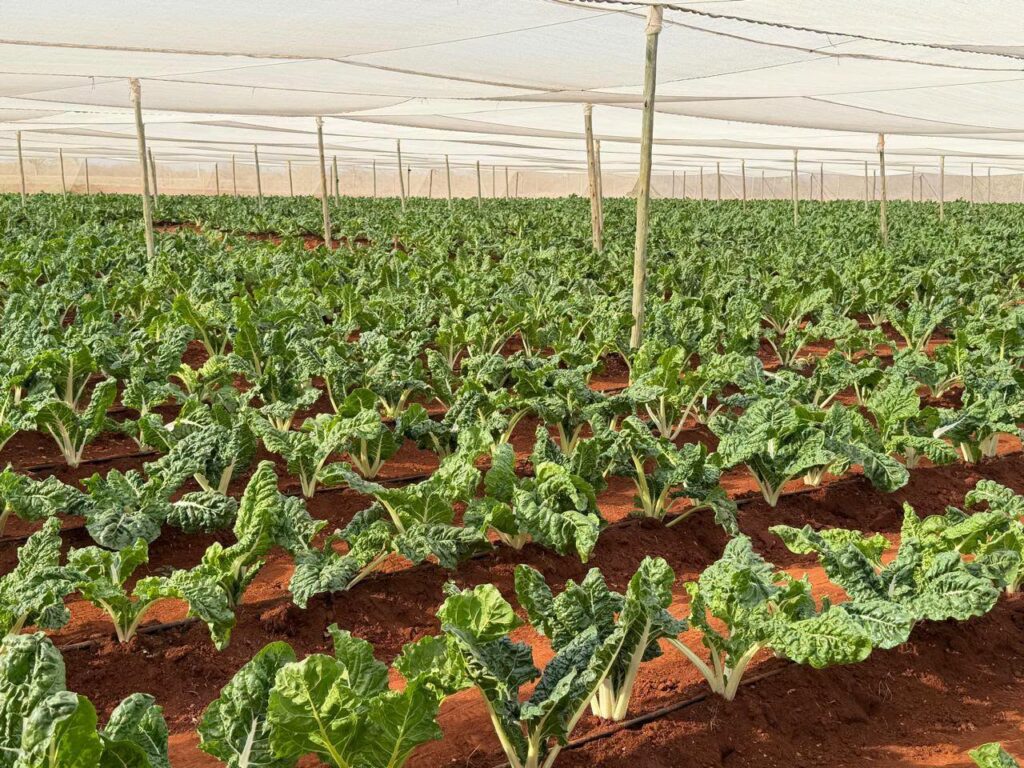
Zwoda Farming Project produces a wide range of crops to serve different parts of the local market. Mphahlele cultivates butternuts, beetroot, watermelon, green peppers, cabbage and spinach as part of the enterprise’s crop production activities. The farm also produces strawberries and macadamia nuts, while a tilapia fish operation and small livestock component add further diversity to the business. This approach allows the farm to generate income from several agricultural activities rather than depending on a single crop. Diversification can also help farmers manage some of the risks associated with changing market conditions, crop challenges and seasonal production.
The scale of Zwoda Farming Project’s vegetable production demonstrates the significant effort that goes into maintaining the enterprise. Mphahlele plants around 50 000 cabbages during each production cycle, creating a substantial supply of fresh produce for her customers. The farm has also planted approximately 50 000 spinach plants, showing that the operation has moved beyond small-scale household production into commercial agriculture. Her strawberry production occupies one hectare, while the farm also has 250 macadamia nut trees. Together with the fish and livestock activities, these different enterprises create a farming model that uses the available land across several complementary agricultural activities.
Market access has played an important role in helping Mphahlele turn production into a functioning business. Zwoda Farming Project supplies produce to retailers including Spar, Boxer and Roots, while also selling to hawkers and customers who visit the farm directly. The opportunity for walk-in customers gives the business another route to market and allows local consumers to purchase fresh produce directly from the farming enterprise. Having multiple customers and sales channels can provide farmers with greater flexibility when managing their harvests. It also strengthens the connection between local agricultural production and consumers who depend on fresh food.
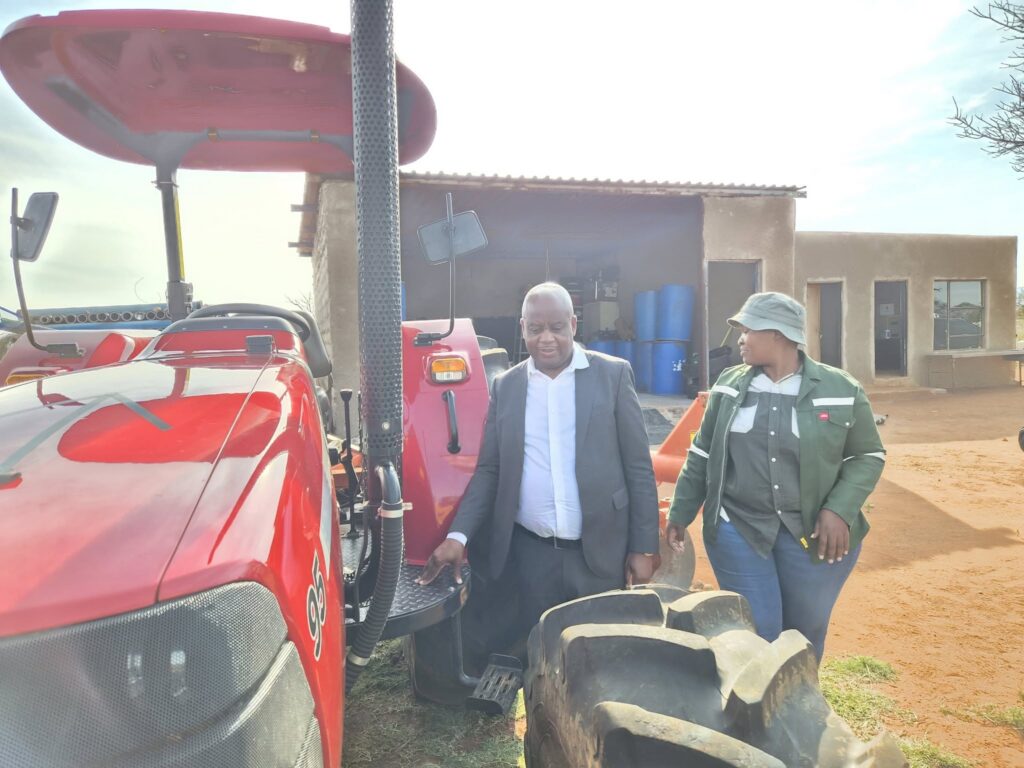
Government support has been an important part of Mphahlele’s development as a commercial farmer. Through the Department of Agriculture, she received a tractor that has improved the farm’s ability to carry out essential agricultural activities. The department also provided production inputs, including manure, which can support soil fertility and crop production. Two boreholes were drilled on the farm, providing a critical source of water for agricultural activities. Access to machinery, production inputs and reliable water can make a significant difference to a farming operation, particularly when the farmer is managing large crop volumes across several production activities.
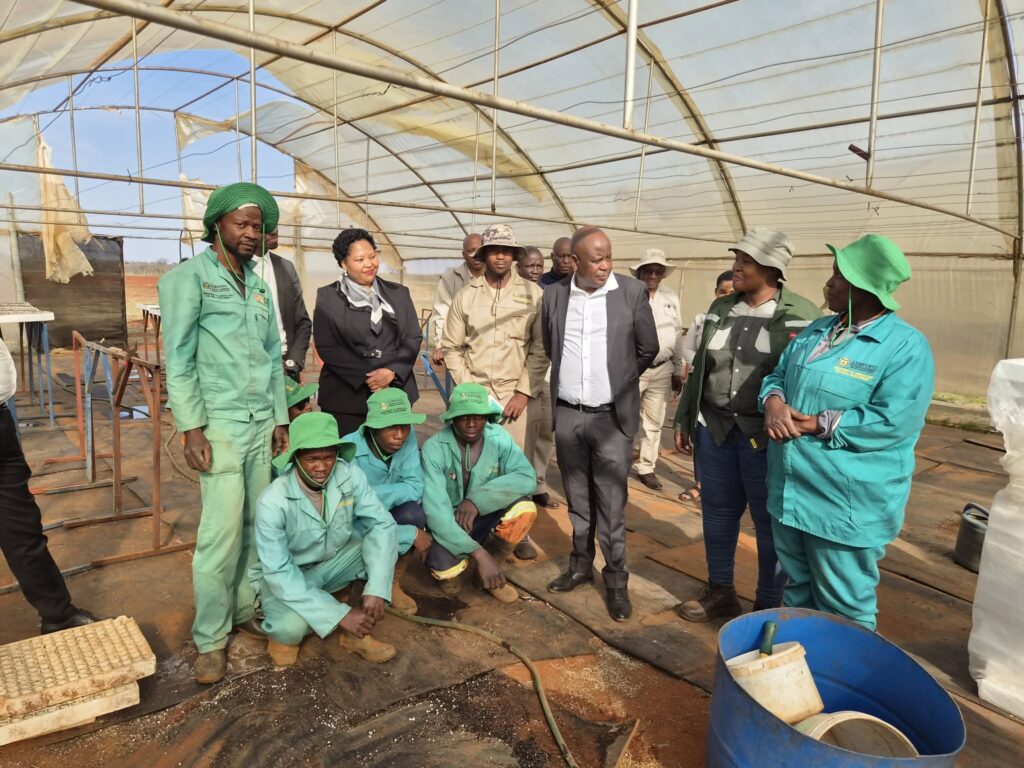
The support has also contributed to employment creation at Zwoda Farming Project. Mphahlele explained that the government programme assisted the farm with 20 seasonal workers, helping the enterprise manage labour requirements during periods of increased agricultural activity. Beyond seasonal employment, she has created 10 permanent jobs through the farming project. This means the enterprise is not only producing food but also contributing to livelihoods within the surrounding community. The ability of a small agricultural business to create permanent and seasonal employment demonstrates how productive farming enterprises can contribute to local economic development.
Water security remains particularly important for a diversified farm such as Zwoda Farming Project because many of its activities depend on consistent access to water. Vegetables such as cabbage and spinach require careful management throughout their growing cycles, while fruit production and other agricultural activities also depend on suitable growing conditions. The two boreholes supported through the government programme therefore represent more than infrastructure investments. They provide the farm with resources that can support production planning and reduce some of the challenges associated with water availability. Reliable water access can also help farmers maintain production across different seasons and improve their ability to meet customer demand.
Mphahlele’s decision to diversify into crops, strawberries, macadamia nuts, tilapia fish and livestock also highlights the importance of building resilience in agriculture. Farming businesses face numerous challenges, including weather conditions, input costs, pests, diseases and fluctuations in demand. A diversified enterprise can spread some of these risks across different agricultural activities and create several potential sources of income. It can also allow farmers to respond to different market opportunities as demand changes. In Mphahlele’s case, the combination of food crops, fruit, fish and livestock has helped create an enterprise with a broad agricultural base.
The story of Zwoda Farming Project also highlights the importance of young people participating in agriculture as entrepreneurs and business owners. Mphahlele has demonstrated that farming can be approached as a commercial enterprise that requires production planning, market development, resource management and employment creation. Her experience challenges the perception that agriculture is limited to traditional farming practices or subsistence production. By supplying established retailers while also serving hawkers and direct customers, she has developed connections with different sections of the market. Her progress provides an example for other young people who may be interested in exploring agriculture as a source of income and long-term business growth.
The relationship between farmer support programmes and the success of individual agricultural enterprises is also evident in Mphahlele’s experience. While government assistance has provided valuable resources, the continued operation and expansion of Zwoda Farming Project also depend on the farmer’s ability to use those resources effectively. A tractor, boreholes and production inputs can strengthen a farm, but they must be combined with consistent production, labour management and access to customers. Mphahlele’s growing enterprise shows how support can have a practical impact when it is connected to an active farming business. Her achievements also demonstrate the importance of ensuring that agricultural support reaches farmers with the capacity and ambition to expand production.
As Zwoda Farming Project continues to develop, its location in Makusuaneng in Zebediela places it within a community where agricultural production can contribute to both food supply and local economic activity. The farm’s output creates opportunities for retailers, hawkers and consumers to access locally produced food. Its employment opportunities also allow people in the surrounding area to earn an income through agricultural work. The combination of food production and job creation gives the enterprise significance beyond its four hectares. It represents a local business contributing to a wider agricultural value chain.
Tumisho Mphahlele’s journey shows what can be achieved when young farmers combine determination, diversification, market access and effective use of agricultural support. From planting tens of thousands of vegetables to producing strawberries, macadamia nuts, tilapia fish and livestock, she has built Zwoda Farming Project into a diverse enterprise with commercial ambitions. The support received through the Department of Agriculture has helped provide machinery, production inputs, water infrastructure and labour assistance, while Mphahlele has turned those resources into a growing farming operation that supports both food production and employment. Her creation of 10 permanent jobs alongside seasonal employment demonstrates the wider economic value that can come from investing in productive farming businesses. As she continues developing her four-hectare enterprise, Mphahlele’s story offers a strong example of agricultural resilience and the potential of young farmers to build sustainable businesses in South Africa.
Join 'Farmers Mag' WhatsApp Channel
Get the latest Farming news and tips delivered straight to your WhatsApp
CLICK HERE TO JOIN