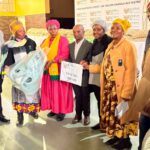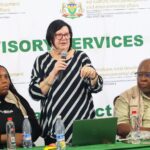
The Department of Agriculture, Rural Development, Land and Environmental Affairs (DARDLEA) joined Ehlanzeni District Municipality’s Farmers’ Information Day at Nsikazi Stadium near KaBokweni, providing local farmers with important information about opportunities available within the agricultural sector. The engagement created a platform for farmers to connect with government institutions, financial organisations and development agencies that can assist with funding, infrastructure and enterprise development. Access to accurate information remains important for farmers who want to expand their operations, improve productivity and build sustainable agricultural businesses. The Farmers’ Information Day brought several key stakeholders together in one space, allowing producers to learn about different forms of support available to them. The event also highlighted the importance of collaboration between government, financial institutions, development agencies and farmers in strengthening agriculture across the Ehlanzeni District.
A range of organisations participated in the information session, reflecting the broad network of institutions involved in supporting agricultural development. Among the stakeholders present were the Mpumalanga Economic Growth Agency, Nkomazi Youth Development Agency, National Youth Development Agency, Standard Bank, Small Enterprise Development & Finance Agency, Inkomati-Usuthu Catchment Management Agency and the University of Mpumalanga. Each organisation brought different areas of expertise and support to the engagement, giving farmers an opportunity to gain a broader understanding of available resources. The presence of financial institutions and development agencies was particularly relevant for farmers seeking to grow their businesses or overcome barriers related to access to capital. Bringing these stakeholders together also gave farmers a chance to understand where they can seek assistance depending on their individual agricultural and business needs.
Funding and access to finance were among the key issues addressed during the Farmers’ Information Day. Many agricultural enterprises require capital to purchase equipment, improve infrastructure, increase production capacity or strengthen their ability to reach markets. Information about loans and other financial support can help farmers make more informed decisions about how to finance their operations. The participation of Standard Bank and SEDFA added an important business development and financial perspective to the discussions. Farmers were able to learn more about the types of support available and the importance of understanding the requirements associated with accessing financial assistance.
Infrastructure support also formed an important part of the information shared with farmers. Agricultural infrastructure can play a major role in improving productivity, reducing operational challenges and supporting the long-term development of farming enterprises. Depending on the type of farming operation, producers may require improvements to production facilities, water-related infrastructure, storage, handling facilities or other resources needed to support their businesses. Providing farmers with information about available infrastructure programmes can help them identify opportunities that match their circumstances. The involvement of relevant government and development institutions therefore gave farmers greater exposure to programmes that could potentially contribute to the expansion and sustainability of their agricultural activities.
DARDLEA used the occasion to present information on the Comprehensive Agricultural Support Programme, commonly known as CASP. Farmers were informed that applications for the programme close on September 11, making awareness of the deadline particularly important for producers who may qualify for support. CASP forms part of agricultural support efforts aimed at assisting farmers and strengthening agricultural production through various forms of assistance. Providing information directly to farmers can help ensure that potential applicants understand the opportunity and take action before the closing date. The presentation therefore served as a practical reminder for farmers to establish their eligibility, prepare the required information and submit their applications within the stipulated timeframe.
The department also introduced farmers to the Masibuyele Esibayeni programme, adding another important component to the information shared during the event. Livestock farming remains an important part of many rural agricultural economies, and programmes designed to support livestock producers can contribute to stronger household and commercial farming activities. By presenting Masibuyele Esibayeni alongside CASP, DARDLEA gave farmers information about different avenues through which agricultural support may be accessed. The engagement encouraged farmers to look beyond a single source of assistance and consider programmes that align with the nature and needs of their farming operations. Access to such information can be particularly valuable for emerging farmers who are still developing their enterprises and learning how to navigate available government support systems.
The involvement of youth-focused organisations also highlighted the importance of creating opportunities for young people within agriculture. The Nkomazi Youth Development Agency and National Youth Development Agency were among the stakeholders participating in the session, providing an opportunity to connect agricultural development with youth empowerment. Young farmers often require access to finance, training, markets, infrastructure and business development support as they establish themselves in the sector. Strengthening these areas can help make agriculture a more viable pathway for entrepreneurship and employment among young people in rural communities. The participation of youth development agencies therefore added an important dimension to discussions about the future of farming and rural economic development.
The University of Mpumalanga’s participation further demonstrated the value of linking agricultural development with education, knowledge and skills. Modern farming increasingly requires producers to understand not only agricultural production but also business management, technology, environmental sustainability and market requirements. Partnerships between farmers and academic institutions can create opportunities for knowledge sharing, research and skills development. The presence of the university at the information day gave farmers exposure to an institution that can contribute to the development of agricultural knowledge and human capacity. Such collaboration can support the growth of a more informed and adaptable farming sector across the province.
The Inkomati-Usuthu Catchment Management Agency also brought an important water management perspective to the event. Water remains a critical resource for agricultural production, particularly for farmers who depend on irrigation or operate in areas where rainfall can be unpredictable. Understanding water management, catchment resources and the relevant support structures can help farmers make more responsible and effective decisions about agricultural water use. Including water-related stakeholders in a Farmers’ Information Day ensures that producers can consider agricultural development within the broader context of sustainable resource management. This type of engagement is important because long-term agricultural productivity depends on farmers having access to resources and using them responsibly.
The Farmers’ Information Day ultimately demonstrated the value of bringing agricultural stakeholders and producers together at community level. Instead of farmers having to seek information from multiple institutions separately, the event created a shared platform where they could access information from several organisations. This can help reduce information gaps and give farmers a clearer understanding of where to turn when they need financial, technical, infrastructure or development assistance. The engagement also strengthened the connection between farmers and institutions responsible for supporting agriculture and rural development. By improving access to information, such initiatives can help farmers identify opportunities that may contribute to stronger and more sustainable agricultural enterprises.
The DARDLEA engagement at Nsikazi Stadium near KaBokweni also reinforced the department’s role in connecting farmers with programmes designed to support agricultural development. The presentation on CASP, particularly with the September 11 application deadline, provided farmers with timely information that could influence their ability to access available assistance. The introduction of the Masibuyele Esibayeni programme further expanded the range of opportunities presented to local producers. With stakeholders such as financial institutions, development agencies, government bodies and academic institutions also participating, the event provided farmers with a broad range of information in one setting. Continued engagements of this nature can help empower farmers across Ehlanzeni to make informed decisions, access available opportunities and contribute more strongly to the growth of the agricultural sector and rural economy.
Join 'Farmers Mag' WhatsApp Channel
Get the latest Farming news and tips delivered straight to your WhatsApp
CLICK HERE TO JOIN