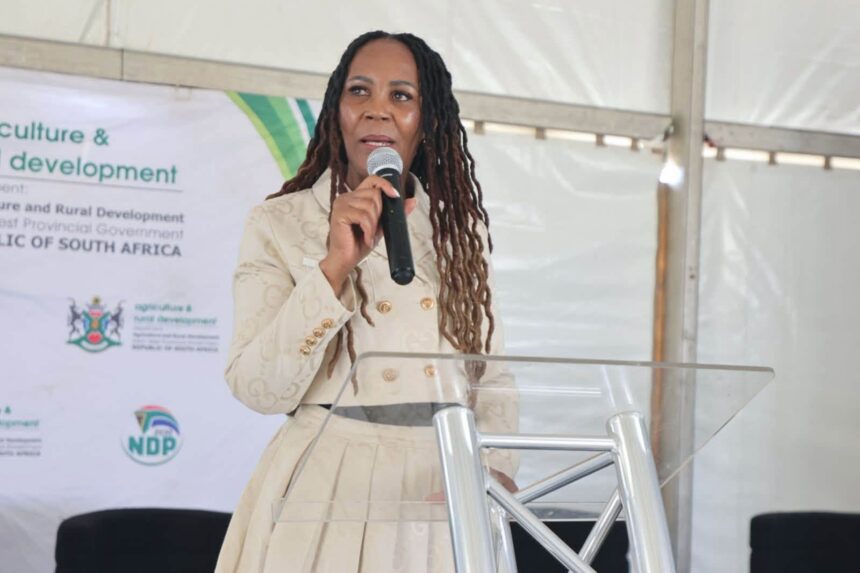
The North West Provincial Women Farmers Dialogue has brought renewed attention to the important role women play in agriculture and rural economic development. The programme created a platform for women farmers and agricultural stakeholders to discuss the challenges and opportunities shaping their participation in the sector. Key areas of discussion included women’s development and empowerment, enterprise development, access to finance, market opportunities, skills development and innovation. The dialogue also recognised the contribution women make across different agricultural activities, including crop production, livestock farming and aquaculture. By bringing these issues together, the event highlighted the need for continued investment in women farmers and stronger support systems that can help them grow sustainable agricultural enterprises.
Women remain important contributors to agricultural production and rural economies, particularly in communities where farming provides food, income and employment opportunities. However, many women farmers continue to face barriers that can limit the growth of their businesses and their ability to participate fully in commercial agriculture. Limited access to finance can make it difficult to purchase equipment, expand production or invest in infrastructure. Access to reliable markets can also determine whether farmers are able to turn production into sustainable income. Discussions such as the North West Provincial Women Farmers Dialogue provide an opportunity to identify these challenges and consider practical ways of creating a more supportive environment for women in agriculture.
Enterprise development was another important focus of the dialogue because agricultural production requires more than the ability to grow crops or raise livestock. Farmers need business management skills, financial planning, marketing knowledge and access to appropriate technologies to build sustainable enterprises. Developing these capabilities can help women farmers move beyond small-scale production and explore opportunities to supply larger markets. Stronger agricultural enterprises can also create employment and stimulate economic activity in rural communities. Supporting women with enterprise development therefore has the potential to benefit individual farmers while contributing to broader rural economic development.
Access to finance remains a key consideration for women who want to expand their agricultural activities. Farming often requires significant upfront investment in land preparation, inputs, irrigation, livestock, equipment, storage and transport. Without appropriate financing, farmers may struggle to increase production or respond to new market opportunities even when they have viable business ideas. Financial support must also be accompanied by information that helps farmers understand available funding options and meet application requirements. Improving access to suitable finance can give women farmers greater capacity to invest in productive assets and build businesses that can operate sustainably.
Markets are equally important because agricultural production only becomes economically valuable when farmers can sell their products at viable prices. Women farmers need access to reliable buyers, market information and supply chains that allow them to reach consumers and commercial customers. Better market access can encourage farmers to increase production while helping them understand what products and quality standards buyers require. It can also reduce the risk of producing crops or livestock without having a clear market for the final product. Strengthening connections between women farmers and markets should therefore remain a central part of agricultural empowerment programmes.
Skills development and innovation can further strengthen the ability of women farmers to respond to changing conditions in agriculture. Modern farming increasingly depends on knowledge about production methods, climate considerations, technology, financial management and market trends. Training can help farmers adopt improved practices while innovation can provide new ways to increase productivity, manage resources and reduce production costs. Digital tools can also help farmers access information, communicate with buyers and manage aspects of their businesses. Providing women with opportunities to develop these skills can improve their competitiveness and support the growth of more resilient agricultural enterprises.
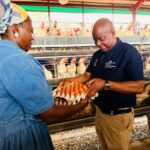
The dialogue also highlighted the impact of women across different areas of agriculture through success stories from women farmers. Stories from crop producers demonstrated how women are contributing to food production and creating agricultural businesses within their communities. Livestock farmers also showed the diverse opportunities available through animal production, from household-level activities to larger commercial enterprises. Aquaculture provided another example of how women are entering and developing businesses in specialised areas of agriculture. These experiences are important because they demonstrate that women can participate successfully across a wide range of agricultural value chains when they have access to the necessary resources and support.
Success stories can also encourage other women to consider agriculture as a viable economic opportunity. Seeing farmers overcome challenges and develop productive enterprises can provide practical examples of what can be achieved through determination, knowledge and access to appropriate support. These stories can also help highlight the specific obstacles that farmers encounter and the strategies they use to address them. Sharing experiences creates opportunities for farmers to learn from one another rather than relying solely on formal training programmes. Building networks among women farmers can therefore complement government and private-sector initiatives aimed at strengthening women’s participation in agriculture.
The focus on empowerment is particularly significant because meaningful participation in agriculture requires women to have the ability to make decisions about their enterprises and access the resources needed to implement those decisions. Empowerment involves more than simply increasing the number of women participating in agricultural programmes. It also requires opportunities to develop skills, access finance, participate in markets and benefit from innovation. Women farmers need support that recognises them as entrepreneurs and producers who can contribute significantly to the agricultural economy. Creating these opportunities can help strengthen household incomes while supporting broader economic activity in rural areas.
The North West Provincial Women Farmers Dialogue also reinforces the importance of collaboration among farmers, government institutions, financial organisations, agricultural stakeholders and other partners. No single intervention can address all the challenges facing women in agriculture. Farmers need coordinated support that connects training with finance, production with markets and innovation with practical agricultural needs. Strong partnerships can help reduce gaps between available programmes and the people who need them. Continued engagement can also ensure that policies and agricultural development initiatives reflect the realities experienced by women farmers on the ground.
The dialogue has provided an important platform for recognising women’s contribution to agriculture while drawing attention to the support required to unlock their full potential. Discussions around empowerment, enterprise development, finance, markets, skills and innovation show that successful agricultural development depends on addressing several interconnected needs. The experiences shared by women involved in crop production, livestock and aquaculture demonstrate the diversity of opportunities available within the agricultural sector. Continued investment in women farmers can strengthen food production, create businesses and support rural economic development across the North West. By turning the ideas discussed at the dialogue into practical opportunities and sustained support, stakeholders can help more women build successful agricultural enterprises and play an even greater role in the future of the province’s economy.
Join 'Farmers Mag' WhatsApp Channel
Get the latest Farming news and tips delivered straight to your WhatsApp
CLICK HERE TO JOIN